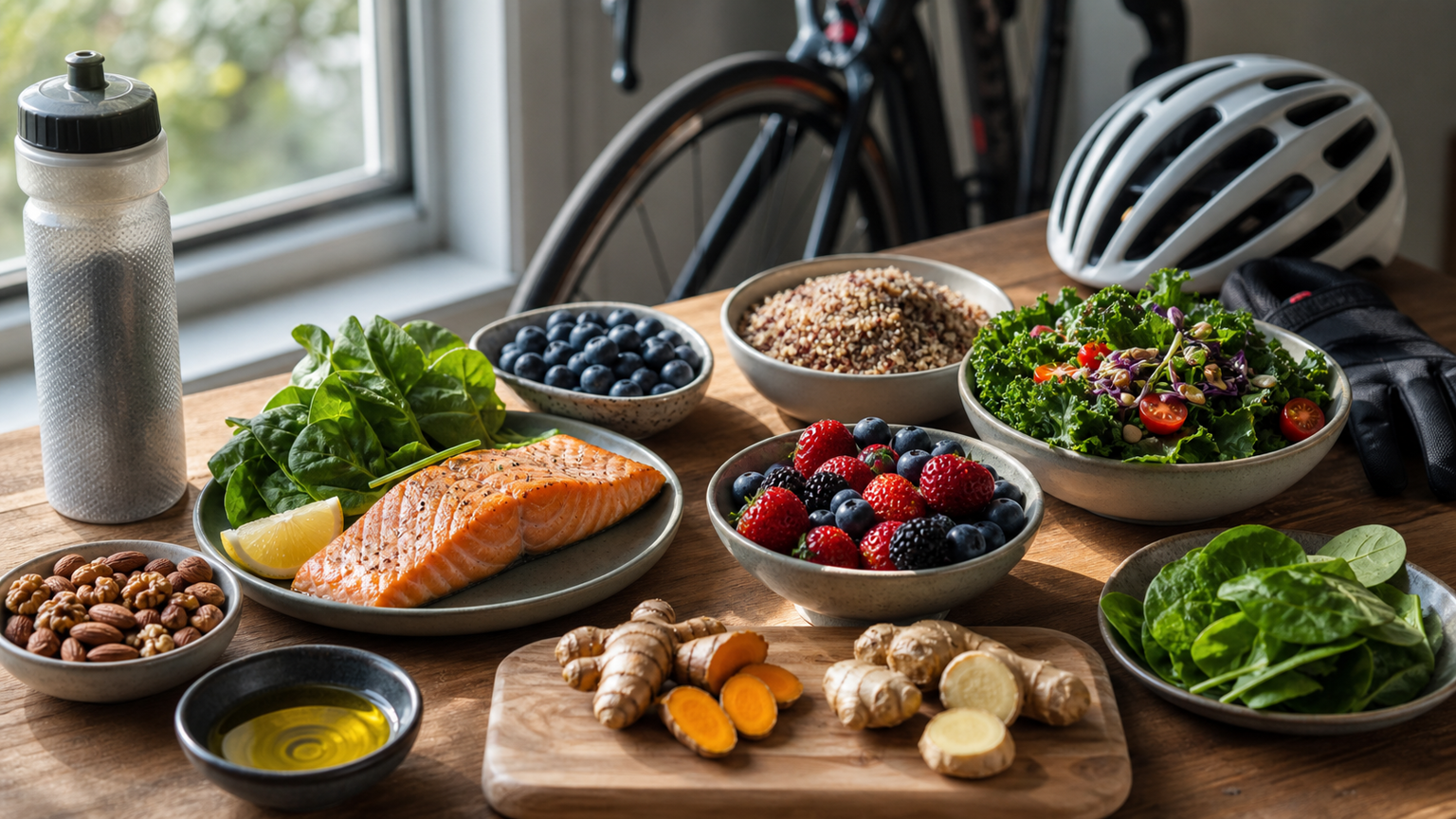
Anti-Inflammatory Diet: Nutrition Strategies to Accelerate Recovery and Reduce Sports Injuries
Cycling training is essentially a cycle of “breakdown and repair”: high-intensity riding causes micro-damage to muscles and an inflammatory response, and the body repairs and strengthens these tissues during recovery, making you stronger. But when the inflammatory response spirals out of control or becomes chronic, it transforms from a driver of adaptation into a killer of performance.
Understanding the Relationship Between Exercise and Inflammation
Acute Inflammation: Your Ally
The acute inflammatory response after training is necessary and beneficial:
- White blood cells migrate to damaged tissue
- Clear away damaged cellular debris
- Release growth factors to promote repair
- Stimulate muscle protein synthesis
- Promote mitochondrial biogenesis
Important Note: This is why it is not recommended to use large doses of non-steroidal anti-inflammatory drugs (NSAIDs, such as ibuprofen) immediately after training—they suppress these beneficial adaptive responses.
Chronic Inflammation: Your Enemy
Problems arise when the inflammatory response persists for days or even weeks without subsiding:
- Persistent muscle soreness
- Prolonged recovery time
- Decreased immune function
- Joint pain and stiffness
- Reduced sleep quality
- Mental fatigue and loss of motivation
Factors that can lead to chronic inflammation:
- Sudden large increases in training volume
- Insufficient recovery (not enough sleep, not enough rest days)
- Long-term high stress
- Poor dietary habits
Pro-Inflammatory Foods vs. Anti-Inflammatory Foods
Pro-Inflammatory Foods to Reduce
| Food Type | Pro-Inflammatory Mechanism | Common Sources |
|---|---|---|
| Refined sugar | Stimulates release of pro-inflammatory cytokines | Sugary drinks, desserts, candy |
| Trans fats | Directly promotes inflammatory pathways | Fried foods, margarine |
| Excess Omega-6 | Converts to pro-inflammatory arachidonic acid | Soybean oil, corn oil, sunflower oil |
| Highly processed foods | Multiple pro-inflammatory additives | Instant noodles, processed meats, snacks |
| Alcohol | Increases intestinal permeability, liver inflammation | Beer, spirits |
Special Attention to the Omega-6 to Omega-3 Ratio:
The Omega-6:Omega-3 ratio in the modern diet is typically 15-20:1, while the ideal ratio should be 2-4:1. This imbalance is a major driver of chronic inflammation.
Powerful Anti-Inflammatory Food List
Omega-3 Fatty Acids
Omega-3 is one of the most potent dietary anti-inflammatory factors. EPA and DHA can directly inhibit the production of pro-inflammatory cytokines (TNF-α, IL-6) and promote the synthesis of anti-inflammatory mediators (Resolvins, Protectins).
Best Sources:
- Salmon (2.2g Omega-3 per 100g)
- Mackerel (2.7g per 100g)
- Pacific saury (2.1g per 100g)
- Sardines (1.5g per 100g)
- Flaxseed (ALA, requires conversion)
- Walnuts (ALA)
Recommended Intake: 2-3 grams of EPA+DHA daily, equivalent to eating deep-sea fish 3-4 times per week.
Polyphenolic Compounds
Polyphenols are natural antioxidant and anti-inflammatory substances found in plants:
Curcumin
- Source: Turmeric
- Mechanism: Inhibits the NF-κB inflammatory pathway
- Usage: Add turmeric to cooking, pair with black pepper (increases absorption by 2000%)
- Supplement dosage: 500-1000mg/day (must be combined with piperine)
Quercetin
- Source: Onions, apples, berries, green tea
- Mechanism: Antioxidant, stabilizes mast cells
- Natural dietary sources are sufficient
Anthocyanins
- Source: Blueberries, cherries, purple grapes, purple sweet potatoes
- Mechanism: Scavenges free radicals, inhibits COX-2
Tart Cherry
Tart cherry is a star ingredient in the sports recovery field:
- 2010 study by Howatson et al.: Marathon runners who consumed tart cherry juice showed significantly reduced inflammatory markers (CRP, IL-6)
- 2018 meta-analysis: Tart cherry effectively reduced post-exercise muscle soreness and strength loss
- Recommended usage: 240ml tart cherry juice, once before and once after exercise
Ginger
- Contains gingerols and shogaols
- Studies show it can reduce post-exercise muscle pain by 25%
- 2-4 grams of fresh ginger daily (about a thumb-sized piece)
- Can be made into ginger tea or added to dishes
Dark Leafy Greens
- Spinach, kale, broccoli
- Rich in vitamin K, folate, carotenoids
- High nitrate content (may improve vascular function)
Anti-Inflammatory Dietary Patterns
Mediterranean Diet: The Gold Standard
The Mediterranean diet is widely considered the best anti-inflammatory dietary pattern:
Core Elements:
- Abundant vegetables and fruits
- Olive oil as the primary fat source
- Fish 2-3 times per week
- Whole grains, legumes, nuts
- Moderate red wine (athletes may omit)
- Limited red meat
A 2018 study on athletes found that those following a Mediterranean diet had 20% lower CRP (C-reactive protein, an inflammatory marker) levels compared to the control group, and reported better subjective recovery.
A Sample One-Day Anti-Inflammatory Diet for Cyclists
Breakfast
- Oatmeal (with cinnamon, turmeric powder, blueberries, walnuts)
- A cup of green tea
Post-Training Recovery
- 240ml tart cherry juice
- Greek yogurt + honey
Lunch
- Grilled salmon + quinoa salad (spinach, avocado, tomato, olive oil lemon dressing)
- Miso soup
Afternoon Snack
- Apple slices + almond butter
- Ginger tea
Dinner
- Turmeric chicken curry (with plenty of vegetables)
- Brown rice
- Chilled seaweed salad
Late-Night Snack
- 2-3 small pieces of dark chocolate (70% or higher)
- A small handful of mixed berries
Anti-Inflammatory Strategies for Specific Situations
High Training Volume Periods
When weekly training volume increases significantly, the inflammatory burden also rises:
- Increase Omega-3 intake to 3-4 grams daily
- Consume tart cherry juice daily
- Include at least one anti-inflammatory food in every meal
- Ensure adequate sleep (7-9 hours)
Injury Recovery Period
The body needs the inflammatory response to initiate repair when injured, but excessive inflammation can delay healing:
- Initial injury phase (days 1-3): Do not overly suppress inflammation (avoid large doses of NSAIDs)
- Repair phase (days 3-14): Gradually increase anti-inflammatory foods
- Remodeling phase (weeks 2-6): Continue high protein + anti-inflammatory diet
- Increase vitamin C (needed for collagen synthesis) and zinc (for immunity and repair)
Dense Race Schedule Period
When races occur for several consecutive weeks:
- Immediately after racing, replenish with tart cherry juice + protein
- Focus recovery-day meals on anti-inflammatory foods
- Avoid alcohol (even celebratory drinks should be moderate)
- Consider short-term curcumin supplementation
Anti-Inflammatory Supplement Recommendations
| Supplement | Recommended Daily Dose | Scientific Support | Notes |
|---|---|---|---|
| Fish oil (EPA+DHA) | 2-3g | Very Strong | Choose third-party tested products |
| Curcumin | 500-1000mg | Strong | Must be paired with black pepper or a fat-soluble carrier |
| Tart cherry extract | 480mg | Strong | Or 240ml tart cherry juice |
| Vitamin D | 1000-2000 IU | Moderate | Maintain serum levels of 40-60 ng/ml |
| Probiotics | Per product | Moderate | Specific strains |
Lifestyle Pillars of Anti-Inflammation
Diet is only part of the anti-inflammatory puzzle. The following factors are equally important:
Sleep
Insufficient sleep (<7 hours) significantly increases inflammatory markers. Studies show that one week of sleeping less than 6 hours raises CRP levels by 25%.
Stress Management
Chronic psychological stress promotes inflammation through cortisol dysregulation. Meditation, breathing exercises, yoga, and similar practices are effective stress management tools.
Training Load Management
Avoid drastic changes in training volume (increase by no more than 10% per week). Schedule adequate recovery days and deload weeks.
Summary
An anti-inflammatory diet is not a trendy weight-loss method, but a long-term nutritional strategy built on solid scientific foundations. The core principles are simple: eat more fish, vegetables, fruits, nuts, and olive oil; eat fewer processed foods and refined sugars. Combined with adequate sleep and a sensible training plan, you will find faster recovery, fewer injuries, and continued progress in your training. Remember: every bite you take today is influencing the quality of your recovery tomorrow.
Related Reading
- Exercise and the Inflammatory Response: Acute Is Beneficial, Chronic Is Harmful—Treat Inflammation as a Training Signal, Not an Enemy
- Anti-Inflammatory Diet for Swimming: Food Choices to Reduce Post-Training Inflammatory Responses
- Anti-Inflammatory Diet for Athletes: A Recovery Project That Starts with a Single Meal
- Inflammatory Responses After Cycling Training: Management Strategies for Acute Inflammation and Chronic Low-Grade Inflammation
CT暗黑廚房) 車友必備 宇宙無敵鮮蚵湯 幫助訓練恢復 天然食補 好市多 超肥鮮蚵 破PR
7 年前
靠單車減肥35公斤 心得分享與整理
7 年前
一日北高/長距離團騎 常見問題補充篇 / 組團或跟團的眉角 / 壯車友容易被瘦車友慢性拉爆 / 原來屁股痛可能是這個原因...? / 風場配速法 / 公路車 / CT Yeh
2 年前
碟煞公路車 銑面器 !? 原來銑完差這麼多! 降低蹭碟機率! | TIME 公路車 保養小記錄 | CT Yeh
3 年前
#公路車 #Fitting 靠人工智慧APP 幫你調整單車
6 年前
摔車後補裝備: 好市多新款單車安全帽& Specialized Romin 北高整路屁股都不痛的坐墊 | 一千元居然有MIPS | CT Yeh | 公路車
4 年前
把帶被我推爛,換新的防推爛款💪 #cycling #公路車 #曜越單車
2 年前
CT 喇低賽) 單車 比賽總是沒照片? 攝影師的觀點大公開 姿勢就是力量! 請加速1.25倍收看
7 年前