How Long Should You Wear Running Shoes Before Replacing Them? Checking Running Shoe Lifespan at 500–800 Kilometers, 7 Signs of Midsole and Outsole Wear, and a Guide to Preventing Injury by Changing Shoes
文章導覽
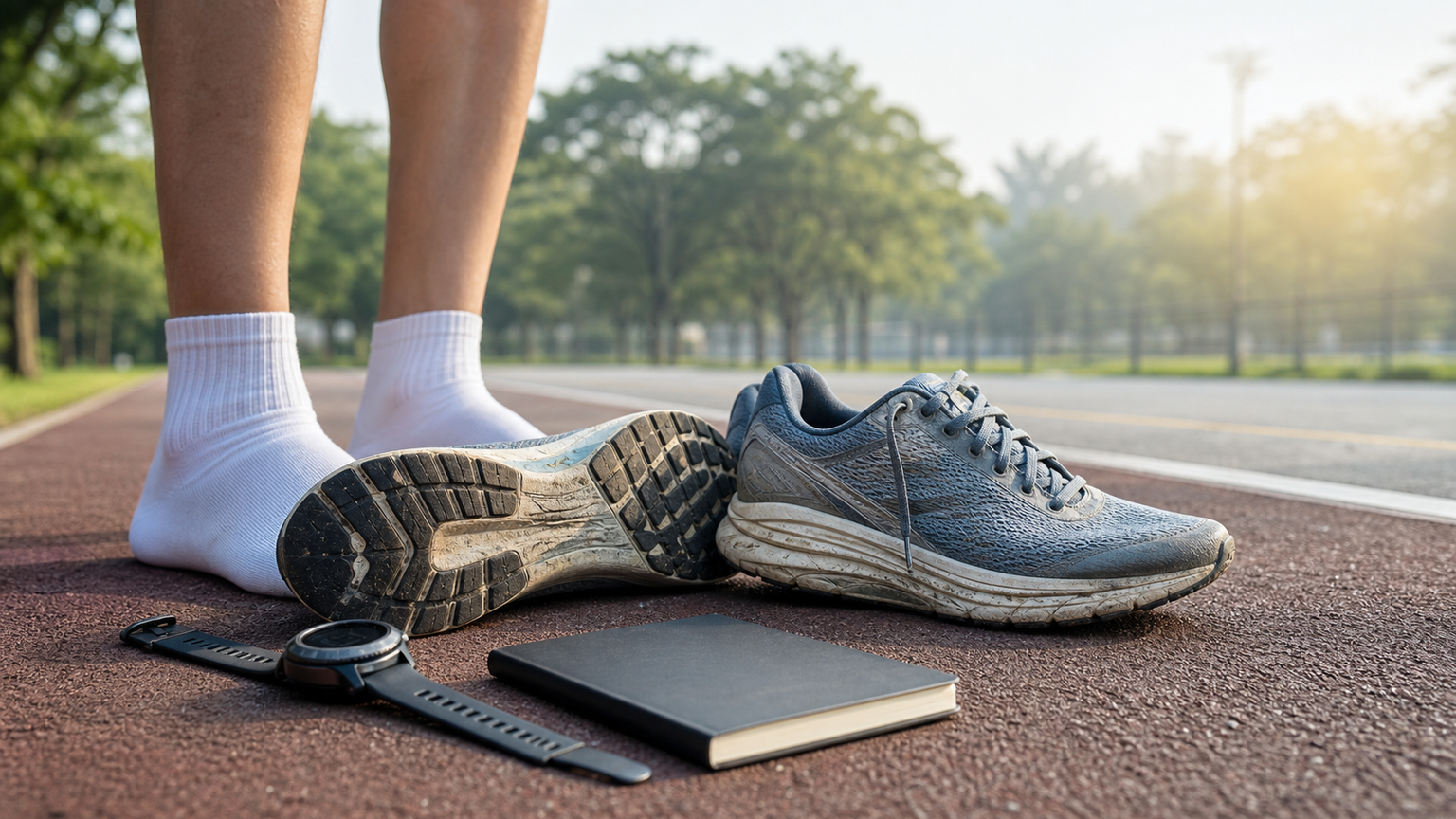
Full Analysis of Running Shoe Lifespan: When to Replace Your Shoes?
How many kilometers have you run in the running shoes you are wearing now? If you can’t answer, this article might save your knees. Studies show that wearing running shoes that have lost their cushioning performance is one of the important risk factors for running injuries. However, many runners only think about replacing their shoes when the soles develop holes. This article will teach you how to manage running shoe lifespan scientifically and replace them at the most appropriate time.
Average Lifespan of Running Shoes
Recommended Mileage
Most running shoe brands and sports medicine experts recommend that the lifespan of a pair of running shoes is about 500-800 kilometers. However, this range is very broad, and the actual lifespan depends on multiple factors:
| Factor | Shortens Lifespan | Extends Lifespan |
|---|---|---|
| Body Weight | Heavier (>80kg) | Lighter (<65kg) |
| Running Surface | Asphalt, Concrete | Grass, PU Track |
| Running Form | Heavy landing, Dragging step | Light, Forefoot landing |
| Climate | High temperature and humidity | Dry and cool |
| Shoe Positioning | Racing lightweight shoes | Daily training shoes |
| Maintenance Method | Improper cleaning, Sun drying | Air drying, Rotational use |
Lifespan of Different Types of Running Shoes
- Daily Training Shoes: 600-900 kilometers (Most durable)
- Tempo Training Shoes: 500-700 kilometers
- Racing Carbon Plate Shoes: 200-400 kilometers (Carbon plate performance degrades quickly)
- Trail Running Shoes: 500-800 kilometers (Outsole wear is the main lifespan limitation)
- Minimalist Running Shoes: 400-600 kilometers (Less material, degrades faster)
7 Signs of Wear That Indicate You Need to Replace Your Shoes
Sign 1: Visible Compression Marks on the Midsole
This is the most intuitive inspection method. Pick up your running shoes and observe the midsole (the foam part between the outsole and upper):
- Normal: The foam surface is smooth, and it rebounds quickly when pressed with your thumb
- Needs Replacement: The foam shows permanent compression marks or wrinkles, and rebounds noticeably slower or harder when pressed
Midsole compression marks mean the foam’s cellular structure has collapsed, and cushioning performance has dropped significantly.
Sign 2: Uneven Outsole Wear
Flip the shoe over and check the rubber wear:
- Slight Wear: Patterns are shallower but still visible — Normal use
- Severe Wear: Rubber is completely worn through in certain areas, exposing the midsole foam — Must replace
- Extremely Uneven: Severe wear on the outer or inner side — May need to adjust running form or choose stability shoes
Sign 3: New Pain in the Body
This is the most important but most often overlooked sign. If you suddenly experience:
- Anterior knee pain
- Anterior tibial discomfort (shin splints)
- Plantar fascia pain
- Hip discomfort
Check your running shoes first. Often, replacing a new pair of shoes can solve the problem.
Sign 4: Noticeable Change in Feel
When running, you feel:
- The previously soft midsole feels “dead hard”
- Your feet are more fatigued after running than before
- Ground impact feels more pronounced
- Soreness in the latter half of long runs appears earlier
These are subjective feelings of midsole performance degradation.
Sign 5: Upper Deformation or Damage
- Holes in the upper mesh
- Heel counter deformed, unable to maintain heel stability
- Tongue shifted or damaged
- Tears around the eyelets
Upper damage affects the shoe’s fit and stability. Even if the midsole still has life, consider replacing it.
Sign 6: Shoe Tilts When Placed on a Flat Surface
Place the running shoes on a horizontal table and observe from behind:
- Normal: Shoes stand upright, heel counter is vertical
- Needs Replacement: Shoes tilt noticeably inward or outward
Tilting indicates that one side of the midsole is compressed more than the other, which changes your running biomechanics and increases injury risk.
Sign 7: Torsion Test Fails
Hold the toe and heel of the shoe and try to twist the shoe:
- New Shoe: Has noticeable torsional resistance
- Needs Replacement: Twists easily like a wet towel
Reduced torsional stability means the shoe cannot provide sufficient structural support.
Scientific Mileage Management
Using Apps to Track
Most running apps have running shoe management features:
- Strava: Add running shoes in “My Equipment” and specify the shoe used for each activity
- Garmin Connect: Set shoe models in equipment management, and the watch will automatically accumulate mileage
- Nike Run Club: Link purchased Nike shoes and track automatically
It is recommended to start looking for new shoes when the shoes reach 80% of the recommended lifespan, leaving time for break-in.
Establishing a Replacement Cycle
For a runner with a weekly mileage of 50 kilometers:
| Shoe Model | Expected Lifespan | Usage Frequency | Expected Replacement Cycle |
|---|---|---|---|
| Daily Training Shoe A | 700km | 60% of mileage | About 23 weeks |
| Daily Training Shoe B | 700km | 25% of mileage | About 56 weeks |
| Racing Shoes | 300km | 10% of mileage | About 60 weeks |
| Recovery Shoes | 800km | 5% of mileage | About 64 weeks |
Recording and Comparing
It is recommended to record the following information in your running log:
- Purchase date and start date for each pair of shoes
- Accumulated mileage (tracked automatically via app)
- Regular subjective feel ratings (1-10 points)
- Any new discomfort symptoms
Tips to Extend Running Shoe Lifespan
Proper Cleaning Methods
- Never put them in the washing machine — This will damage the midsole structure and glue
- Gently brush the upper with warm water and a soft brush
- Remove insoles and clean separately
- Stuff with newspaper to absorb moisture and air dry in a cool, ventilated place
- Never dry or sun dry — High temperatures will accelerate foam degradation
Daily Maintenance
- Take off shoes immediately after running to allow them to ventilate
- Do not use running shoes for non-running activities (gym, daily walking)
- Rotate multiple pairs of shoes to allow foam recovery time
- Avoid placing shoes in extreme high or low temperatures for long periods
- Do not leave running shoes in the car trunk for long periods (high heat)
Disposal of Old Shoes
Retired running shoes do not need to be thrown away directly:
- Downgrade Use: Use as daily walking shoes or gardening shoes
- Recycling Programs: Nike’s Reuse-A-Shoe program, recycling events from various brands
- Donation: Shoes in good condition can be donated to charitable organizations
Conclusion
Running shoes are the most important equipment investment for runners. Timely replacement is not waste, but protection for your body. Develop the habit of tracking running shoe mileage, regularly check for wear signs, and prepare before problems arise. Your knees and feet will thank you.
Related Topics to Read
- How many kilometers to replace running shoes? Tips to extend lifespan
- When to replace road running shoes? Complete guide to judging wear signs and risks of continuing to wear old shoes
- How to extend running shoe lifespan: Complete guide to proper running equipment maintenance
- Equipment maintenance: Proper methods for cleaning running shoes and maintaining watch waterproofing