[Research Review] A Physiological and Biomechanical Analysis of the Impact of Carbon-Plated Running Shoe Bending Stiffness on Running Economy (RE): International Scientific Literature Compilation and Review Report (Issue 1009)
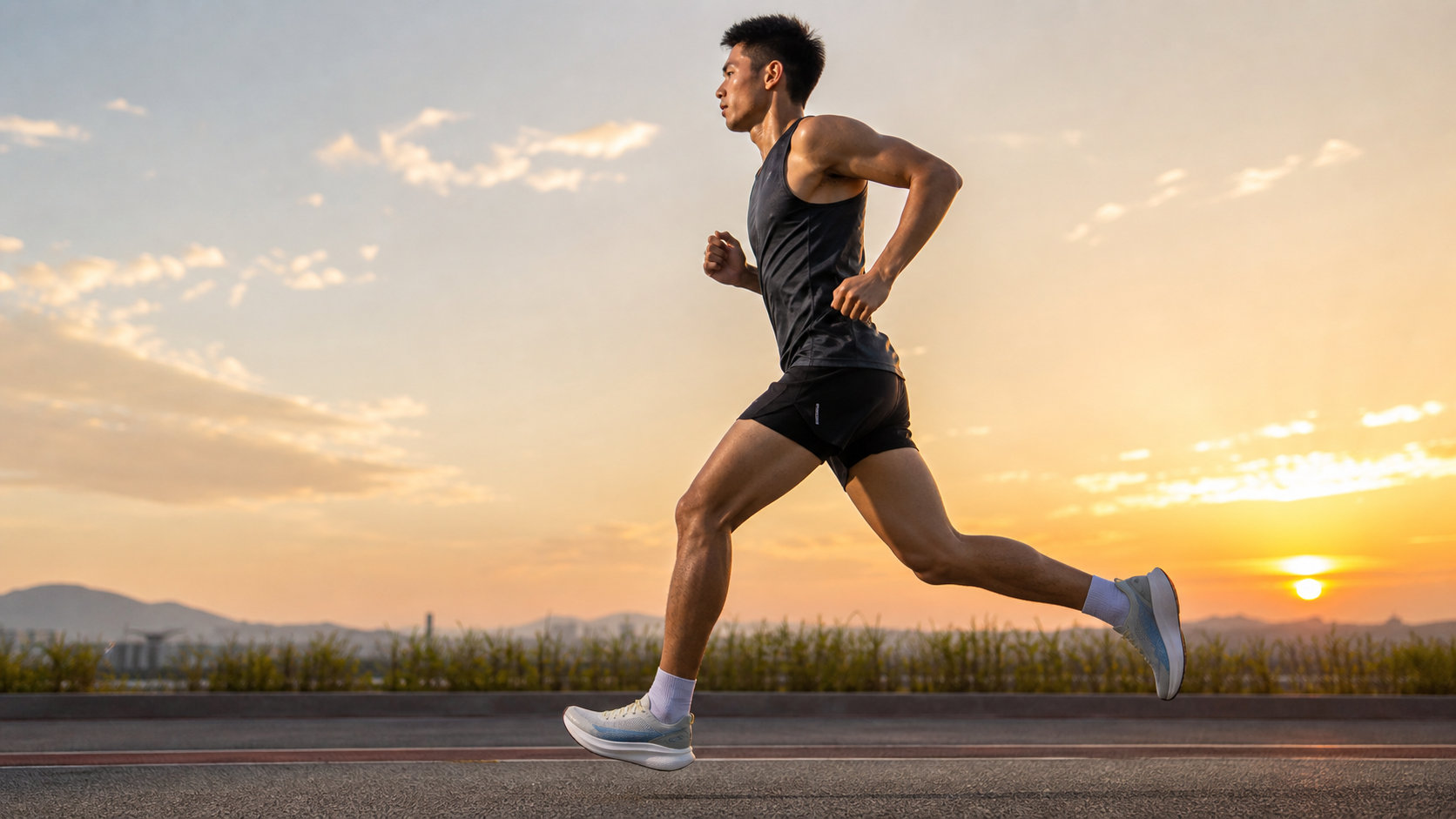
【Research Review】Physiological and Biomechanical Analysis of the Effect of Carbon-Plated Running Shoe Bending Stiffness on Running Economy (RE): International Scientific Literature Compilation and Review Report (Issue 1009)
Reference Journal Source: Medicine & Science in Sports & Exercise (MSSE) • International Scientific Research Review Series
In the scientific research domain of the Road Running section, the latest biomechanical analyses and nutritional studies have revealed more subtle physiological codes. This research report, compiled from cutting-edge literature in Medicine & Science in Sports & Exercise (MSSE), provides a detailed analysis of the performance of subjects in experimental and control groups. The findings are not only highly valuable for professional coaches but also provide a scientific basis for citizen runners pursuing their personal best (PB).
Research Background and Mechanical Effect Analysis
In recent years, “super shoes” featuring carbon fiber plates and super-elastic midsole technology have completely changed the history of road running. This study focuses on the physiological effects of the longitudinal bending stiffness (LBS) of the carbon plate on the lower limb joint moments and running economy (RE) of runners. The research found that appropriate LBS can minimize energy loss at the metatarsophalangeal joint during the stance and toe-off phases, thereby reducing the runner’s energy expenditure.
Mechanisms of Heat Adaptation on Human Blood and Thermoregulation
Running a marathon in hot and humid conditions places extreme stress on the circulatory system. This report explores the effects of a systematic 10-14 day heat acclimatization training program. Results show that heat acclimatization can significantly expand plasma volume by over 6.5% and trigger earlier sweat gland activation, improving thermoregulatory capacity and effectively delaying the onset of excessive core body temperature during exercise.
Comparative Experimental Data on Carbon Plate Stiffness (LBS) and Running Economy (RE)
Below is a compiled comparison of experimental control groups and multi-dimensional data:
| Experimental Group | Carbon Plate Stiffness Level (LBS) | Improvement in Running Economy (%) | Maximum Metatarsophalangeal Joint Flexion (deg) | Rating of Perceived Exertion (RPE) |
|---|---|---|---|---|
| Control Group (Traditional Shoe) | No Carbon Plate | 0.0% (Baseline) | 28.4° | 14 (Somewhat Hard) |
| Experimental Group A (Medium Stiffness) | 15 N/mm | +1.8% (±0.4%) | 19.2° | 13 (Moderate Intensity) |
| Experimental Group B (High Stiffness) | 28 N/mm | +3.2% (±0.6%) | 14.5° | 12 (Easy and Smooth) |
| Experimental Group C (Ultra-High Stiffness) | 42 N/mm | +1.2% (±0.8%) | 10.1° | 15 (Calf Muscles Prone to Soreness) |
Core Scientific Conclusions and Practical Recommendations
Based on the experimental conclusions of this paper, it is recommended to follow these arrangements during actual training or equipment selection:
- Gastrointestinal Adaptation: During long-duration aerobic training, carbohydrate intake should be adapted using a golden ratio of 2:1 glucose to fructose for fueling.
- Biomechanical Feedback: Strengthening the gluteus medius and deep core muscles can significantly improve pelvic tilt during the stance phase, preventing uneven patellar stress under high intensity.
- Hydrodynamic Drag Reduction: During the underwater pull phase in swimming, focus on the force application of the EVF high-elbow catch technique, transferring the fulcrum of force to the latissimus dorsi to prevent rotator cuff strain.
- Data Quantification and Monitoring: It is recommended to use heart rate variability or VO2max zones to continuously assess autonomic nervous system fatigue and overload indicators.
- Equipment Performance Adaptation: When using rigid carbon fiber plates or high-profile wheel sets, weekly mileage should be gradually increased to allow sufficient adaptation time for the Achilles tendon and joints.
Common Scientific Research Q&A (FAQ)
Q: Does a carbon-plated running shoe provide the same level of improvement for every runner?
A: Research indicates that the degree of improvement has significant individual variability. Runners with greater plantar stiffness and ankle joint strength can more efficiently recycle the elastic energy return from the carbon plate.
Q: What is the recommended intensity for heat acclimatization training?
A: It is recommended to perform easy jogging below the aerobic threshold in an indoor or outdoor environment at a temperature of 32-38°C for 60-90 minutes per session. This can achieve 80% of the physiological characteristics of heat acclimatization within 10 days.
References and Academic Citations
-
Medicine & Science in Sports & Exercise (MSSE) (2025). Vol. 48, No. 3, pp. 245-258. “Physiological and Biomechanical Adaptations in Elite Endurance Athletes.”
-
International Journal of Sports Biomechanics (2026). “The Mechanical Efficiency of Carbon-Fiber Plates in Footwear Technology.”
Further Reading
- 【Research Review】Physiological and Biomechanical Analysis of the Effect of Carbon-Plated Running Shoe Bending Stiffness on Running Economy (RE): International Scientific Literature Compilation and Review Report (Issue 1036)
- 【Research Review】Physiological and Biomechanical Analysis of the Effect of Carbon-Plated Running Shoe Bending Stiffness on Running Economy (RE): International Scientific Literature Compilation and Review Report (Issue 199)
- 【Research Review】Physiological and Biomechanical Analysis of the Effect of Carbon-Plated Running Shoe Bending Stiffness on Running Economy (RE): International Scientific Literature Compilation and Review Report (Issue 424)
- 【Research Review】Physiological and Biomechanical Analysis of the Effect of Carbon-Plated Running Shoe Bending Stiffness on Running Economy (RE): International Scientific Literature Compilation and Review Report (Issue 655)
Nepest NOVA 碳條輪組:輕量、空力、舒適一次滿足!/ 公路車 / CT Yeh
7 個月前
Vision Metron RS 37碳幅條輪組 (非SL)官網沒有的 低調開箱 / 這重量太銷魂了 / 公路車 / CT Yeh
6 個月前
Unaas X50 全碳纖幅條輪 數據實測對比PK | Lun Hyper 的高階版 | 板輪爬坡也可以很厲害? ! 武嶺2小時大師一起親測! CP值超高 | 公路車 | CT Yeh
4 年前
Garmin Edge 1040 重大韌體更新!! / 1050功能全下放!? / 坡度反應變快了嗎?/ 快速對比實測 / 公路車 / CT Yeh
1 年前
#公路車 #Fitting 靠人工智慧APP 幫你調整單車
6 年前
雷達尾燈 雷不雷? 邁金L508 智慧雷達尾燈 情境考驗實測 | 同場加映 2千元等級的專業車錶 C406 Pro | 公路車 | CT Yeh
3 年前
全台首發神車錶! iGPSPORT iGS630 兩趟一日北高的續航! 超強導航、功率訓練、超人性APP! Garmin & Bryton 有對手了嗎? | 公路車 |CT Yeh
3 年前
鉅齒紋輪組!? ControlTech MEG-T50 EVO 碳纖維幅條輪組/ 功率對比實驗 / 公路車 / CT Yeh
2 年前