Special Nutritional Needs of Female Athletes: A Complete Coaching Guide to Menstrual Cycle, Iron and Calcium, and Energy Availability
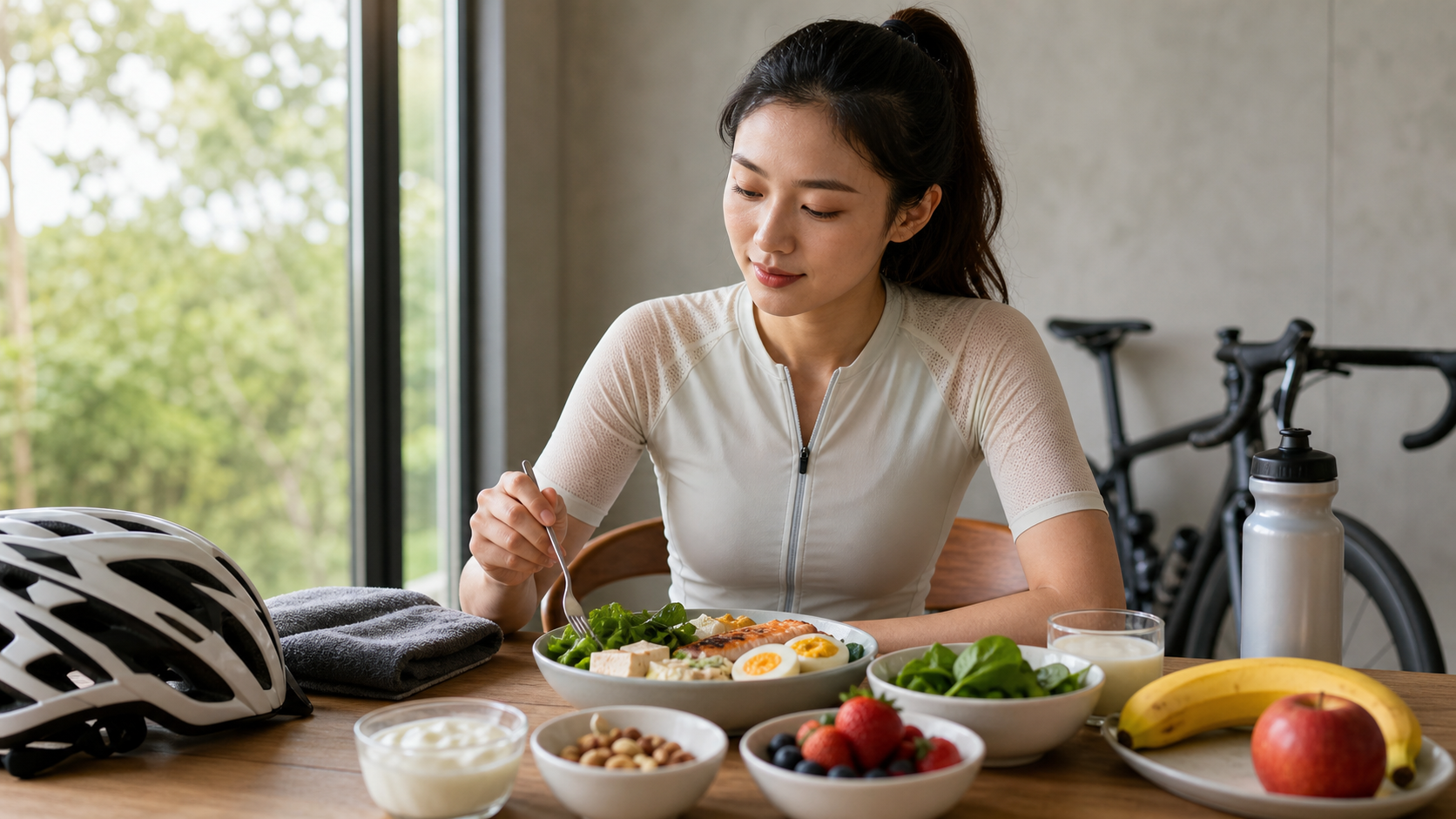
Starting with a Student Who Lost Speed
A few years ago, I coached a female triathlete from a university team—let’s call her Xiao-Jie. She trained so diligently that I had to remind her to rest from time to time. During those three months of winter training, both mileage and intensity were pushed up, and theoretically her power should have risen. Instead, her climbing power went down, not up. Her morning resting heart rate crept from 52 bpm to around 60 bpm, her complexion turned pale, and she often complained of fatigue in the afternoons. But there was one critical signal she never told me—her period had stopped for nearly four months.
That was when I truly realized that coaching female athletes while only looking at training plans and power files means missing an entire piece of what determines success or failure. She wasn’t undertrained—she was undereating, and on top of that, iron-deficient, and her body hit the brakes in the most primitive way possible. Later, we didn’t add more training. Instead, we increased her daily food intake, made up the iron deficit, and re-aligned her training with her menstrual cycle. Three months later, her power came back, and so did her period.
In this article, I want to organize the nutritional insights I’ve accumulated over fifteen years of coaching female athletes. The physiology of female athletes is not “a scaled-down version of men.” The cyclical fluctuations of hormones, the special requirements for iron and calcium, and energy availability—that invisible yet critically important metric—all deserve serious attention. I’ll keep the tone practical and include tables you can use directly. Let me state this upfront: all physiological and nutritional values I give are ranges, not for you to calculate to the decimal point, but to help you find the right direction.
Foundational Concept One: Energy Availability Is the Foundation
If you can remember only one term from this article, I hope it’s “Energy Availability” (EA). It’s the foundation of female sports nutrition. Every other issue—menstruation, iron, calcium, bone health, immunity, mood—is built on top of this foundation.
What Is Energy Availability
Energy availability refers to: the calories you consume, minus the calories you expend through exercise, leaving the remainder available to sustain your body’s basic functions. Its unit is “kcal per kilogram of fat-free mass (FFM).”
The formula looks like this:
Energy Availability (EA) = (Daily Energy Intake − Exercise Energy Expenditure) ÷ Fat-Free Mass (kg)
For example: a female cyclist with 48 kg of fat-free mass eats 2,200 kcal in a day and burns 700 kcal cycling. Her EA would be (2200 − 700) ÷ 48 ≈ 31 kcal/kg FFM. This number tells us that after accounting for exercise, her body has about 31 kcal/kg left to maintain the basic functions of “being alive”—heartbeat, body temperature, hormones, repair, and immunity.
Three Key Thresholds
Research generally identifies three reference ranges, which I’ve organized into a table. A reminder: these thresholds are reference points, not hard rules. Everyone’s endocrine and metabolic responses differ, but the direction is reliable:
| Energy Availability Range | Status | What Happens in the Body |
|---|---|---|
| ≥ 45 kcal/kg FFM/day | Optimal | Hormones, repair, immunity, and bone maintenance all have sufficient fuel |
| 30–45 kcal/kg FFM/day | Suboptimal (gray zone) | Problems may not appear immediately, but chronic low levels slowly accumulate costs |
| < 30 kcal/kg FFM/day | Clinical low energy availability | Even maintaining this for about 5 days can cause endocrine and metabolic abnormalities |
Here’s a commonly misunderstood point: low energy availability does not necessarily come with weight loss. The body is smart—when energy is chronically insufficient, it downshifts metabolic rate, reduces hormone secretion, and cuts back on “non-essential” functions (like reproduction) to maintain body weight even on low intake. So you can’t comfort yourself with “my weight hasn’t dropped.” Xiao-Jie’s weight barely changed back then, but her body was already turning off the lights to save power.
The Chain Reaction of Low Energy Availability: From the Triad to RED-S
In the past, we used the “Female Athlete Triad” to describe this problem, referring to three interconnected issues: low energy availability, menstrual dysfunction, and decreased bone mineral density. These three form a continuous spectrum, not an all-or-nothing situation.
After 2014, the International Olympic Committee proposed a more comprehensive concept called “Relative Energy Deficiency in Sport” (RED-S), emphasizing that low energy availability affects far more than those three items—it impacts the whole body: reduced immunity, poorer gastrointestinal function, cardiovascular and metabolic abnormalities, impaired mood and sleep, slower injury recovery, and stalled training adaptation. In other words, undereating isn’t just about “being thinner”—it’s the entire engine of the machine being dragged down.
I often tell my athletes: “You’re not eating for today’s training; you’re eating for tomorrow’s adaptation.” When energy is insufficient, today’s hard work won’t become progress—it becomes depletion.
How to Self-Check Energy Availability in Daily Life
You don’t need to calculate EA with a calculator every day—that’s not practical. What I teach my athletes is to watch “a few life signals” as traffic lights. If any one of them turns red, it’s time to be alert:
- Menstruation: Is it regular? Has flow suddenly become lighter? (One of the most sensitive energy dashboards for women.)
- Morning resting heart rate: If it drifts upward for several weeks without explanation, the body may be running on empty.
- Body temperature and cold sensitivity: Chronically cold hands and feet, or feeling unusually cold, are common signs of a downshifted metabolism.
- Sleep and mood: Poor sleep, low mood, and irritability are also linked to energy deficiency.
- Wounds and colds: Minor scrapes healing slowly, or catching colds easily, mean repair and immunity are compromised.
- Performance stagnation: When the training plan is followed but nutrition isn’t kept up, power and pace often plateau or even regress first.
After I had Xiao-Jie start measuring her resting heart rate every morning and recording her menstrual cycle and sleep quality, that record itself became her best teaching tool—she saw with her own eyes how much her body data differed between “the weeks she ate enough” and “the weeks she ate poorly while rushing reports.” Turning subjective feelings into trackable records is one of the most valuable habits a female athlete can develop.
The Special Relationship Between Energy Availability and Carbohydrates
Here’s an easily overlooked detail: even if total calories look sufficient, if carbohydrate intake is chronically low, you can still experience hormone and performance issues similar to low energy availability. Recent research increasingly emphasizes the importance of carbohydrate availability for female hormones and training adaptation. In practice, I remind my athletes—especially during high-volume weeks—not to follow the trend of long-term low-carb diets. The staple foods that need to be replenished (rice, noodles, sweet potatoes, potatoes) should be adequate. Carbohydrates aren’t the enemy; they’re the primary fuel for endurance athletes.
Foundational Concept Two: The Menstrual Cycle Is Not the Enemy—It’s Information
Many female athletes initially treat their period as an interference with training, and some even use birth control pills to suppress it entirely so race day stays “clean.” I understand that feeling, but I want everyone to shift perspective: a regular menstrual cycle is an indicator that the body’s energy status is good. It’s information, not an enemy.
When the cycle becomes irregular, flow becomes lighter, or menstruation stops altogether (after ruling out pregnancy and illness), this is often the body calling out to you: energy is insufficient. This is why, when coaching women, I ask them to record their menstrual status as training data as important as power and heart rate.
The Two Main Phases of the Menstrual Cycle and Physiological Changes
The menstrual cycle is broadly divided into two phases, separated by ovulation. The hormonal environment differs between phases, which slightly affects training and nutrition. I’ve organized this into the table below, but I want to emphasize: individual variation is huge, these are trends, not formulas, and ultimately you should rely on your own body’s sensations and records.
| Phase | Approximate Timing | Hormonal Characteristics | Common Physical Sensations | Nutrition & Training Notes |
|---|---|---|---|---|
| Follicular Phase (including menstruation) | Day 1 of menstruation to before ovulation, roughly the first half | Estrogen gradually rises, progesterone is low | Relatively better able to handle high intensity, better pain tolerance | Suitable for scheduling high-intensity sessions; if iron loss is significant during menstruation, pay attention to iron intake |
| Luteal Phase | After ovulation to before the next menstruation, roughly the second half | Progesterone rises, body temperature increases slightly | More prone to fatigue, harder time with thermoregulation, prone to bloating, increased appetite and cravings | During hot weather training, prioritize fluid and electrolyte replacement; carbohydrate needs may increase slightly |
In my experience coaching athletes, many people feel “heavy legs, higher heart rate, and unusually breathless” during the late luteal phase (the few days before menstruation). This doesn’t mean you’re getting weaker; it’s the hormones and body temperature at work. At times like this, I usually don’t force intensity but instead flexibly shift the workout schedule back or switch to aerobic endurance. Scheduling training in sync with your body leads to better long-term progress.
Hydration During the Luteal Phase in Taiwan’s Climate
Let me address a specific local scenario here. Taiwan’s summers are humid and hot; afternoon temperatures in the central and southern regions often exceed 33°C with 70-80% humidity. The luteal phase already makes thermoregulation more challenging, and combined with Taiwan’s humid heat, the risk of dehydration and heat illness compounds. I recommend that during the luteal phase, especially when training in hot, humid weather, proactively increase fluid and electrolyte intake rather than waiting until you’re thirsty. For long-distance cycling or road running, consuming 500–800 ml of an electrolyte-containing drink per hour is a reasonable starting point; the actual amount should be adjusted based on your sweat rate.
Practical Nutrition Adjustments Based on the Cycle
Many athletes ask me, “So what exactly should I eat in each phase?” I want to temper expectations first—the scientific evidence for precisely adjusting nutrition based on the menstrual cycle is still not strong, and individual variation is significant. Don’t treat it as an ironclad rule. However, based on common physiological trends and my coaching experience, some gentle, low-risk adjustments can be made. I’ve organized them into the table below, focusing on “adjusting gently according to your body’s sensations,” not rigidly applying rules:
| Cycle Phase | Common Physical State | Gentle Nutrition Adjustments to Consider | Cautions |
|---|---|---|---|
| Menstruation | Blood loss, possible iron loss, fatigue | Increase iron-rich foods + Vitamin C; reduce training intensity if uncomfortable | If bleeding is exceptionally heavy or pain is severe, seek medical attention—don’t just endure it |
| Follicular Phase | Relatively energetic, tolerates intensity well | Maintain a balanced diet; this phase is better suited for high-intensity and breakthrough sessions | Don’t over-accumulate volume just because you feel good; don’t neglect recovery |
| Around Ovulation | Varies by individual | Maintain consistent intake | Individual variation is large; rely on your own records |
| Luteal Phase | Elevated body temperature, prone to bloating, cravings, fatigue | Slightly increase carbohydrates, boost fluid and electrolyte intake, maintain steady protein intake | Cravings are a normal physiological response; don’t feel excessive guilt or resort to extreme dieting |
I especially want to validate the “cravings” during the luteal phase. Feeling especially hungry in the days before menstruation is a normal physiological response driven by hormones, not a sign of weak willpower. Rather than suppressing intensely and then bingeing, it’s better to gently give your body the energy it’s asking for. I often tell my athletes that allowing yourself to eat a bit more whole-food carbohydrates and protein before your period actually stabilizes your overall dietary pattern better than white-knuckling through it.
Foundational Concept 3: Iron—The Most Common Hidden Gap in Female Athletes
If energy availability is the foundation, then iron is the most problematic load-bearing beam for female athletes. Based on the data I’ve found, up to about one-third of female athletes have iron deficiency, and among adolescent female athletes, the rate may reach around half. This prevalence is too high to ignore.
Why Women Are Especially Prone to Iron Deficiency
The cause is a combination of multiple losses:
- Menstrual loss: Each menstrual period loses approximately 1–5 mg of iron, which accumulates significantly over time.
- Exercise-induced hemolysis: Mechanical impact on the soles of the feet or within blood vessels during running or cycling can rupture red blood cells, leading to iron loss.
- Sweat loss: Heavy sweating carries away trace amounts of iron, which is more pronounced with high training volumes in Taiwan’s humid, hot environment.
- Gastrointestinal micro-bleeding: High-intensity endurance exercise can cause minor bleeding in the gastrointestinal tract.
- Inadequate intake and absorption: Plant-based iron (non-heme iron) has a much lower absorption rate than animal-based iron, putting vegetarian women or those with low protein intake at higher risk.
Recommended Iron Intake
The recommended daily intake of iron for adult women is approximately 18 mg, while adult men only need about 8 mg—a difference of more than double, primarily due to menstrual losses. For female endurance athletes, 18 mg is a reasonable starting point; those with particularly high training volumes or known low iron levels often need more—but how much to supplement and whether to take oral iron supplements must be determined by blood test data and medical professionals. Don’t self-supplement, as iron overload is also toxic.
Practical Iron Intake Table
This table summarizes the iron content and absorption characteristics of common foods so you know how to structure your diet. Values are approximate ranges and are for dietary planning reference only:
| Food Source | Type of Iron | Absorption Characteristics | Coach’s Notes |
|---|---|---|---|
| Red meat (beef, lamb) | Heme iron | High absorption rate | Beef noodle soup and braised pork rice are convenient sources when eating out in Taiwan |
| Animal liver, pork blood | Heme iron | High absorption rate | Pork blood soup and spicy duck blood are easily available in Taiwan and rich in iron |
| Clams, oysters | Heme iron | High absorption rate | Clam soup and oyster omelets provide both iron and protein |
| Dark leafy greens (spinach, sweet potato leaves) | Non-heme iron | Lower absorption rate | Pair with Vitamin C to enhance absorption |
| Legumes, black fungus, red beans | Non-heme iron | Lower absorption rate | Primary sources for vegetarians; need deliberate pairing |
Two Keys to Absorption: Pairing and Avoiding
Eating iron-rich foods alone isn’t enough; you also need to consider absorption. In practice, I ask my athletes to remember two things:
- Pair with Vitamin C: Non-heme iron paired with Vitamin C (guava, citrus, tomatoes) significantly enhances absorption. Spinach with a guava is far more effective than spinach alone.
- Avoid inhibitors: Tannins in tea and coffee inhibit iron absorption. Many Taiwanese people enjoy a hand-shaken drink or coffee after meals; I recommend waiting at least one hour before or after an iron-containing meal before consuming these. Calcium supplements also compete with iron absorption, so it’s best to take them at separate times.
How to Check Iron Status in Taiwan
Taiwan’s accessible healthcare and high NHI coverage are our advantages. If you experience chronic fatigue, declining performance, pale complexion, and heavy menstrual flow, I recommend directly scheduling an appointment with a family medicine or sports medicine clinic to have blood drawn to check hemoglobin (Hb) and serum ferritin. Normal hemoglobin doesn’t mean iron stores are sufficient; ferritin reflects stored iron. Even without anemia, low ferritin in athletes can impair performance. Leave the interpretation to your physician—don’t draw conclusions from the numbers yourself or self-supplement with iron.
The Three Stages of Iron Deficiency
Many people assume “iron deficiency equals anemia,” but iron depletion occurs in stages, with anemia being the final stage. Understanding this is crucial for athletes because your performance can already be compromised before you become anemic and while your hemoglobin is still normal.
- Stored iron depletion: Ferritin (stored iron) begins to decline while hemoglobin remains normal. You might only feel slightly more tired than usual or notice slower recovery. This stage is the most easily overlooked, yet it can already affect training adaptation.
- Iron deficiency without anemia: Stores are nearly depleted, red blood cell production becomes strained, and hemoglobin remains at the low end of normal. Declining performance, easy breathlessness, and slowing pace often become noticeable at this stage.
- Iron deficiency anemia: Hemoglobin is clearly low, oxygen-carrying capacity decreases, and fatigue, pale complexion, and significantly reduced exercise tolerance set in.
This is why I always emphasize that athletes should monitor ferritin, not just hemoglobin. Waiting until hemoglobin drops to address the issue often means losing months of training. Of course, how to interpret ferritin and what threshold warrants intervention should be determined by a physician based on your overall condition, as ferritin can also be affected by factors like inflammation.
A Case Study of an Iron-Deficient Athlete
Let me share another case. I coached a marathon runner, A-Rong. Her training volume wasn’t extreme, but she felt “stiff while running, had a higher heart rate, and recovered slowly” all season. She thought she wasn’t trying hard enough and wanted to add more training. I stopped her and asked her to see a doctor for a blood test first. The results showed her hemoglobin was at the low end of normal, but her ferritin was low—a classic case of “iron deficiency without anemia.”
After the doctor’s assessment and treatment plan, we also adjusted her diet: one serving of red meat or pig’s blood soup daily, dark leafy greens paired with guava, and moving her usual post-meal sugary drink to two hours after eating. About two to three months later, her follow-up blood work improved, the “stiff” feeling while running disappeared, and her pace naturally returned. Note: The key step was seeing a doctor for a blood test, not me or her supplementing iron based on how we felt. This order cannot be reversed.
Foundational Concept 4: Calcium and Bone Health—Deposit Now, Withdraw Later
Bone health for female athletes is like a “long-term fixed deposit.” If you build enough bone mass when you’re young, you’ll have the capital for middle and old age. The problem is that the low energy availability and menstrual dysfunction discussed earlier directly erode this deposit.
Estrogen is a crucial hormone for protecting bone. When energy deficiency causes estrogen levels to drop, leading to menstrual dysfunction or even amenorrhea, bone loss accelerates. This is why the Female Athlete Triad links “low energy availability, menstrual dysfunction, and low bone mineral density”—they are three beads on the same causal chain. I’ve seen female endurance athletes under thirty with bone density like menopausal women; it’s the cumulative result of years of under-eating and ignoring the warning signs from their menstrual cycles.
Practical Advice on Calcium and Vitamin D
For calcium to be used by the body, vitamin D is the key partner. Although Taiwan has plenty of sunshine, many people are diligent about sun protection and spend long hours indoors, so vitamin D deficiency is actually not uncommon. Here are consolidated dietary and lifestyle recommendations:
| Item | Practical Advice | Local Taiwan Reminder |
|---|---|---|
| Calcium Food Sources | Dairy, dried small fish, dried tofu, dark leafy greens, black sesame | A cup of unsweetened fresh milk or unsweetened soy milk at breakfast is a simple start |
| Vitamin D | Moderate sun exposure, fatty fish, egg yolks | A few times a week, exposing arms and calves for ten-plus minutes is enough; avoid midday sun exposure |
| Supplements | Consider only if dietary intake is insufficient, and dosage needs professional assessment | Don’t self-administer high doses of vitamin D; overdose has risks |
| Weight-Bearing Exercise | Running, jumping, strength training help stimulate bone | Cycling alone is non-weight-bearing; schedule strength training weekly to compensate |
I want to specifically remind female cyclists who only ride: cycling is a non-weight-bearing exercise, and its effect on stimulating bone is less than running, jumping, or weight training. I usually ask female athletes who only ride to schedule at least 1–2 strength training sessions per week (squats, deadlifts, jumping movements), which both protects bone and makes pedaling more powerful.
Practical Method: A Sample Day of Integrated Nutrition and Training
After all this theory, here’s something you can use directly. Below is a daily nutrition framework I often give to “moderate-training-volume female cyclists,” assuming a fat-free mass of about 48 kg and a 90-minute moderate-intensity ride that day. The numbers are directional examples, not a prescription; actual portions should be adjusted based on your body size, training volume, and how you feel:
| Time | Key Content | Purpose |
|---|---|---|
| 1–2 hours pre-training | Carb-focused + small amount of protein (e.g., sweet potato with egg, toast with peanut butter) | Top off glycogen, avoid training on an empty stomach |
| During training (>75 min) | 30–60 g carbs per hour + electrolyte drink | Maintain blood sugar, delay fatigue, prevent dehydration in hot/humid weather |
| 30–60 minutes post-training | Carbs + protein (e.g., chocolate milk, chicken rice) | Replenish glycogen, kickstart repair, don’t let the energy deficit linger |
| Main meals | Adequate staples + quality protein + iron-rich vegetables + vitamin C fruit | Meet total daily energy needs, support iron absorption |
| Before bed | A calcium-containing protein option as needed (unsweetened yogurt, milk) | Supplement calcium, support overnight repair |
The meal I want to emphasize most is the post-training meal. Many women are afraid to eat after training, worried it will undo their efforts, so they stretch the energy deficit longer and longer, staying hungry until dinner. This is the breeding ground for low energy availability. Refueling promptly after exercise isn’t breaking the rules; it’s investing in tomorrow’s adaptation.
Common Mistakes and Corrections
Having coached so many athletes, I’ve compiled the most common and performance-damaging mistakes, along with directions for correction:
Mistake 1: Chronically Under-Eating in the Name of “Being Light”
The endurance world is full of the myth that “being lighter makes you faster on climbs,” leading many women to chronically restrict intake. It might make you lighter and faster short-term, but long-term it leads to low energy availability, stagnant power, lost periods, and bone loss. Correction: Separate weight management from training phases. Weight loss should be gradual and time-bound, and never aggressively pursued during high-volume training. Weight isn’t the only metric; power, heart rate variability, menstrual regularity, and sleep quality all need to be monitored.
Mistake 2: Treating Amenorrhea as a “Badge of Honor” for Hard Training
I’ve had athletes who thought losing their period meant they were training hard enough, and were even a bit proud. This is a dangerous misunderstanding. After ruling out pregnancy and other medical conditions, exercise-related amenorrhea is an alarm that the body is severely energy-deficient, not a badge of honor. Correction: If your period becomes irregular or stops for several consecutive months, the priority isn’t adding more training—it’s increasing food intake, reducing training stress, and seeking medical evaluation.
Mistake 3: Self-Supplementing Iron Based on Online Information
Iron deficiency is common, but iron overload is also toxic and can damage the liver and gastrointestinal tract. Correction: If you suspect iron deficiency, get a blood test first. The type, dosage, and course of iron supplements should be left to a doctor. Medical access is convenient in Taiwan; don’t skip this step.
Mistake 4: Only Cycling and Doing No Strength Training
Cycling alone has limited benefit for bone protection, and women are a bone-risk group. Correction: Schedule strength training regularly each week, especially weight-bearing and jumping movements.
Mistake 5: Giving Up on Eating Well as a Regular Diner
Taiwan makes eating out convenient, but many people feel “I can’t eat healthy when eating out” and just give up. That’s not true. Correction: Add an extra serving of blanched vegetables to your bento, choose pig’s blood soup or clam soup for iron, switch drinks to unsweetened and space them an hour away from meals, and pick tea eggs and unsweetened soy milk from convenience stores as snacks. You can still eat smart when eating out.
Actionable Advice for Readers at Different Levels
Everyone starts from a different point, so I’ve divided the advice into three levels. Find where you fit:
Beginner Enthusiasts
- First, build the mindset of “eating enough”; don’t rush to lose weight. Eat more on training days than rest days.
- Start tracking your menstrual cycle and treat it as a health indicator.
- Aim for protein, iron-rich foods, and fruits/vegetables at every meal.
- Schedule 1–2 strength training sessions per week.
- If you have persistent fatigue or menstrual irregularities, see a doctor—don’t self-diagnose.
Intermediate Athletes with Regular Training
- Learn to estimate energy needs on heavy training days to ensure energy availability doesn’t chronically fall below 30 kcal/kg FFM.
- Build the habit of consuming carbs plus protein within 30–60 minutes after training.
- Proactively pair vitamin C to enhance iron absorption, and avoid tea, coffee, and calcium supplements with iron-rich meals.
- Flexibly schedule training around your menstrual cycle, and increase hydration on hot days during the luteal phase.
- Get blood work at least once a year to check ferritin and hemoglobin.
Advanced / Race-Oriented Athletes
- Incorporate energy availability, iron status, and bone health into annual monitoring, building a team with your coach, doctor, and nutritionist.
- Plan cutback phases precisely with clear time limits; never aggressively cut weight during high-volume pre-race training.
- Customize race-season fueling strategies (pre-race glycogen loading, hourly carbs during the race, post-race recovery) based on your individual sweat rate and gut tolerance.
- Address any abnormal signs related to your period, fatigue, or injury early with medical help and adjustments—don’t wait until just before a race to deal with a crisis.
FAQ
Q: If birth control pills regulate my period, does that mean my energy is sufficient?
A: Not necessarily. Birth control pills are exogenous hormones that create the illusion of “regular bleeding,” but this does not mean your body’s energy status is healthy—in fact, it may mask warning signs of low energy availability. This should be discussed with your OB-GYN, not treated as a solution to a nutritional problem.
Q: I’m vegetarian—does that mean my iron intake is definitely insufficient?
A: Not necessarily, but the risk is indeed higher because plant-based iron has lower absorption rates. Vegetarians need to plan more deliberately: eat more legumes, dark leafy greens, and black fungus, pair them with vitamin C, and avoid drinking tea or coffee immediately after meals. Regular blood tests to track iron status are especially important.
Q: Can I train during my period?
A: Yes. Menstruation itself is not a training contraindication—many people can actually handle higher intensity during the follicular phase (including menstruation). The key is to listen to your body: lower intensity if you feel unwell, prioritize iron supplementation if iron loss is significant, and neither push through nor stay completely inactive.
Q: My weight hasn’t dropped, so I probably don’t have an energy deficiency, right?
A: This is the most dangerous misconception. Your body can maintain weight by down-regulating metabolism, so a stable weight can absolutely coexist with chronic low energy availability. What matters is looking at the overall signals: menstrual cycle, fatigue, power output, heart rate, sleep, and mood—not just staring at the scale.
Q: Do female athletes who are menopausal or post-menopausal have the same nutritional priorities?
A: The general direction is similar, but after menopause, estrogen declines and the risk of bone loss increases, making calcium, vitamin D, and weight-bearing/strength training even more important. At the same time, iron needs typically decrease since there’s no longer menstrual loss. This population varies greatly between individuals, so it’s recommended to discuss personalized plans with a physician and dietitian rather than directly applying advice meant for younger athletes.
Q: I’m afraid of gaining weight, and the thought of “eating more” makes me anxious. What should I do?
A: This anxiety is real and very common—please don’t blame yourself. If concerns about eating, weight, or body image are already affecting your life and eating behaviors, this may be more than just a nutritional issue and may require psychological and medical support. Taiwan has relevant clinics and professional resources; seeking help is courageous, not weak. Athletic performance and health should never be bought at the cost of harming your body and mind.
Q: Do women need to choose specially among commercial sports supplements, energy gels, and electrolyte tablets?
A: The basic principles are the same for men and women—for training or racing lasting a long time (typically over 60–75 minutes) or in hot, humid conditions, timely carbohydrate and electrolyte intake is reasonable. The key selection criteria are gastrointestinal tolerance and taste, which require repeated testing during training—never try a new product for the first time on race day. As for supplements specifically marketed toward women, most are unnecessary; getting your foundational diet right matters far more than buying expensive supplements.
Quick Reference Table: Three Core Pillars at a Glance
There’s a lot of information here, so I’ve condensed the three core pillars into a quick-reference table for you to save and review:
| Pillar | Core Concept | Most Common Mistake | One Thing You Can Do Right Now |
|---|---|---|---|
| Energy Availability | After subtracting exercise expenditure from intake, leave enough for your body to function | Using stable weight to reassure yourself that everything is fine | Start tracking your period, morning resting heart rate, and sleep |
| Menstrual Cycle | A regular period is the dashboard of energy and health | Treating amenorrhea as a badge of training achievement | Treat menstrual status as data on par with power output |
| Iron and Calcium | Women lose more and need more—these are long-term assets | Self-supplementing iron based on guesswork; only cycling without strength training | Schedule a blood test + 1–2 strength training sessions per week |
Conclusion: Treat Your Body as a Teammate, Not an Opponent
In fifteen years of working with female athletes, my deepest insight is this: a woman’s physiology is not a problem to be “overcome,” but a teammate to work with. The menstrual cycle gives you information, energy availability gives you a foundation, and iron and calcium are your long-term assets. When you eat, train, and rest in tune with your body’s rhythm, your performance will naturally rise; when you fight against your body—eating too little, ignoring your period, depleting iron and bone density—there may be short-term illusions, but the long-term consequences will always catch up.
Xiaojie not only got her power output back to its peak but also finished her first triathlon. What changed wasn’t her training plan—it was that she began treating “eating enough, taking care of iron, and respecting her cycle” as part of her training. I hope this article can help more women walk the same path: train smart, and live healthy.
If after reading this you think you might be showing some warning signs—irregular periods, chronic fatigue, dropping pace, poor complexion—please take it seriously and seek medical attention and adjustments early. In Taiwan, seeing a doctor is convenient; that’s our advantage, so don’t waste it.
This article is educational content and cannot replace individual diagnosis and treatment advice from a physician, physical therapist, or dietitian. If you are dealing with menstrual disorders, anemia, osteoporosis, or any medical condition, be sure to seek professional individualized evaluation—never self-diagnose or self-supplement with medications or supplements.
References
- Female Athlete Triad and Relative Energy Deficiency in Sport (REDs): Nutritional Management, NCBI PMC — https://www.ncbi.nlm.nih.gov/pmc/articles/PMC10857508/
- The Female Athlete Triad / Relative Energy Deficiency in Sports (RED-S), NCBI PMC — https://pmc.ncbi.nlm.nih.gov/articles/PMC10304901/
- Iron Deficiency: An Under-Recognized Condition in Female Athletes, Cleveland Clinic — https://consultqd.clevelandclinic.org/iron-deficiency-an-under-recognized-condition-in-female-athletes
- Iron and the female athlete: a review of dietary treatment methods, NCBI PMC — https://pmc.ncbi.nlm.nih.gov/articles/PMC4596414/
- Energy Availability in Athletics: Health, Performance, and Physique, International Journal of Sport Nutrition and Exercise Metabolism — https://journals.humankinetics.com/view/journals/ijsnem/29/2/article-p152.xml
Related Reading
- Training Considerations for Female Triathletes: Menstrual Cycle and Energy Availability
- The Science of the Cycle for Female Triathletes: A Practical Guide to Menstruation, Birth Control, and Training Adjustments
- Iron Nutrition: The Most Overlooked Key Micronutrient for Endurance Athletes
- Daily Management of Energy Availability for Female Endurance Athletes: Turning “Eating Enough” into an Executable Training Discipline
西進武嶺 免費訓練分析服務 Intervals | 練不夠還是練過頭?你哪一種類型選手?AI模型告訴你! | 備戰神器 | 公路車 訓練 | CT Yeh
4 年前
CT暗黑廚房) 車友必備 宇宙無敵鮮蚵湯 幫助訓練恢復 天然食補 好市多 超肥鮮蚵 破PR
7 年前
靠單車減肥35公斤 心得分享與整理
7 年前
單車AI教練!全新 ChatGPT4o 幫你分析訓練成果!排武嶺課表,分析騎車姿勢! 太神了! / 公路車 / CT Yeh / feat. 緯緯
2 年前
FTL 與 SYB 車隊專訪 西進武嶺 實用攻略分享! 2小時 如何練?!你不知道的眉角!新手準備武嶺必看 EP1 | 實力派女車友 | 精華版 | 公路車 | CTYeh
4 年前
CT趣訪 西進武嶺 2小時組 EP2 全村的希望 蔣緯緯! 訓練菜單&技巧公開 |公路車 |CT Yeh
4 年前
西進武嶺 自製新版AI配速表產生器 x 賽前攻略 抱佛腳! 沒有功率計也可以產生配速表嗎?有什麼其他眉角賽前要注意的呢? | 西進武嶺 / 東進武嶺 KOM 攻略 | 公路車 | CT Yeh
4 年前
一日北高/長距離團騎 常見問題補充篇 / 組團或跟團的眉角 / 壯車友容易被瘦車友慢性拉爆 / 原來屁股痛可能是這個原因...? / 風場配速法 / 公路車 / CT Yeh
2 年前