Exercise and Cancer: From Prevention to Recovery — A Sports Science Consultant's Practical Prescription and Training Plans
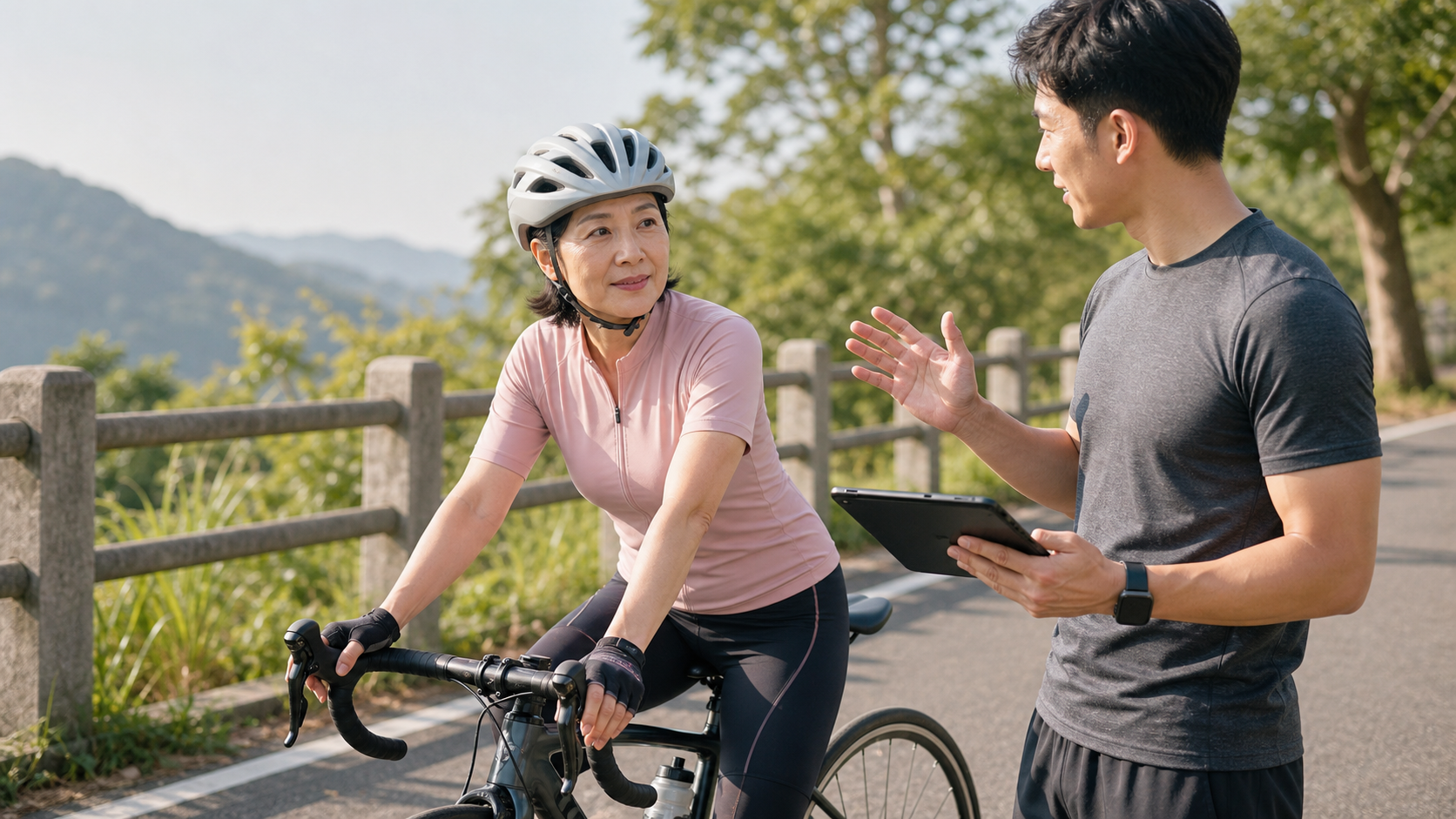
Opening: The Breast Cancer Trainee Who Was Afraid of Hills
I’ve been coaching for nearly fifteen years, working with athletes at all levels, office workers, and retired seniors. But a few cases stay with you.
A few years ago, a woman in her early fifties (let’s call her Sister A) came to see me six months after finishing breast cancer surgery and chemotherapy. She had been a well-known cycling enthusiast in her community, riding Yangmingshan and Fengguizui every week. After treatment, she sat in front of me, and her first words were: “Coach, can I still ride? I get winded just walking to the corner store, and I’m so tired I want to cry.”
That fatigue isn’t the tiredness of a sleepless night—it’s cancer-related fatigue, a bone-deep exhaustion that no amount of sleep can fix. Sister A wasn’t just afraid of her physical limits; she was afraid of a mental barrier: she feared exercise would be “too much,” would make her body worse, would bring the cancer back.
I completely understand that fear. But looking at the scientific evidence accumulated over the years, the answer is increasingly clear: for the vast majority of people in cancer prevention and cancer survivors, regular, moderate, individualized exercise is not a contraindication—it’s one of the most underrated “prescriptions” available. But how to write that prescription, what dosage, and when to pump the brakes—that’s something you need someone to help you get right.
In this article, I want to share what I’ve accumulated from coaching trainees and reading the literature, explained in a coach’s voice. It won’t replace your doctor, physical therapist, or dietitian, but I hope it gives you a bit more confidence at your next follow-up appointment, or the next time you hesitate about whether to get out and move.
Let me say the most important thing first: any cancer-related exercise plan must first be discussed with and approved by your primary care team, and adjusted to your individual situation. This is educational content, not a substitute for your own medical care.
1. Concepts and Scientific Foundation: What Exercise Actually Does in the Body
1. Exercise and “Reducing Cancer Risk”
Let’s start with prevention. At the population level, regular physical activity is associated with a lower risk of developing several types of cancer. Evidence compiled by international public health agencies (such as the US CDC and Cancer Research UK) shows that people who are more physically active have a lower risk of several cancers, commonly including colorectal (colon) cancer, breast cancer, endometrial cancer, esophageal cancer, kidney cancer, bladder cancer, stomach cancer, and lung cancer.
To be completely honest: most of these are associations from observational studies, so we can’t simply interpret them as “exercise guarantees cancer prevention.” But the associations are consistent, repeated across populations, and biologically plausible, which is why mainstream guidelines generally list “regular physical activity” as one of the lifestyle recommendations for reducing overall cancer risk.
What mechanisms might explain how exercise lowers risk? The directions commonly cited in the literature (giving ranges, not false precision) include:
- Hormone regulation: Lowering elevated levels of estrogen, insulin, and related growth factors, which is particularly relevant to hormone-related cancers like breast and endometrial cancer.
- Improved body composition: Reducing obesity and abdominal (visceral) fat. Obesity itself is a risk factor for many cancers, and exercise works indirectly through weight and waist circumference control.
- Improved insulin sensitivity and reduced chronic inflammation: Long-term high insulin and chronic low-grade inflammation are thought to be related to the tumor microenvironment.
- Possible immune modulation: The mobilization and circulation changes of immune cells during exercise are thought to potentially play a role in inhibiting tumor growth, but human evidence in this area is still accumulating, so we shouldn’t overstate it.
- Improved gut and metabolic environment: Regular exercise supports bowel motility and metabolic health, which is often linked to discussions of colorectal cancer risk, but again, this should be understood as “reasonable in broad direction” rather than a precise causal dose-response relationship.
I often use this analogy with trainees: these mechanisms aren’t independent switches; they’re a whole interconnected web. You can’t point to one and say “that’s what saved me,” but when you push weight, metabolism, inflammation, hormones, and immunity all in a better direction at once, the overall risk balance slowly tips. That’s why I don’t like to describe exercise as a “miracle cancer cure”—it’s more like tuning your entire body environment in your favor, with effects that are comprehensive and gradual rather than dramatic.
2. Exercise During “Active Treatment” and “Recovery”
This is the scenario I actually deal with more often. In the past, people feared that “when you’re sick, you should rest more,” but evidence over the last decade or so has flipped that intuition.
In 2022, the American Society of Clinical Oncology (ASCO) published guidelines on exercise, diet, and weight management for adults undergoing cancer treatment, compiling data from more than one hundred clinical trials. The core messages are:
- Exercise interventions during treatment can reduce cancer-related fatigue and help maintain cardiorespiratory fitness, physical function, and muscle strength; in some populations, it can also improve quality of life and reduce anxiety and depression.
- The risk of adverse events from exercise during treatment is low (provided it’s appropriately supervised and individualized).
- As for whether exercise can directly improve survival during treatment or reduce recurrence, the current evidence is insufficient to draw conclusions, and the guidelines do not use this as the primary reason for recommending exercise.
In other words: we have solid reasons to say “exercise helps you live better (quality of life, physical capacity, mood),” but regarding “exercise helps you live longer,” we need to be conservative during treatment—that’s the honest scientific stance, and it’s where I hold myself to not overstating.
Additionally, in groups like early-stage breast cancer, colorectal cancer, and prostate cancer, consistent observational evidence shows that maintaining physical activity after diagnosis is associated with lower cancer-specific and all-cause mortality. Again, this is association, not causal guarantee, but the direction is consistent and clinically encouraged.
3. A Myth That Must Be Clarified
Many trainees (and family members) ask me: “Won’t exercise wear down my immune system and give cancer cells an opening?”
My answer: we’re talking about moderate, regular, progressive exercise, not pushing yourself to the brink in extreme training. Moderate exercise overall moves things in the direction of “helping your body get better.” What you really need to be careful about is excessive, inappropriate training that ignores your body’s warning signs—that’s bad for anyone, and cancer patients need even more caution. So the key is always “is the dose right,” not “should I move or not.”
4. Second Case: The Colon Cancer Brother Who Was Afraid of Hills
Besides Sister A, I want to talk about Brother B. He was in his early sixties, a longtime member of our cycling club, and used to ride fifty or sixty kilometers every weekend. After colon cancer surgery, he had a temporary colostomy (which was later reversed), and chemotherapy had cost him a lot of muscle. When he came to me, his biggest mental block was: “I’m afraid that if I push hard or climb a hill, something will happen to my abdomen.”
For someone like Brother B, my approach was: first confirm the doctor’s restrictions on abdominal pressure and loading, then rebuild confidence starting with movements that wouldn’t make him worry about injury. For the first few weeks, we didn’t even touch a bicycle. We started with brisk walking on flat ground and seated lower- and upper-body exercises, gradually waking up his core in a way that avoided breath-holding and sudden straining. Only when he felt “I can still exert myself, and nothing happens” did we slowly add back the indoor bike and gentle hills. About three months later, he rode a familiar riverside route again. The smiley face he posted in the group chat that day was worth more than any performance data.
The common thread in these two cases: fear is often harder to overcome than physical limitations. A coach’s value, more often than not, isn’t in pushing people to become stronger, but in accompanying them through safe doses, proving again and again that “your body is more reliable than you think,” and helping them grow their confidence back.
2. Practical Methods: Breaking “Exercise” Down into an Executable Prescription
Now that we’ve covered the concepts, let’s talk about how I actually design training plans. The skeleton of an exercise prescription is a lot like prescribing medication—it follows the FITT principle: Frequency, Intensity, Time, Type. For cancer patients, we add two more words: individualization and progression.
1. Baseline Doses for General Adults (Including Prevention Populations)
The mainstream public health recommendations for adult physical activity can serve as a reference baseline for “prevention” and “returning after recovery”:
| Component | Recommended Dose (Range) | Plain-Language Explanation |
|---|---|---|
| Moderate-intensity aerobic | About 150 minutes per week | Brisk walking, easy cycling; you’re breathing harder but can still speak in full sentences |
| Or vigorous-intensity aerobic | About 75 minutes per week | More strenuous riding, running; talking is noticeably difficult |
| Resistance training | At least 2 days per week | Targeting major muscle groups: squats, pushes, pulls |
| Reduce sedentary time | Break it up as much as possible daily | Get up and move every 30–60 minutes |
This table is the “target,” not the “starting point.” For someone like Sister A, who just finished chemo and gets winded going to the corner store, telling her to do 150 minutes a week would be a disaster. The starting point needs to be far below this, building up slowly.
2. The Four Pillars of Exercise for Cancer Patients
When I plan for cancer patients, I address four dimensions rather than just training cardiorespiratory fitness:
- Aerobic (cardio) training: Improves cancer-related fatigue, maintains cardiorespiratory fitness, and supports weight and metabolic management.
- Resistance (strength) training: Counters muscle loss from treatment and bed rest, and maintains daily function and bone health.
- Flexibility and joint mobility: Post-surgery (especially after breast cancer axillary lymph node dissection and shoulder issues), limited range of motion is common and needs gentle stretching.
- Balance and neuromuscular control: Some chemotherapy drugs can cause peripheral neuropathy and affect balance; fall prevention is especially important for older adults.
3. How to Gauge Intensity: Three Practical Methods You Can Use On the Spot
These are the three methods I most often teach trainees to gauge intensity—no expensive equipment needed:
- Talk Test: Moderate intensity = breathless but can still speak in broken sentences; vigorous intensity = talking is noticeably difficult. This is the most practical and safest way to start.
- Rating of Perceived Exertion (RPE): Self-rate on a 0–10 scale; moderate intensity is roughly 4–6. During cancer treatment, I usually keep trainees at 3–4 first.
- Heart rate reference: If the doctor allows it and there are no medication restrictions, moderate aerobic exercise often references about 60–70% of maximum heart rate. But many cancer patients are on medications that affect heart rate (such as certain chemotherapies or cardiac drugs), in which case heart rate numbers will be misleading—you must rely primarily on the Talk Test and RPE, and have your medical team oversee things.
Reminder: bpm (beats per minute) is only a reference. During treatment, the same heart rate can correspond to a completely different level of perceived exertion. Don’t let the numbers dictate.
4. A Sample Progressive Plan for the “Post-Surgery Return” Phase (For Demonstration Only, Not a Personal Prescription)
Below is a phased example I design for trainees like Sister A—those who have just finished treatment, have significantly reduced fitness, and have doctor approval to start exercising. The actual numbers must be adjusted for each individual; this is just to show you what “progression” looks like.
| Week | Aerobic (per session/per week) | Resistance Training | Intensity (RPE) | Coach’s Notes |
|---|---|---|---|---|
| Weeks 1–2 | Walking 10 min × 3–4 times/week | Bodyweight/bands, major muscle groups, 8–10 reps × 1 set | 2–3 | Focus on building the habit; shouldn’t be so tired you can’t get up the next day |
| Weeks 3–4 | Walking or easy indoor cycling 15 min × 4 times | Same as above, increase to 2 sets | 3–4 | Watch for fatigue and wound/lymphatic reactions |
| Weeks 5–8 | Brisk walking or cycling 20 min × 4–5 times | Add light loads (water bottles, light dumbbells), 10–12 reps × 2 sets | 4 | Starting to feel like “training,” still keeping it at conversational level |
| Weeks 9–12 | Aerobic 25–30 min × 5 times, may include gentle hills | Gradually increase load, 2–3 sets | 4–5 | If all goes well, move toward general adult recommendations |
The soul of this table isn’t in the numbers—it’s in four principles: start low, small increments, consistent frequency, and always able to step back. If any week brings overwhelming fatigue, wound discomfort, or low mood, we step back to the previous week’s volume. There’s no shame in “falling behind schedule.”
5. Exercise Selection for Resistance Training (Giving Ranges)
Resistance training is the area where most cancer patients are most deficient, yet it’s the most important, because it directly counters muscle loss. I choose basic movements from these:
| Movement Type | Examples | Primary Purpose | Cancer Patient Considerations |
|---|---|---|---|
| Lower body push | Seated stand-ups, squats (can hold a chair) | Maintain walking and stair-climbing ability | Those with poor balance should hold onto something stable first |
| Upper body push | Wall push-ups, band presses | Daily pushing doors, pushing yourself up | Progress shoulder joint gradually after breast cancer surgery |
| Upper body pull | Band rows | Posture, back strength | Watch the affected side if you have lymphedema |
| Core | Dead bugs, bird dogs | Protect the spine, balance | Avoid breath-holding and straining |
General rule for load selection: if you can complete 8–12 reps with good form, and the last 1–2 reps feel somewhat challenging but your form doesn’t break down, that’s about the right weight. Better to start very light.
3. Common Mistakes and Corrections: Landmines I Keep Encountering in Practice
In this section, I want to lay out the most common pitfalls in a “mistake → correction” format. These aren’t theories; they’re experiences I’ve walked through with trainees and climbed back out of.
Mistake 1: “Starting intense training on your own without asking the doctor” or “Being so afraid you don’t move at all”
I’ve seen both extremes. Some people look things up and then go to the gym and push hard on their own; others, like Sister A at first, are so afraid they don’t leave the house for six months.
Correction: Both ends are wrong. The right sequence is—first confirm with your primary care team your current status (any anemia, low platelets, bone metastases, cardiac toxicity risk, wound or lymphatic issues, etc.), get the green light and precautions for “you can start,” then begin moving at a low dose, progressively. In Taiwan, medical care is relatively accessible under the National Health Insurance system, so proactively mentioning at your follow-up visit, “I want to start exercising—anything I should watch out for?” can often yield valuable individualized advice.
Mistake 2: Treating “being active” as “training enough”—only walking, never doing strength training
Many older adults think, “I walk in the park every day.” Walking is great, but its effect on countering muscle loss is limited. Treatment and bed rest accelerate muscle and strength loss, and aerobic exercise alone won’t bring it back.
Correction: You must include resistance training, at least 2 days per week, covering the major muscle groups. The equipment doesn’t need to be expensive—a resistance band, a few water bottles, and a sturdy chair are enough to start.
Mistake 3: Pushing through cancer-related fatigue with a “warrior mindset”
Some trainees (especially those who were athletes or very driven people) think, “Being tired means I’m not trying hard enough—push through it.” But cancer-related fatigue is different from ordinary tiredness. Forcing through it can backfire and make people even more averse to exercise.
Correction: Switch to a “just do a little” strategy. Make a deal with yourself: “Just move for 5 minutes.” Usually, once you start moving, your body will tell you whether you can do a bit more; if not, stop—those 5 minutes still count as a win. Ironically, moderate exercise itself is currently one of the most evidence-supported non-drug strategies for cancer-related fatigue—but the key word is “moderate,” not “grind it out.”
Mistake 4: Ignoring special conditions like lymphedema and peripheral neuropathy
Lymphedema in the arm on the affected side after breast cancer surgery, or in the lower limbs after gynecological/prostate-related surgery, as well as chemotherapy-induced numbness in the hands and feet (peripheral neuropathy), all need special handling.
Correction: Lymphedema is not an absolute contraindication to exercise, but it must be progressive, with careful observation of reactions, and ideally under the guidance of a physical therapist. Don’t rush to increase load on the affected side on your own. For those with neuropathy or declining balance, prioritize balance training and fall prevention (handrails, flat surfaces, good lighting).
Mistake 5: Focusing only on exercise while neglecting sleep, nutrition, and mood
Exercise isn’t an island. Poor sleep, inadequate nutrition (especially protein), and low mood will all diminish the benefits of exercise.
Correction: View exercise as part of your overall life. Protein intake should be sufficient (a common general reference range is about 1.0–1.5 grams per kilogram of body weight, but actual needs vary greatly among cancer patients—be sure to have a dietitian adjust based on your situation); if sleep or mood is a struggle, seek help proactively. Since eating out is common in Taiwan, I’ll give you some local practical advice later.
Mistake 6: Progressing too fast and treating “linear progress” as a given
Healthy people can add volume week after week, but a cancer patient’s curve is sawtooth-shaped—treatment cycles, side effects, infections, and mood can all send fitness up and down.
Correction: Accept the ups and downs. I often tell trainees: “Stepping back this week isn’t regression; it’s smart.” Look at trends on a monthly basis rather than competing with yesterday’s self.
4. Actionable Advice for Readers at Different Stages
Readers of this article will have wildly different situations. I’ve divided common scenarios into categories, giving you concrete next steps you can take today.
Scenario A: Healthy people who want to use exercise to reduce future cancer risk
You’re the group with the most leeway to “follow the standards.”
- Align with baseline doses: Work toward 150 minutes of moderate aerobic exercise per week (or 75 minutes vigorous) plus 2 resistance training sessions per week.
- Take advantage of Taiwan’s environment: Riverside bike paths, lake-loop roads, and mountain trails are all great venues; in the hot, humid summer, schedule cycling or running in the early morning or evening, avoid midday heat, and hydrate well.
- Treat reducing sedentary time as a real task: Prolonged sitting is an independent risk factor. Set a reminder to get up and move every hour.
- Manage weight and waist circumference: Through exercise plus diet, keep body weight and abdominal fat in a healthy range—this is a critical part of exercise’s cancer-prevention mechanisms.
Scenario B: Just diagnosed, currently undergoing treatment
Your first priority is safety and maintaining function, not getting stronger.
- Get the green light from your medical team first, and ask clearly whether there are any conditions requiring you to pause or avoid exercise (such as low blood counts, fever, severe anemia, new unexplained pain, etc.).
- Start at a very low dose: This might be walking 5–10 minutes a day or doing a few bodyweight movements. The goal is “not to be wiped out afterward.”
- Use the Talk Test and RPE to gauge intensity, don’t rely on heart rate numbers.
- Allow yourself to reduce volume or rest during peak side-effect periods, then slowly ease back in after recovery.
- Stop immediately and seek medical evaluation if any of these occur: chest pain, unusual shortness of breath, dizziness or fainting, unexplained bone pain, abnormal wounds, or signs of fever/infection.
Scenario C: Treatment finished, entering the recovery/return phase (like Sister A)
This is the most rewarding stage, and also the one requiring the most patience.
- Use the logic of the “post-surgery return progressive plan” above: start low, make small adjustments every 1–2 weeks.
- Balance aerobic and resistance training—don’t just walk. Build strength back, and your independence in daily life will return with it.
- Set meaningful functional goals: For Sister A, our goal wasn’t “beat a personal record” but “be able to comfortably ride her favorite mountain loop route again.” Goals like that sustain motivation far better than numbers.
- Keep regular follow-up appointments, and include your exercise status in conversations with your medical team.
Scenario D: Family members or caregivers
Your role matters more than you think.
- Companionship beats nagging: Walking together, doing exercises together is far more effective than standing on the sidelines saying “you need to move more.”
- Help with tracking and observation: Keep an eye on their fatigue, appetite, and mood changes, and provide this information to the doctor at follow-up visits.
- Take care of yourself too: Caregiver burnout is real. You also need exercise and rest.
5. The Taiwan Context: Connecting the Prescription to Your Real Life
No matter how good a training plan is, if it doesn’t fit your life, it’s empty talk. Here are some very Taiwanese practical tips:
- Climate: Taiwan’s summers are hot and humid, with high risks of heatstroke and dehydration during outdoor exercise, especially since a body in treatment may have reduced thermoregulation. Move higher-intensity outdoor sessions to early morning or evening, or switch to air-conditioned, flat indoor venues (community centers, gyms, indoor cycling). In winter, the north is damp and cold—pay attention to warmth and warm-ups.
- Venues: Riverside bike paths, parks, school tracks, and mountain trails in urban areas are all convenient; on rainy days or when air quality is poor (check the air quality index), switch to an indoor bodyweight + resistance band plan without interrupting your routine.
- Eating out and nutrition: Eating out is convenient in Taiwan, but it’s easy to end up with insufficient protein, not enough vegetables, and too many refined carbs. Practically: add a serving of protein to each meal (soy milk, eggs, chicken breast, tofu, fish), swap in more blanched vegetables with your bento, and cut back on sugary drinks. Leave the details to a dietitian to individualize based on your treatment and weight.
- Healthcare environment: Taiwan’s NHI makes follow-up visits relatively accessible. Use each visit to proactively discuss your exercise plan; many hospitals have rehabilitation departments, nutrition counseling, cancer resource centers, or exercise guidance resources—don’t be shy about asking.
- Community support: Finding an exercise buddy or group (cycling club, walking group, patient support group) often does more for maintaining long-term habits than any app.
5-2. Daily Self-Monitoring: A “Red-Yellow-Green Light” Decision Table
Many trainees ask me: “How do I know whether to train today or rest?” I teach them a simple “red-yellow-green light” self-check: spend thirty seconds before heading out asking yourself a few questions. This table isn’t a medical diagnostic tool; it’s just to help you build the habit of “listening to your body.”
| Light | Body Status Signals | Recommended Action |
|---|---|---|
| Green (follow the plan) | Slept okay, normal appetite, energy as usual, no new discomfort | Proceed with today’s planned session, progress normally |
| Yellow (reduce/modify) | Poor sleep, somewhat fatigued, mild soreness, low mood but no warning signs | Cut time or intensity in half, switch to walking or stretching; a little movement beats none |
| Red (rest or seek medical care) | Fever, noticeable shortness of breath, chest pain, dizziness, unexplained bone pain, abnormal wounds, or just-verified low blood counts | No exercise that day; contact your medical team if needed |
I especially want to emphasize the value of the yellow light. Many people are either green or red—they either push through or completely collapse. But the people who sustain long-term habits are the ones who use the yellow light best: when things are mediocre, they neither force it nor give up; they maintain rhythm with a “discounted” version of the plan. That flexibility is the key to making exercise a lifelong habit.
One more detail Taiwanese people often overlook: weather is also a kind of light. Midday heat, red-level air quality alerts, or discomfort from low pressure before/after typhoons—moving exercise indoors or switching to an easier version at these times is smart, not lazy.
6. Frequently Asked Questions (FAQ)
Q1: Can I really exercise during chemotherapy? Isn’t it too dangerous?
A: With your medical team’s approval and in the absence of medical reasons to pause exercise (such as severe anemia, low platelets, febrile infection, or specific complications), most people can do low-to-moderate intensity exercise, and the risk of adverse events is low. The key is individualization, progression, the ability to reduce volume at any time, and using the Talk Test and RPE to gauge intensity. If in doubt, ask your doctor first.
Q2: Can exercise guarantee no recurrence or a longer life?
A: No, it can’t guarantee that. In groups like early-stage breast cancer, colorectal cancer, and prostate cancer, “maintaining physical activity after diagnosis” is observationally associated with lower mortality, but that’s an association, not a guarantee, and it doesn’t replace standard treatment. Exercise’s most solid benefits are improving quality of life, physical capacity, and mood, and reducing fatigue—those alone are well worth it.
Q3: I’ve never exercised before. Is it too late to start now?
A: No. Whether for prevention or recovery, starting now at a low dose and progressing gradually is meaningful. The key is finding a form and intensity you can sustain long-term.
Q4: Do I have to join a gym or buy lots of equipment?
A: Absolutely not. A sturdy chair, a resistance band, a few water bottles, a good pair of walking shoes, plus a nearby park or trail, are enough to execute most of the plans in this article.
Q5: What warning signs should make me stop exercising?
A: Chest pain, unusual shortness of breath, dizziness or near-fainting, unexplained severe bone or joint pain, abnormal wounds, or signs of fever/infection—if any of these occur, stop immediately and seek medical evaluation as soon as possible. The discomfort of exercise should be “manageable breathlessness,” not “wrong-feeling pain or dizziness.”
Q6: Can I still train the arm with lymphedema?
A: Lymphedema is not an absolute contraindication to exercise, but it must be progressive, with careful observation of the affected side’s response, and ideally under the guidance of a physical therapist. Don’t rush to increase load on the affected side on your own.
Q7: Is cycling a good choice for cancer patients?
A: For many people, yes. Cycling is a low-impact aerobic exercise on the joints, intensity is easy to adjust in segments (flat roads, gentle hills, indoor trainers), and it’s convenient to build up gradually from short distances. For people who already love cycling, returning to familiar routes is itself a powerful psychological motivator. One thing to note: if chemotherapy has affected your balance or attention, start with an indoor trainer or a tricycle/e-bike to reduce fall risk; and in Taiwan’s summer, be sure to avoid midday heat and hydrate with electrolytes.
Q8: Should I exercise before or after meals? What if my appetite is poor during treatment?
A: There’s no standard answer—pick a time when you’re neither bloated nor too hungry to have energy; usually a bit after a meal feels better. Poor appetite during treatment is common, so exercise volume should naturally be scaled down; don’t force it. Use the times when your appetite is good to get in protein and calories, and only do exercise that “won’t leave you more wiped out.” For individualized nutrition and calorie (kcal) planning, let a dietitian adjust based on your weight and treatment.
7. Condensing the Whole Article into a “Dose and Principles” Quick-Reference Table
| Aspect | Principle | One-Sentence Action |
|---|---|---|
| Prerequisite | Individualized; get medical team approval first | At your follow-up, proactively ask: “I want to start exercising—what should I watch out for?” |
| Aerobic | Progress from low doses toward about 150 minutes of moderate intensity per week | Starting with 5–10 minutes of walking a day counts |
| Resistance | At least 2 days per week, covering major muscle groups | A resistance band + water bottles + a chair is enough to train |
| Intensity | Talk Test and RPE take priority; heart rate is only a reference | Being able to speak in broken sentences = moderate intensity |
| Fatigue | Moderate exercise is a strategy, not a mandate to push through | Use the “just do 5 minutes” strategy |
| Progress | Accept the sawtooth curve; stepping back isn’t regression | Look at trends monthly; don’t compete with yesterday |
| Life | Sleep, nutrition, and mood all matter together | Add a serving of protein to each meal; seek help if sleep is poor |
| Warning signs | Chest pain / unusual shortness of breath / dizziness / unexplained bone pain / abnormal wounds / fever | Stop if any occur; seek medical care promptly |
Conclusion: Exercise Is a Teammate, Not an Exam
Back to Sister A. It took her about three or four months to go from “wanting to cry walking to the corner store” to slowly building back up to riding her beloved mountain loop route again. That day she sent me a message with just one sentence and a photo—the photo showed sea of clouds at the summit, and the message read: “Coach, I’m back.”
I’ll never forget that moment. Because for her, it wasn’t a victory of fitness numbers—it was taking back control of her life, piece by piece, into her own hands.
Exercise and cancer: it’s not a miracle cure, and it’s not an exam you have to ace. It’s more like a quiet but reliable teammate: on the prevention side, it helps push your risk down a little; on the treatment and recovery side, it helps you have a little less fatigue, a little more physical capacity, and a little more stable mood, giving you more resources to walk this path.
It doesn’t ask for much—it doesn’t require you to become an athlete. It only asks that you’re willing to start at a low dose, progress gradually, and know when to pump the brakes. If you’re standing at a crossroads of hesitation, what I want to tell you is exactly what I tell every trainee: Move for 5 minutes first; we’ll take the rest slowly. You don’t need to get there all at once. You just need to move a little more today than yesterday. The rest of the road, leave to time and persistence.
This article is educational content and cannot replace individualized diagnosis and treatment advice from a physician, physical therapist, or dietitian. If you are dealing with cancer, chemotherapy, radiation therapy, post-surgical rehabilitation, lymphedema, or chronic conditions (such as diabetes, hypertension, or heart disease), be sure to discuss with your medical team and obtain individualized advice before starting or adjusting any exercise plan.
References
- Physical Activity and Cancer — CDC: https://www.cdc.gov/physical-activity-basics/health-benefits/lowers-risk-of-cancer.html
- Exercise Guidelines — Cancer Research UK: https://www.cancerresearchuk.org/about-cancer/coping/physically/exercise-guidelines
- Exercise, Diet, and Weight Management During Cancer Treatment: ASCO Guideline — Journal of Clinical Oncology: https://ascopubs.org/doi/10.1200/JCO.22.00687
- Exercise Guidelines for Cancer Survivors: Consensus statement from International Multidisciplinary Roundtable — PMC: https://pmc.ncbi.nlm.nih.gov/articles/PMC8576825/
Related Reading
- Cycling Rehabilitation After Cancer Treatment: The Two-Wheeled Path to Rebuilding Fitness and Confidence
- Introduction to Exercise Prescription: Writing Your Own Exercise Prescription So Every Sweat Counts
- The Benefits of Exercise as Adjuvant Therapy for Cancer: Research on Safe Training During Chemotherapy
- Exercise and Rehabilitation: A Complete Map from Injury to Returning to the Race
靠單車減肥35公斤 心得分享與整理
7 年前
一日北高/長距離團騎 常見問題補充篇 / 組團或跟團的眉角 / 壯車友容易被瘦車友慢性拉爆 / 原來屁股痛可能是這個原因...? / 風場配速法 / 公路車 / CT Yeh
2 年前
一日北高常見問題大集合 | 攻略 | 路線 | 訓練 | 補給 | 自行車 單車 | 一日雙城 | 雙塔 | TWB北高360 | 屁股痛
6 年前
台北大雁西飛 約騎挑戰 feat. Doris | 公路車 | CT Yeh
3 年前
4K 東眼山 x 水蜜桃冰沙 百人單車約騎! 操完再吃冰 多爽快
7 年前
單車 一日北高 ( 雙城 ) 肥宅雙人瘋狂行 紀錄片 REACTO
10 年前
CT暗黑廚房) 車友必備 宇宙無敵鮮蚵湯 幫助訓練恢復 天然食補 好市多 超肥鮮蚵 破PR
7 年前
Never Stop 西進武嶺 前後雙機 完整全程錄影 訓練台 實境
8 年前