文章導覽
Embracing Pain: The Philosophy of Suffering in Endurance Sports
Why Do We Voluntarily Choose Pain?
Everything in modern society is designed to help us avoid discomfort: air conditioning, painkillers, food delivery, autonomous driving. Yet, every weekend at dawn, thousands of people voluntarily set their alarms, put on their cycling kits, and go do something that is guaranteed to cause them pain.
This contradiction deserves deeper thought.
The pain in endurance sports is fundamentally different from other kinds of pain in life. It is voluntarily chosen pain, pain with clear boundaries, and pain with predictable rewards. It is precisely these three qualities that make it a unique form of practice.
The Three Levels of Pain
Level One: The Body’s Protest
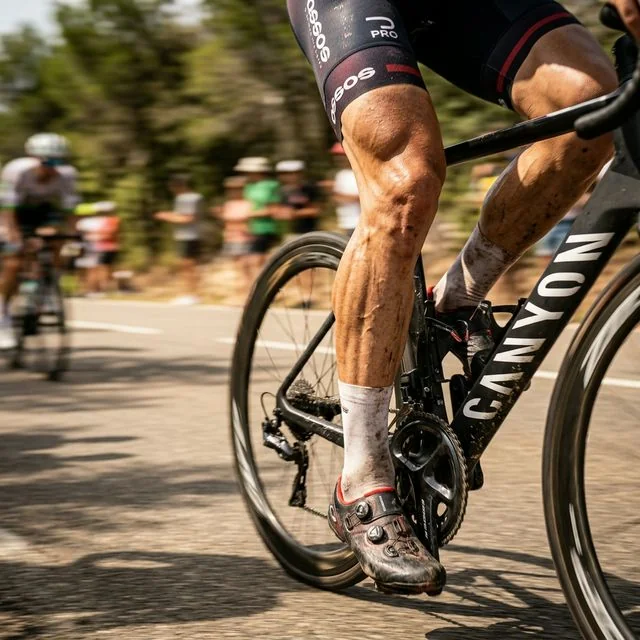
This is the most direct level. Lactic acid buildup, muscle fatigue, a soaring heart rate. Your body tells you in every possible way: “Stop.” This pain is honest—it reflects your true physiological state.
Learning to have a dialogue with your body’s pain, rather than being dominated by it, is the first lesson of endurance sports. You don’t ignore the pain—that would be dangerous. You acknowledge it, understand it, and then choose how to respond.
An experienced cycling coach once told me: “Pain is information, not a command. Your legs tell you they’re tired, but they don’t have the authority to order you to stop. Ultimately, it’s your mind that makes the decision.”
Level Two: The Mind’s Struggle
Once the body’s pain reaches a certain point, the real battlefield shifts to the mind. At this stage, your legs can still pedal, your lungs can still breathe, but your brain starts fabricating all kinds of reasonable excuses to quit:
- “I’m not feeling good today. I’ll come back another time.”
- “I’ve already ridden this far. That’s enough.”
- “No one is watching. It won’t matter if I quit.”
- “This isn’t even a race. Why push so hard?”
These voices sound perfectly rational, but they all share the same essence: escaping discomfort. Pain at the mental level doesn’t test your physical fitness—it tests the quality of the conversation you have with yourself.
Level Three: The Existential Question
In extreme endurance challenges—ultra-long distance rides, multi-day events, high-altitude climbs—you touch the third level of pain. At this point, you begin questioning more fundamental things: “Why am I even doing this?” “What’s the meaning of any of this?”
It sounds dramatic, but anyone who has experienced true limits in endurance sports knows this feeling. In that state, you are stripped of all pretense and self-deception, facing your most naked self.
And that, precisely, is the most precious gift of endurance sports.
The Craft of Suffering
Breaking Pain into Pieces
Long-distance pain is intimidating largely because we imagine “how much more suffering lies ahead.” The solution is simple but not easy: only deal with the pain of the present moment.
Don’t think about the remaining 50 kilometers. Only think about this one pedal stroke. Then another. Then another. Break a mountain down into a thousand pedal strokes, each one bearable. Break a century ride into ten ten-kilometer segments, each one achievable.
This isn’t a psychological trick—it’s a shift in the way of being: from “future-oriented” to “present-oriented.”
Building a Relationship with Pain
Try not to treat pain as an enemy. It’s more like a strict but fair teacher. It tells you where your body’s limits are, it forces you to learn resource management, it teaches you humility.
Experienced endurance athletes develop a peculiar ability: finding an almost aesthetic appreciation within pain. “Ah, this burning sensation means I’m breaking through my previous limit.” This isn’t self-harm—it’s a heightened form of self-awareness.
Finding the Rhythm of Pain
Pain is not a straight line; it has peaks and troughs. Learning to recognize the rhythm of pain is the hallmark of a seasoned athlete. You’ll discover that after the most agonizing moments, a strange calm often follows—the so-called “second wind.”
It’s not that the pain disappears, but that your body and mind reach some kind of agreement, entering a sustainable state. The only way to reach this state is to first pass through the wall of pain.
The Rewards of Pain
A Higher Baseline
Every time you successfully embrace pain rather than escape it, your “comfort zone” quietly expands a little. The pace that caused you pain yesterday becomes tomorrow’s easy ride. This isn’t just physical adaptation—it’s a rise in your psychological threshold.
Clearer Self-Awareness
Pain is the best mirror for revealing who you truly are. In comfortable conditions, we can all perform well. But in pain, you see your real self: Are you someone who gives up easily? Do you blame others under pressure? Can you stay calm in adversity?
These discoveries may not always be pleasant, but they are always valuable.
Deeper Gratitude
Those who have weathered storms truly appreciate the value of clear skies. Those who have pushed their physical limits truly appreciate everyday health and comfort. The pain of endurance sports recalibrates our coordinates of happiness.
An Important Distinction
It must be emphasized: embracing pain does not mean pursuing injury. Smart endurance athletes know the difference between “good pain” (muscle fatigue, cardiovascular limits) and “bad pain” (joint clicking, acute injuries). The former deserves to be embraced; the latter demands respect.
“Pain is inevitable. Suffering is optional.” — Haruki Murakami
This quote is often cited, but its deeper meaning deserves repeated reflection. In endurance sports, we choose to suffer. And it is precisely this “choice” that gives all pain its dignity and meaning.
Related Reading
- Pain Management in Endurance Sports: A Psychological Perspective
- Pain Acceptance in Competition: Cognitive Reframing Techniques for Tolerating Discomfort
- The Science of Suffering: The Psychophysiology of Endurance Sports, and How to Train Your “Brain’s Brake”
- Mental Toughness Training: How Pro Cyclists Stay Focused in Pain