Arrhythmia Risk in Endurance Athletes: The Long-Term Exposure Mechanism of A-Fib and Atrial Fibrillation
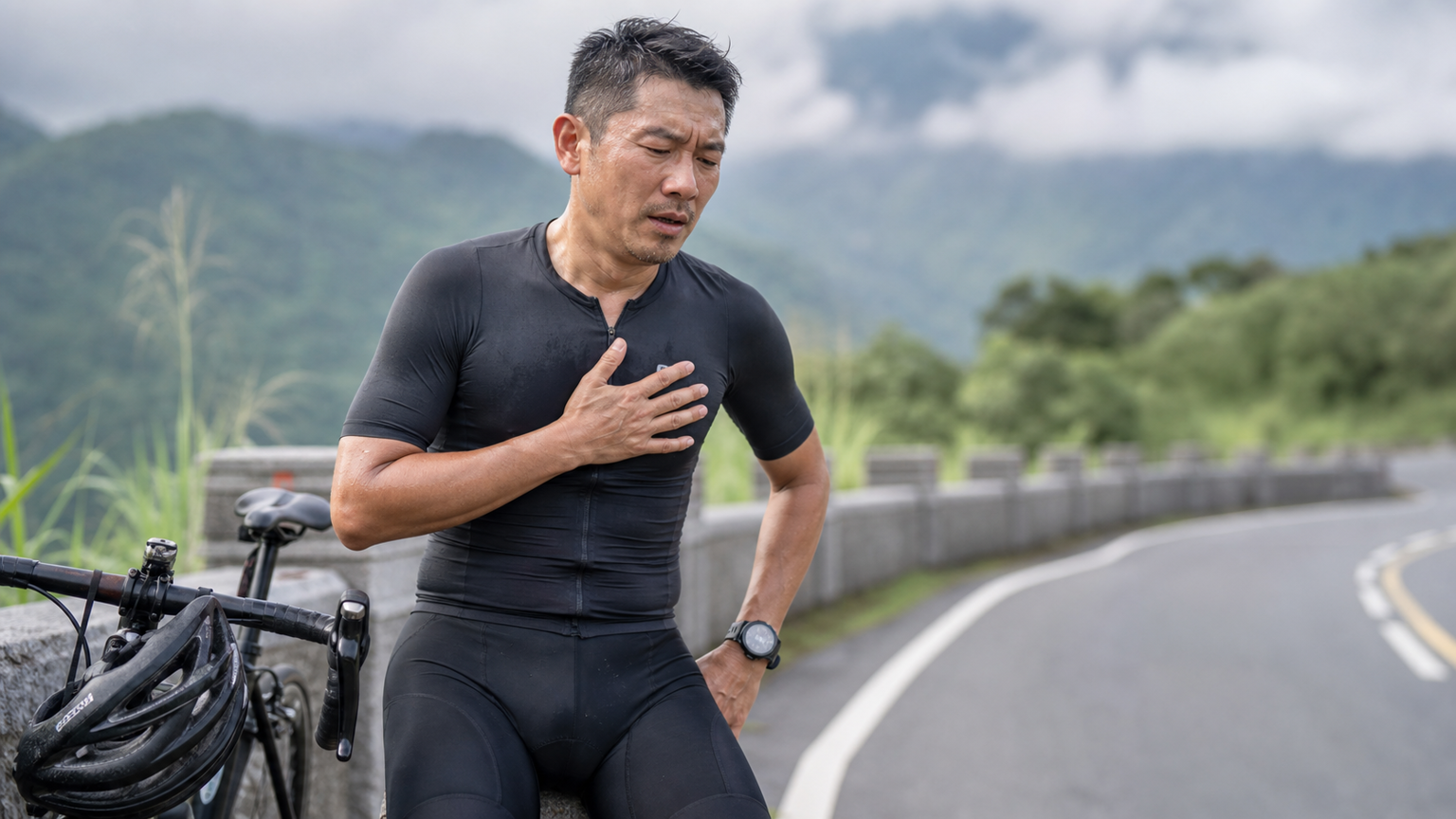
Are Endurance Athletes Really More Prone to Arrhythmia?
A surprising research conclusion: Long-term high-intensity endurance athletes (marathoners, ultramarathoners, long-distance cyclists) have an atrial fibrillation (A-Fib) incidence rate 2 to 5 times higher than the general population.
A 2018 meta-analysis published in the European Heart Journal:
- Amateur endurance athletes: 1.8-fold increased A-Fib risk
- Competitive endurance athletes: 5.3-fold increased risk
- Cumulative training volume > 2,000 hours = significantly elevated risk
What Is A-Fib?
Atrial fibrillation is uncoordinated contraction of the atrial muscles, leading to an irregular heartbeat. Symptoms:
- Heart rate fluctuating between fast and slow, with an irregular pounding sensation
- Chest tightness, palpitations
- Fatigue, declining athletic performance
- In severe cases, blood clots → stroke (A-Fib patients have a 5-fold increased stroke risk)
Why Endurance Exercise Triggers A-Fib
1. Atrial Structural Remodeling
- Long-term high cardiac output → atrial enlargement
- Competitive athletes’ left atria can be 20–30% larger than normal
- Enlarged atrial muscle undergoes electrophysiological changes, making it prone to abnormal electrical signals
2. Excessive Parasympathetic Tone
- Endurance training shifts dominance to the parasympathetic nervous system, lowering resting heart rate to 35–45 bpm
- Excessively low heart rate + parasympathetic dominance → abnormal atrial electrical activity
- “Vagal A-Fib” is common in endurance athletes
3. Free Radicals and Inflammation
- Ultradistance exercise → massive free radical production
- Chronic low-grade inflammation → atrial fibrosis
- Atrial fibrosis is the anatomical basis of A-Fib
4. Electrolyte Imbalance
- Loss of magnesium and potassium ions
- Dehydration concentrates the blood
- Long-term suboptimal health status in high-frequency exercisers
High-Risk Groups
The following groups face significantly elevated risk:
- Males > 40 years old
- Cumulative training years > 10 years
- High-intensity training volume > 10 hours per week
- Completion of > 10 marathons or long-distance races
- Family history of A-Fib
- Patients with hypertension, diabetes, obesity, or sleep apnea
Recognizing Symptoms
Mild A-Fib (Paroxysmal)
- Occasional palpitations (lasting seconds to minutes)
- Abnormally elevated heart rate after exercise (200+ bpm and sustained)
- Sudden decline in training performance
- Subjective feeling that “the heart is beating strangely”
Moderate A-Fib (Persistent)
- Irregular heartbeat lasting for hours
- Shortness of breath even when climbing stairs
- Fatigue, weakness
- Unstable heart rate readings when measuring blood pressure
Severe Symptoms (Seek Emergency Care)
- Chest pain
- Severe difficulty breathing
- Blurred vision, dizziness, fainting
- Weakness in one arm or leg (suspected stroke)
Prevention Strategies
1. Training Volume Management
The “J-Curve” principle: Moderate exercise lowers risk; excessive exercise raises it.
Recommendations:
- Amateur cyclists: < 10 hours of high-intensity training per week
- Those with > 10 cumulative training years: avoid sustained high-intensity training exceeding 5,000 km per year
- Age 50 and above: intensity matters more than volume; consistency matters more than accumulation
2. Heart Rate Variability (HRV) Monitoring
- Measure HRV every morning upon waking
- A long-term declining HRV trend = an overtraining warning sign
- Tools: Garmin, Whoop, Oura
3. Regular Cardiac Checkups
- Annual exercise ECG for those over 40
- Echocardiogram (left atrial size, wall thickness)
- 24-hour Holter monitoring
4. Electrolyte Supplementation
- Magnesium: 300–400 mg daily (an extra 100 mg after exercise)
- Potassium: 4,700 mg daily (primarily from vegetables and fruits)
- Sodium: supplement according to sweat loss (1 L of water + 0.5 g salt during exercise)
5. Managing Comorbidities
- Hypertension: < 130/80
- Diabetes: HbA1c < 6.5%
- Sleep apnea: treat early
- Weight: BMI < 25
6. Abstaining from Alcohol
Alcohol is a strong trigger for A-Fib. More than 3 drinks per week significantly raises A-Fib risk.
Can You Still Ride with Existing A-Fib?
Yes, but adjustments are needed:
- Resume exercise only after discussing with a cardiologist
- Focus on low-to-moderate intensity (Zone 1–2)
- Avoid prolonged high-intensity efforts (> 60 minutes in Zone 3+)
- Be mindful of crash risk while taking anticoagulants (e.g., Eliquis, Pradaxa)
- Some patients can resume exercise after undergoing catheter ablation
When to Seek Medical Care
Immediate Care (Emergency Room)
- Sustained palpitations lasting > 30 minutes
- Chest pain + difficulty breathing
- Fainting
Scheduled Clinic Visit (Within One Week)
- Occasional palpitations occurring > 3 times per week
- Inability to reach expected maximum heart rate during exercise
- Continuously declining training performance
- Subjective feeling that the heart is “off”
Routine Checkup (Annually)
- Endurance athletes over 40
- Training volume > 8,000 km per year
- Those with a family history of heart disease
Conclusion
The health benefits of endurance exercise far outweigh the risks, but “excess” can harm the heart in reverse. Train smart:
- 80/20 intensity distribution
- Adequate recovery
- Regular checkups
- Listen to your body
Riding is for health, not for damaging it. The longest-lived cyclists are not the ones who ride the most, but the ones who ride the smartest.
Related Reading
- Runner’s Heart Hypertrophy and Arrhythmia: The Long-Term Effects of Endurance Training
- Arrhythmia in Athletes: Should You Fear When Your Heart “Skips a Beat” Mid-Ride?
- Endurance Exercise and the Heart: Positive and Negative Effects of Long-Term Training
- Heart Health in Endurance Athletes: Athletic Heart Hypertrophy vs. Pathological Heart Disease
西進武嶺 免費訓練分析服務 Intervals | 練不夠還是練過頭?你哪一種類型選手?AI模型告訴你! | 備戰神器 | 公路車 訓練 | CT Yeh
4 年前
[教學] Premiere 影片 手震 修正 教學 防抖 單眼 影像 GoPro 穩定 Video Stabilization
8 年前
#公路車 #Vo2Max #最大攝氧量 測驗 體驗 | 心肺測試
6 年前
戰略) Zwift Race 如何咬在第一集團 如何評估自己要開多少推力 (請開1.5倍速看)
7 年前
一日北高/長距離團騎 常見問題補充篇 / 組團或跟團的眉角 / 壯車友容易被瘦車友慢性拉爆 / 原來屁股痛可能是這個原因...? / 風場配速法 / 公路車 / CT Yeh
2 年前
JE22 百里任務體驗,心跳不能過150,三小時內有可能...? 沒有天時地利難度有多高? / 公路車 / CT Yeh
1 年前
爬陡坡被爆胎的車友跑步超車 #cycling #里佳部落
9 個月前
福隆鐵人團練隨拍
8 年前