Protein Intake for Cyclists: A Complete Guide to Muscle Recovery and Fitness Maintenance
Cycling is an endurance sport, and many riders assume that “protein is a weightlifting thing, and I don’t need that much for riding.” This is a common misconception.
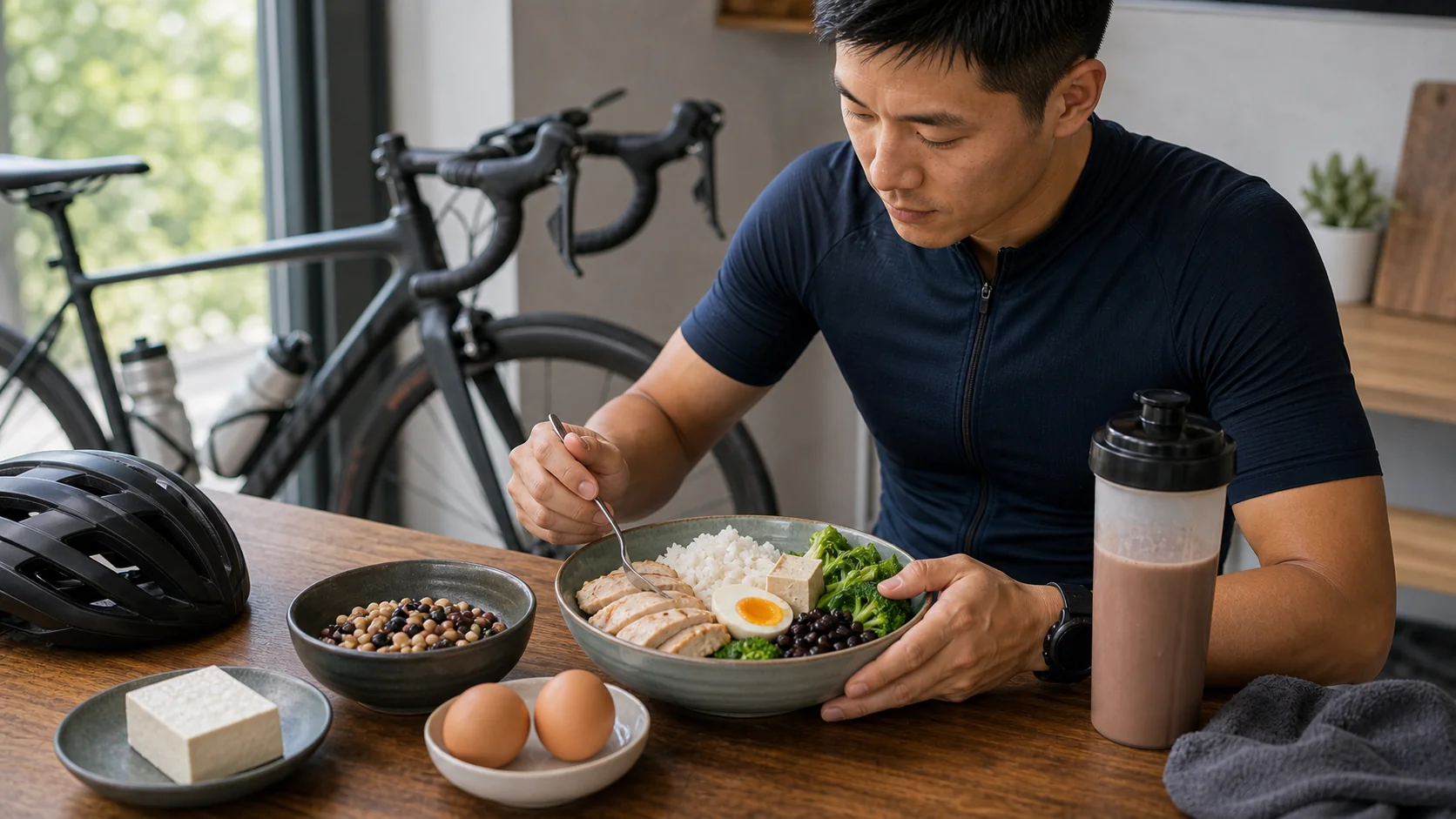
Protein is just as critical for cyclists — repairing training-induced muscle damage, maintaining immune function, and synthesizing enzymes and hormones all require adequate protein.
Protein Needs for Cyclists
The Difference Between General Adults and Athletes
| Group | Protein Needs (g/kg/day) |
|---|---|
| General adult (sedentary) | 0.8 |
| Recreational rider | 1.2-1.4 |
| Moderate-training cyclist | 1.4-1.7 |
| High-intensity training cyclist | 1.7-2.0 |
| Cyclists over 50 | 1.6-2.0 (slightly higher, due to reduced muscle synthesis efficiency) |
Example calculation:
A 70kg moderate-training cyclist needs about 100-120g of protein per day (70×1.4 to 70×1.7).
Why Endurance Athletes Need Protein
Repairing training-induced muscle damage:
Even aerobic riding — especially long-duration and high-intensity riding — causes small amounts of muscle micro-damage.
Gluconeogenesis:
Late in a long ride, once glycogen is depleted, protein can be broken down for energy. Adequate protein intake helps protect muscle from being broken down.
Enzyme synthesis:
The adaptation process from riding requires synthesizing new enzymes (such as mitochondrial enzymes), which also require protein.
Protein Timing
Does timing matter more than total amount?
Research shows that protein timing does matter, but only once total intake is sufficient.
The Post-Workout “Golden Window”
The 30-60 minutes after training is when protein utilization efficiency is highest (muscle protein synthesis signaling is strongest).
Recommendation: Consume 20-40g of protein (along with carbohydrates) within 30 minutes after training.
Distribution Across Meals
Research shows that spreading protein across 3-4 meals is more efficiently absorbed than concentrating it in a single meal.
Protein target per meal: 20-40g
Protein intake above 40g per meal may be oxidized (used for energy) rather than used for muscle synthesis.
Bedtime Protein (Casein)
Casein is a slow-digesting protein. Consuming it before bed can provide a steady supply of amino acids for muscle synthesis throughout sleep.
Recommended practice:
One hour before bed, consume 20-30g of casein (such as low-fat cottage cheese or Greek yogurt).
Choosing High-Quality Protein Foods
Animal-Based Protein
| Food | Serving | Protein (g) | Notes |
|---|---|---|---|
| Chicken breast | 100g | 31 | Low fat, high quality |
| Salmon | 100g | 25 | Contains Omega-3 |
| Egg | 1 | 6 | Complete amino acid profile |
| Greek yogurt | 150g | 15 | Contains probiotics |
| Low-fat cottage cheese | 100g | 12 | High in casein |
| Canned tuna | 100g | 30 | Convenient, low cost |
Plant-Based Protein
| Food | Serving | Protein (g) | Notes |
|---|---|---|---|
| Tofu | 100g | 8 | Inexpensive, versatile |
| Edamame | 100g | 11 | Complete amino acids, convenient |
| Lentils | 100g (dry) | 26 | High protein, high fiber |
| Quinoa | 100g (dry) | 14 | Complete-amino-acid plant protein |
| Soy milk | 240ml | 7 | Common in Taiwan, convenient |
Notes on plant-based protein:
Most plant-based proteins are “incomplete proteins” (lacking certain essential amino acids). Combining different food sources (such as legumes and grains together) helps complete the amino acid profile.
Vegetarian cyclists may need slightly higher protein intake (1.6-2.2g/kg) to compensate for somewhat lower digestive utilization.
Post-Workout Protein Refueling Examples
Quick Refuel (Within 30 Minutes After Training)
Option 1 (Convenient):
- 2 hard-boiled eggs + banana + sports drink
- Protein: 12g + 0g (banana) = 12g (a bit low — you can add an egg)
Option 2 (More complete):
- Whey protein shake (25g protein) + a rice ball
- Quickly replenishes protein and carbohydrates
Option 3 (Whole food):
- Greek yogurt (150g) + fruit
- About 15g protein + natural carbohydrates
Regular Meals (1-2 Hours Later)
Protein combinations from Taiwanese cuisine:
Boxed meal (bian dang) choices:
- Braised chicken thigh rice (100g chicken thigh ≈ 20g protein) + side dishes
- Salmon rice + tofu
Home-cooked choices:
- Boiled chicken breast + sweet potato + vegetables
- Blanched edamame + egg fried rice
When to Use Protein Supplements
Whey Protein
Good situations to use it:
- When you need to quickly replenish protein after training (whey digests fast)
- When dietary protein intake is insufficient (especially on busy days)
- When traveling or unable to prepare food conveniently
When it’s not needed:
- When your regular diet already meets your protein target
- When high-protein drinks are unsuitable for you (such as for people with kidney disease)
How to choose whey protein:
- Choose Whey Concentrate or Whey Isolate
- Serving size: 25-30g of protein
- Avoid products with excess added sugar or artificial sweeteners
Protein and Weight Management
Cyclists sometimes need to lose weight while maintaining strength.
Effects of a high-protein diet on weight loss:
- Increases satiety (protein is the most satiating macronutrient)
- Protects muscle (prevents muscle loss during weight loss)
- Raises metabolic rate (protein has the highest thermic effect of food)
Recommendation:
During a weight-loss phase, keep protein intake at 1.8-2.0g/kg while reducing total calories (mainly by cutting carbohydrates and fat).
Conclusion
Protein is a nutrient that cyclists often underestimate.
Make sure to consume 1.5-2.0g/kg of protein daily, spread across multiple meals, with particular attention to post-workout refueling — this simple adjustment can significantly improve your recovery speed and long-term fitness development.
Within Taiwan’s food culture, chicken, fish, eggs, tofu, and legumes can fully meet your protein needs — you don’t necessarily need to rely on supplements.
Related Reading
- Protein Needs for Cyclists: The Science of Muscle Maintenance and Repair
- Protein Timing and Dosage Before, During, and After Rides: The Latest in Sports Nutrition
- A Cyclist’s Diet Plan: The Optimal Ratio of Carbs, Protein, and Fat
- Protein Synthesis and Muscle Repair: A Muscle-Growth Guide for Endurance Athletes
靠單車減肥35公斤 心得分享與整理
7 年前
CT暗黑廚房) 車友必備 宇宙無敵鮮蚵湯 幫助訓練恢復 天然食補 好市多 超肥鮮蚵 破PR
7 年前
一日北高常見問題大集合 | 攻略 | 路線 | 訓練 | 補給 | 自行車 單車 | 一日雙城 | 雙塔 | TWB北高360 | 屁股痛
6 年前
2025 自行車錶排行榜 兩萬車友大數據 / Garmin Bryton 排名會大洗牌嗎? / 全新的碼表前身分析 /公路車 / CT Yeh
1 年前
一日北高/長距離團騎 常見問題補充篇 / 組團或跟團的眉角 / 壯車友容易被瘦車友慢性拉爆 / 原來屁股痛可能是這個原因...? / 風場配速法 / 公路車 / CT Yeh
2 年前
單車 一日北高 ( 雙城 ) 肥宅雙人瘋狂行 紀錄片 REACTO
10 年前
#公路車 #Fitting 靠人工智慧APP 幫你調整單車
6 年前
摔車後補裝備: 好市多新款單車安全帽& Specialized Romin 北高整路屁股都不痛的坐墊 | 一千元居然有MIPS | CT Yeh | 公路車
4 年前