Introduction
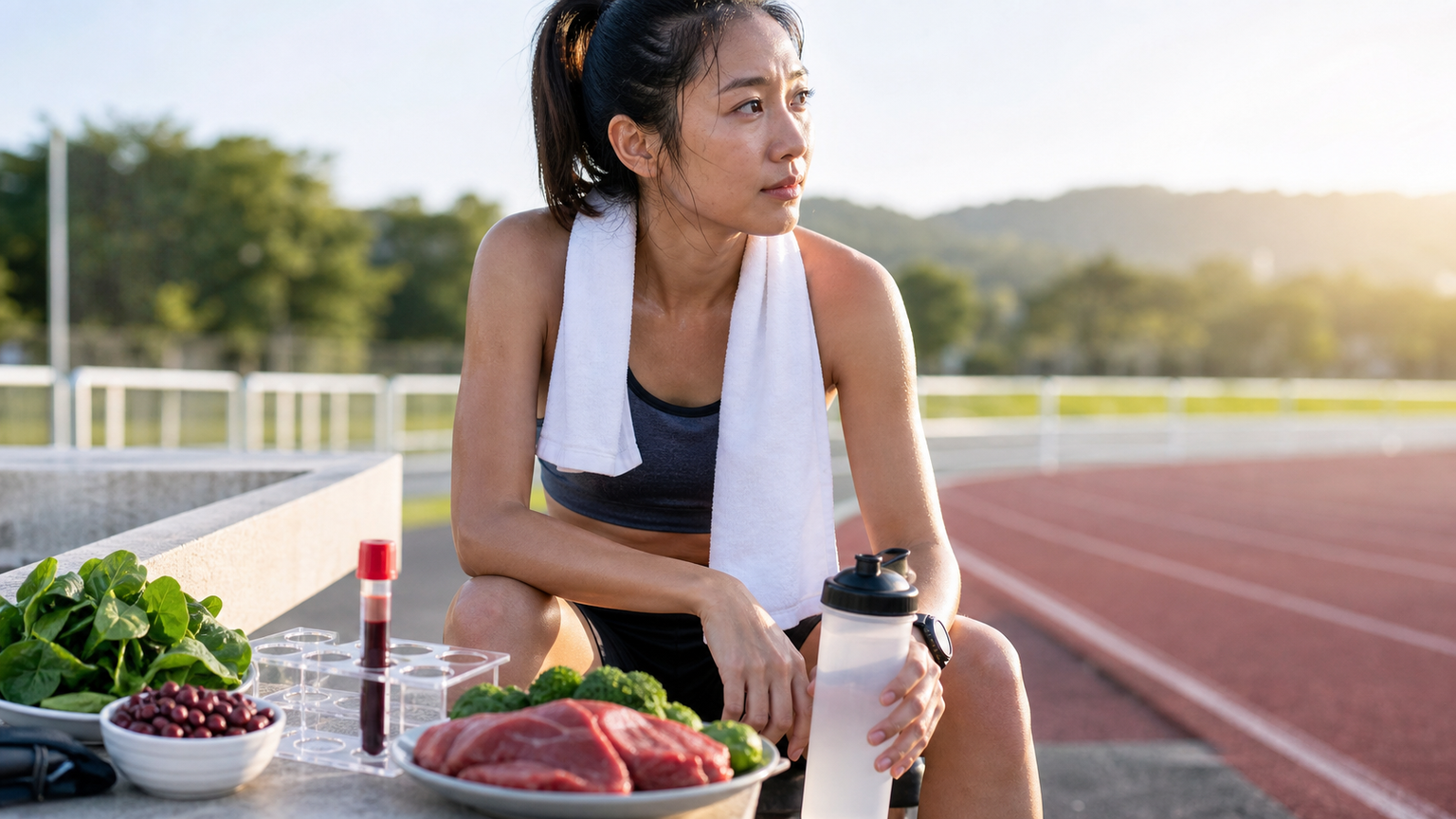
Fatigue, declining speed, and an abnormally elevated heart rate—these symptoms are not uncommon among female endurance athletes. Yet many attribute them to “overtraining” or “lack of sleep,” overlooking the most likely culprit: iron deficiency. Research shows that up to 15–35% of female endurance athletes are iron deficient, and 5–15% of those progress to anemia (hemoglobin <12 g/dL). Iron is not only essential for producing hemoglobin; it is also a core component of the mitochondrial electron transport chain. Iron deficiency directly impairs aerobic metabolism.
Why Female Endurance Athletes Are Particularly Prone to Iron Deficiency
| Route of Iron Loss | Description |
|---|---|
| Menstruation | Each menstrual period results in 20–40 mg of iron loss; higher for those with heavy menstrual bleeding |
| Foot-strike Hemolysis | The impact of foot strikes during running destroys red blood cells, releasing iron that is excreted in urine |
| Sweat Loss | Each liter of sweat contains approximately 0.3–0.4 mg of iron during long-distance training |
| Gastrointestinal Bleeding | Long-distance running can cause minor intestinal bleeding, with iron excreted in feces |
| Inflammation Suppressing Absorption | Intense training elevates IL-6, which stimulates hepcidin and temporarily suppresses iron absorption |
The Three Stages of Iron Deficiency
Stage 1: Depleted Iron Stores
- Ferritin <20 ng/mL, but hemoglobin is normal
- Symptoms: fatigue, declining aerobic performance, easily overlooked
Stage 2: Iron Deficiency (Without Anemia)
- Ferritin <12 ng/mL, transferrin saturation decreases
- Symptoms: slow recovery after training, difficulty concentrating
Stage 3: Iron Deficiency Anemia
- Hemoglobin <12 g/dL (female), MCV decreases
- Symptoms: severe fatigue, elevated resting heart rate, shortness of breath when climbing stairs, pale complexion
Important: Stages 1 and 2 are already sufficient to significantly impair performance. Waiting until anemia develops before seeking medical attention often means losing 3–6 months of training gains. It is recommended to have a complete blood count plus ferritin test at least once a year.
Dietary Sources of Iron
| Food | Serving Size | Iron (mg) | Type |
|---|---|---|---|
| Pig’s blood cake | 100g | 13–16 | Heme iron (absorption rate 15–35%) |
| Beef (lean) | 100g | 3.0 | Heme |
| Pork liver | 80g | 10–12 | Heme |
| Oysters | 100g | 6–7 | Heme |
| Firm tofu | 150g | 3.5 | Non-heme (absorption rate 2–15%) |
| Red amaranth | 100g (cooked) | 3.5–5 | Non-heme |
| Black sesame seeds | 1 tablespoon | 2.5 | Non-heme |
| Iron-fortified breakfast cereal | 30g | 4–8 | Non-heme |
Strategies to Enhance Iron Absorption
- Pair with Vitamin C: Consuming 75–200 mg of vitamin C (e.g., oranges, tomatoes, kiwifruit) with the same meal can increase non-heme iron absorption by 2–3 times.
- Avoid Calcium and Tea Polyphenols: Polyphenols in milk, cheese, tea, and coffee inhibit iron absorption; it is recommended to space them 1–2 hours apart.
- Cook with Cast Iron Cookware: Cooking acidic ingredients (tomatoes, vinegar) in cast iron pans can “extract” small amounts of iron from the cookware.
- Avoid Taking Iron Supplements Immediately After Training: Hepcidin levels are elevated for 3–6 hours after exercise, making iron absorption at its worst during this window. It is recommended to supplement in the morning before training.
When to Use Supplements
If ferritin has not recovered after 4–6 weeks of dietary adjustments, or if anemia has been diagnosed, iron supplements (ferrous sulfate, ferrous gluconate, or ferrous glycinate) should be taken under the guidance of a physician or nutritionist. Take 100–200 mg of elemental iron daily, on alternate days (which yields higher absorption than daily supplementation, with less hepcidin interference). Hemoglobin typically recovers within 6–8 weeks, while ferritin restoration takes 3–6 months.
Practical Recommendations
- Consume red meat or organ meats at least 2–3 times per week; those who do not eat red meat need to more actively plan plant-based iron paired with vitamin C combinations.
- Choose iron-fortified brands of breakfast cereal (check the % RDA for iron on the label).
- Establish an “iron meal” habit: pork liver soup + tomato scrambled eggs + orange juice can provide over 15 mg of iron in a single meal.
- Annual blood tests should include ferritin, not just hemoglobin.
Conclusion
Iron deficiency is the most preventable—yet most frequently overlooked—performance-limiting factor for female endurance athletes. Through regular monitoring, optimized dietary strategies, and precise supplementation when necessary, your aerobic engine can keep running at peak efficiency. Don’t wait until fatigue becomes a habit to recognize the root of the problem.
Related Reading
- Iron in Female Athletes: The Dual Burden of Menstrual Blood Loss and Endurance Exercise
- The Iron Deficiency Crisis: The Most Common Yet Most Overlooked Nutritional Issue in Female Endurance Athletes
- Iron and Anemia in Female Athletes: Why the Risk Is Higher, Common Symptoms, Dietary Strategies, and When to Seek Medical Care
- Anemia Risk in Female Runners: Iron Requirements and Dietary Supplementation Strategies
福隆鐵人團練隨拍
8 年前
FTL 與 SYB 車隊專訪 西進武嶺 實用攻略分享! 2小時 如何練?!你不知道的眉角!新手準備武嶺必看 EP1 | 實力派女車友 | 精華版 | 公路車 | CTYeh
4 年前
CT 喇低賽) 單車 比賽總是沒照片? 攝影師的觀點大公開 姿勢就是力量! 請加速1.25倍收看
7 年前
西進武嶺 免費訓練分析服務 Intervals | 練不夠還是練過頭?你哪一種類型選手?AI模型告訴你! | 備戰神器 | 公路車 訓練 | CT Yeh
4 年前
靠單車減肥35公斤 心得分享與整理
7 年前
CT 喇低賽) 武嶺牽車 才是王道 西進牽車四小時內秘訣 攝手位置 如何判斷 防抽筋小秘訣
7 年前
Never Stop 西進武嶺 前後雙機 完整全程錄影 訓練台 實境
8 年前
CT暗黑廚房) 車友必備 宇宙無敵鮮蚵湯 幫助訓練恢復 天然食補 好市多 超肥鮮蚵 破PR
7 年前