Protein Metabolism in Marathon Running: Strategies for Managing Muscle Breakdown During Long-Distance Running
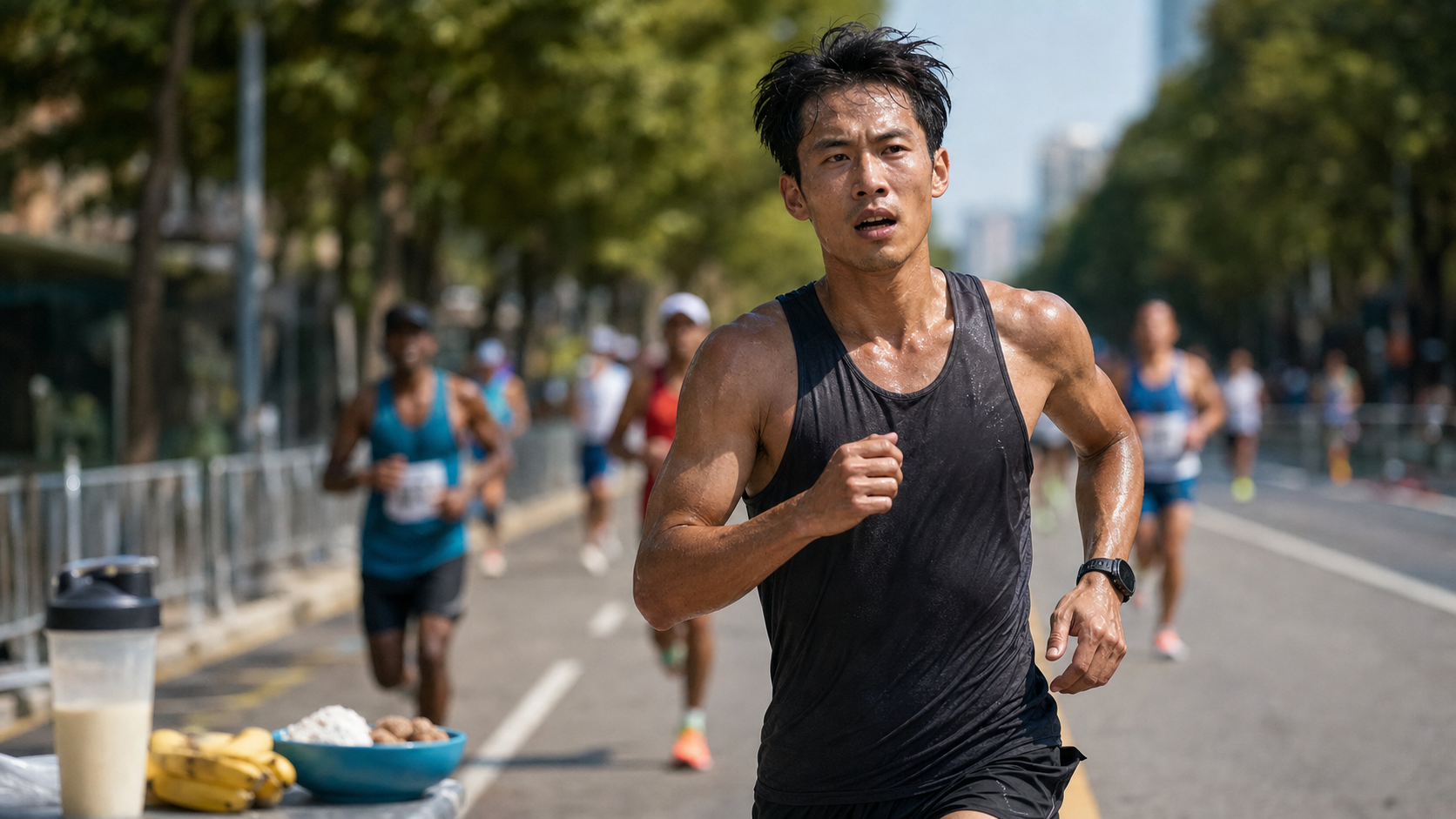
Introduction
When it comes to marathon energy supply, most runners immediately think of “carbohydrates and fat,” but few realize that during a 3–5 hour marathon, protein (specifically amino acids from muscle) also contributes 5–10% of energy, and this proportion may rise further in the later stages of the race when glycogen is depleted. Understanding protein metabolism during a marathon and developing corresponding dietary strategies can not only protect muscle mass but also accelerate post-race recovery, improving the quality of your next training session.
Mechanisms of Protein Breakdown During a Marathon
When the body needs energy during prolonged aerobic exercise, the following three mechanisms mobilize protein:
-
Direct oxidation of branched-chain amino acids (BCAA): Leucine, Isoleucine, and Valine can be directly oxidized in muscle mitochondria for energy. The higher the exercise intensity, the faster the BCAA oxidation rate.
-
Gluconeogenesis: Alanine and Glutamine are transported to the liver and converted into glucose that enters the bloodstream, maintaining blood sugar stability when glycogen is running low.
-
Oxidative stress-induced muscle damage: Reactive oxygen species (ROS) produced during prolonged exercise accelerate muscle protein catabolism, which is also one of the main causes of post-race muscle damage and delayed onset muscle soreness.
| Exercise Duration | Protein Energy Contribution | Main Breakdown Site |
|---|---|---|
| 0–1 hour | < 3% | Minor role |
| 1–2 hours | 3–5% | Small BCAA mobilization |
| 2–3 hours | 5–8% | BCAA + gluconeogenesis |
| 3–5 hours | 8–12% | Significant increase after glycogen depletion |
Pre-Race: Dietary Preparation for Muscle Protection
Pre-Race Carbohydrate Loading
Adequate glycogen stores are the most fundamental way to reduce protein breakdown—when glycogen is sufficient, the body has no reason to break down large amounts of protein. Carbohydrate loading in the 3 days before the race:
- Consume 8–10 g of carbohydrates per kilogram of body weight daily
- For a 65 kg runner: 520–650 g of carbohydrates per day (e.g., white rice, pasta, bread, bananas)
- Maintain normal protein intake (1.4–1.6 g/kg); do not reduce protein when increasing carbohydrates
The Role of Protein in the Pre-Race Breakfast
Race-day breakfast should be primarily carbohydrate-based with moderate protein (20–30 g), for example:
- White rice + fried egg + a small amount of chicken breast
- White toast + low-fat milk + banana
- Avoid high-fat protein sources (red meat, butter): they slow digestion, leaving food in the stomach before the race
During the Race: Strategies for Protein Intake
In most marathons, runners primarily supplement with carbohydrates (energy gels, sports drinks). Some professional energy products also contain small amounts of BCAA (2–5 g per serving). Research shows:
- Benefits of BCAA supplementation during the race: Reduces central nervous system fatigue (BCAA competes with tryptophan for entry into the brain, reducing serotonin synthesis), potentially delaying mental fatigue
- Gastrointestinal tolerance takes priority: Protein intake during the race reduces the absorption rate of carbohydrates; large amounts of protein are not recommended during competition
- Conclusion: During the race, focus on 30–45 g of carbohydrates every 30–45 minutes; protein supplementation is a secondary option
Post-Race: Protein Strategies for the Golden Recovery Window
The 30–60 minutes after the race is the “golden window” for protein supplementation, when muscle protein synthesis rates are at their highest and supplementation is most efficient:
Post-Race Golden Recovery Meal Combination:
- Protein: 25–40 g (including at least 3 g of leucine, to preferentially trigger muscle protein synthesis)
- Carbohydrates: 50–80 g (for rapid glycogen replenishment)
- Fluids: 500–700 mL (for rehydration)
Commonly Available Recovery Foods in Taiwan:
- Soy milk + rice ball (soy milk provides 25 g protein, rice ball provides 30–40 g carbohydrates)
- Low-fat milk + banana + white rice
- Chicken breast bento box (a complete meal 1–2 hours post-race)
| Nutrient | 30 Minutes Post-Race | 2–4 Hours Post-Race | 24 Hours Post-Race |
|---|---|---|---|
| Protein | 25–30 g (fast-digesting) | 30–40 g (complete meal) | 30–40 g per meal |
| Carbohydrates | 50–60 g (rapid replenishment) | 80–100 g | 8–10 g/kg/day |
| Fluids | 500 mL electrolyte drink | Hydrate as needed | 2.5–3 L per day |
Protein Requirements During Daily Training
During marathon preparation, daily protein requirements are higher than those of the general population:
- General population: 0.8 g/kg/day
- Endurance athletes in preparation: 1.4–1.7 g/kg/day
- High-volume runners (80 km+ per week): 1.7–2.0 g/kg/day
A 65 kg moderately trained runner needs approximately 91–110 g of protein per day, best consumed across 3–4 meals (25–35 g per meal).
Practical Recommendations
- Add protein to your daily breakfast: Soy milk, eggs, low-fat dairy—ensure every meal includes a quality protein source
- Do not go more than 1 hour without food after exercise: Post-long-run muscles are at their highest protein synthesis rate; delaying supplementation is a waste
- Plant-based protein works too: Tofu, dried tofu, and soy products are rich in BCAA and are convenient, quality protein sources for Taiwanese runners
- Do not overdo protein: Protein intake exceeding 2.2 g/kg/day offers no additional benefit for marathon runners; excess protein is converted to calories or increases kidney burden
- Protein before sleep: Consume 20–25 g of casein (milk, cheese) 30 minutes before bed to provide slow-release protein throughout the night, enhancing overnight repair
Conclusion
Marathon energy metabolism does not rely solely on glycogen and fat; protein protection and supplementation are part of a complete race preparation strategy. Through adequate pre-race carbohydrate loading to reduce protein breakdown, precise supplementation during the post-race golden window, and sufficient protein intake during daily training, your muscles can recover quickly after every workout, allowing you to face the next training block and ultimately race day in a stronger state.
Related Reading
- Protein Requirements for Ultramarathons: Muscle Breakdown and Protein Supplementation in Prolonged Exercise
- Marathon Energy Metabolism: The Science of Glycogen Stores and “Hitting the Wall”
- Complete Analysis of Exercise Protein Metabolism: Muscle Building and Breakdown, Timing and Dosage of Synthetic Stimuli
- Glycogen Depletion in Long-Distance Running: The Biochemical Mechanism of Hitting the Wall in Marathons
CT暗黑廚房) 車友必備 宇宙無敵鮮蚵湯 幫助訓練恢復 天然食補 好市多 超肥鮮蚵 破PR
7 年前
2018 田中馬拉松 全程健跑 VR 360 環景錄影 體驗現場狂野加油氣氛! Insta 360
7 年前
西進武嶺 免費訓練分析服務 Intervals | 練不夠還是練過頭?你哪一種類型選手?AI模型告訴你! | 備戰神器 | 公路車 訓練 | CT Yeh
4 年前
一日北高/長距離團騎 常見問題補充篇 / 組團或跟團的眉角 / 壯車友容易被瘦車友慢性拉爆 / 原來屁股痛可能是這個原因...? / 風場配速法 / 公路車 / CT Yeh
2 年前
靠單車減肥35公斤 心得分享與整理
7 年前
iPhone內建一秒變長腿🤣 車友必備#cycling
2 年前
#公路車 #Fitting 靠人工智慧APP 幫你調整單車
6 年前
#公路車 #Vo2Max #最大攝氧量 測驗 體驗 | 心肺測試
6 年前