Introduction
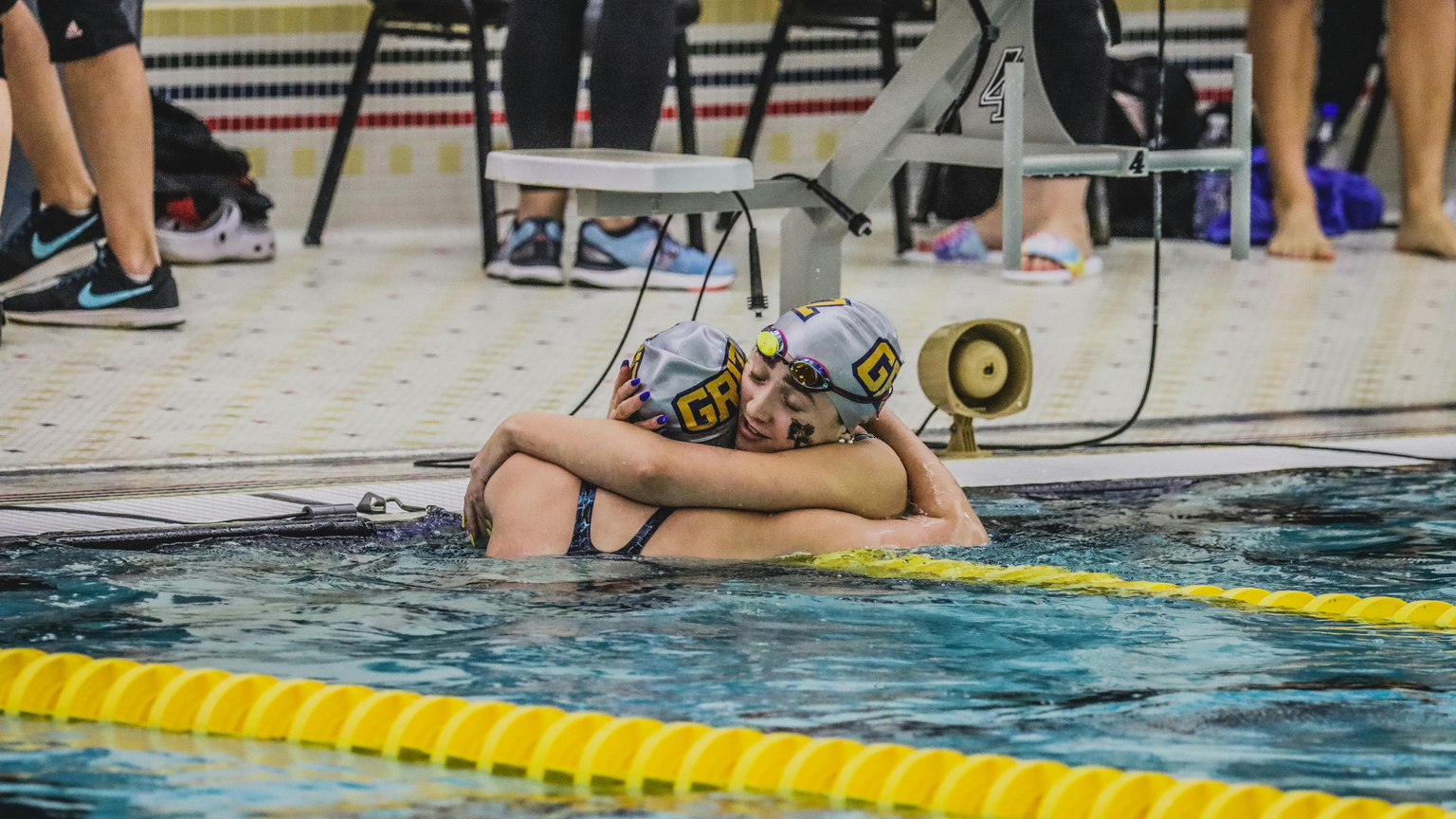
You prepared for this race for six months. You woke up early, you dieted, you turned down invitations from friends—all for this one race. And then—you didn’t hit your goal. Maybe the result fell short of expectations, maybe there was an unexpected mistake, maybe you were beaten by an opponent you thought you should have defeated. In the moment after the race ends, it feels like the whole world has collapsed.
This feeling is completely normal, and it can also be completely overcome. Sports psychology research shows that how an athlete reacts to failure often determines future performance more than the failure itself. This article will explore the psychological process following failure and how to accelerate psychological rebuilding through concrete strategies, turning every failure into the foundation for the next breakthrough.
The Psychological Process After Failure
Sports psychologists have found that athletes’ psychological process after a major failure follows stages similar to the grief response:
| Stage | Common Feelings | Duration (highly individual) |
|---|---|---|
| Shock and Denial | “This isn’t real,” numbness | Minutes to hours |
| Anger and Self-Blame | “How could I be so bad,” “It’s all my fault” | Hours to days |
| Depression and Low Motivation | Loss of desire to train, temporary loss of passion for swimming | Days to weeks |
| Acceptance and Rebuilding | Beginning objective analysis, resetting goals | Varies by individual |
Understanding this process is important: short-term low spirits don’t mean you’re “not mentally tough enough”—it’s a normal emotional processing phase. The question is whether you can move through the first three stages and enter the fourth.
Healthy Strategies for Handling Failure
1. Allow the emotions to exist (the first 24 to 48 hours)
Demanding that you “get over it” or “stop feeling sad” immediately after a failure often backfires. Give yourself a limited window of time to fully feel the disappointment, anger, or frustration. But set a clear “emotional cutoff time” (such as the evening after the race), and then shift into analysis mode.
2. Distinguish between controllable and uncontrollable factors
Once your emotions have settled slightly, conduct an objective analysis of the failure. Categorize the contributing factors:
- Controllable factors: Whether preparation was sufficient, whether technical execution was on point, whether strategy choices were appropriate
- Uncontrollable factors: The opponent performing beyond their usual level that day, unfavorable heat placement, race environment factors
Healthy recovery requires acknowledging shortcomings in controllable factors (without self-destruction) while letting go of fixation on uncontrollable factors.
3. Seek quality support
Talk about your feelings with a coach, teammate, or family member you trust, but note:
- Seek understanding, not just comfort (“It’s okay, you did great” can sometimes create a feeling of being misunderstood)
- Avoid repeatedly retelling the failure to people who offer no constructive response, as this may deepen negative memories
4. A ritualistic “reset”
Create a ritual that marks “I’ve processed the failure, and now I’m moving forward.” For example: write a summary of the failure in your journal and draw a line across the final page; or do an easy swim just to reconnect with the joy of being in the water—no timing, no technical analysis.
5. Set “next action” goals
The final step of recovery is replacing fixation on past failure with concrete action goals. Not new outcome goals (“I must win next time” can create new pressure), but process goals you can start executing tomorrow (“This week I’ll focus on improving my turn technique”).
Warning Signs to Watch For
The following signs indicate that psychological rebuilding may require professional help:
- Significant sleep problems or appetite disturbances lasting more than two weeks after the failure
- Complete loss of interest in swimming (as opposed to a temporary slump)
- Wholesale negation of self-worth (“I’m not just a bad swimmer—I’m a failure as a person”)
- Beginning to cope with disappointment in ways that are self-harming
Practical Advice
- Plan your failure response strategy before the season begins: Discuss with your coach, “If the race result doesn’t meet expectations, what’s our response plan?”
- Cultivate a multifaceted self-identity: Don’t let swimming results become the sole source of your personal value; maintain richness in academics, friendships, and hobbies
- Build a failure database: Record past major failures and the subsequent recovery process; revisit it during low moments to remind yourself that you’ve come back before
Conclusion
Failure is an inseparable part of competitive sport. Every Olympic champion has had unforgettable memories of failure, and behind every world record are countless races that fell short of expectations. What truly determines an athlete’s level isn’t that they’ve never failed—it’s how quickly and how healthily they can rise from failure and keep moving forward.
Related Reading
- Psychological Recovery After a Lost Race: Rebuilding Confidence from Setbacks
- Mental Recovery from a Failed Race: Self-Healing After a DNF or Missed PB
- Post-Swim Race Analysis: How to Objectively Evaluate Performance Without Getting Emotional
- Pre-Race Mental Preparation for Swimming: How Top Athletes Find Calm in the Water
live) 超越北高 之一日北高12小時 策略
7 年前
滑雪新手們慘摔學習全紀錄(請開字幕),滑雪好好玩 | Snowboard + Ski | 岩原 スキー場 | 滑雪APP使用 | GoPro Max
6 年前
戀戀197 競賽組 | 50頁投影片心得報告 | 賽後檢討 攻略 #公路車
6 年前
崇越盃武嶺冠軍高手 賽前JJSC 群峰會精華!對應大數據分析,會有落差嗎?/ feat. JJSC中部公路車約騎 /公路車 / CT Yeh
2 年前
[教學] Premiere 影片 手震 修正 教學 防抖 單眼 影像 GoPro 穩定 Video Stabilization
8 年前
備戰 戀戀197 賽前關門點分析 西濱團練 #公路車 4K高畫質
6 年前
戰略) Zwift Race 如何咬在第一集團 如何評估自己要開多少推力 (請開1.5倍速看)
7 年前
FTL 與 SYB 車隊專訪 西進武嶺 實用攻略分享! 2小時 如何練?!你不知道的眉角!新手準備武嶺必看 EP1 | 實力派女車友 | 精華版 | 公路車 | CTYeh
4 年前