Introduction
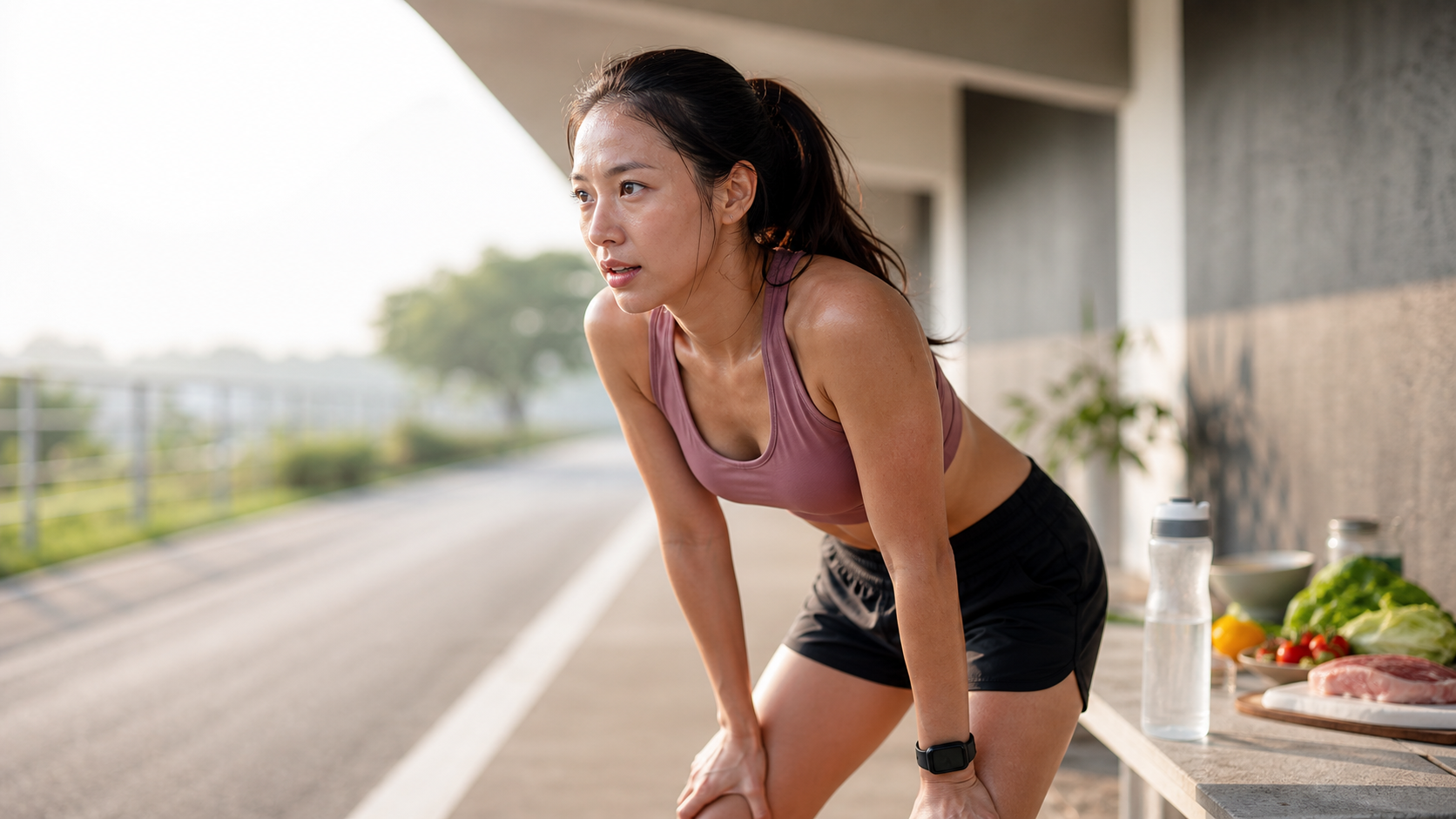
“Why have I been feeling so tired during runs lately? My training volume hasn’t increased, yet my pace keeps getting slower.” This is a common puzzle shared by many female runners, and the culprit behind it is often an iron deficiency quietly taking hold. Iron is the core element in producing hemoglobin in red blood cells, which is responsible for transporting oxygen to the muscles. Once iron levels drop, aerobic capacity deflates like a tire with a slow leak.
Why Are Female Runners Particularly Prone to Iron Deficiency?
Female runners face a multi-pronged assault of iron loss:
| Cause of Iron Loss | Explanation |
|---|---|
| Menstrual blood loss | Each period loses approximately 30–40 ml of blood, equivalent to 15–20 mg of iron |
| Footstrike Hemolysis | The impact of each footstrike crushes red blood cells in the capillaries; the higher the mileage, the more pronounced the effect |
| Iron loss through sweat | Approximately 0.3–0.5 mg of iron is lost through sweat per hour of running |
| Gastrointestinal micro-bleeding | Reduced intestinal blood flow after long runs may cause minor bleeding |
| Dietary restriction | Limiting food intake to maintain weight results in insufficient iron consumption |
The recommended daily iron intake for adult women in Taiwan is 15 mg, but the actual needs of female endurance runners can reach as high as 20–25 mg/day, far exceeding the general recommendation.
The Three Stages of Iron Deficiency
Iron deficiency does not develop into anemia overnight; it progresses gradually:
- Iron Depletion: Stored iron (ferritin) declines, but hemoglobin remains normal. At this stage, there are almost no noticeable symptoms, and routine blood tests look “normal”
- Iron Deficiency: Ferritin drops further, red blood cell production begins to be affected, and you start feeling fatigued with declining athletic performance
- Iron Deficiency Anemia: Hemoglobin is significantly low, causing severe fatigue, dizziness, rapid heartbeat, and pale complexion
Important Reminder: Testing only hemoglobin (Hb) may miss the first two stages! It is recommended to also test Serum Ferritin. The ideal value for runners should be > 30 ng/mL, with an optimal value of > 50 ng/mL.
High-Iron Dietary Strategies
Heme Iron vs. Non-heme Iron
- Heme Iron: Derived from animal foods (red meat, pig’s blood, chicken liver), with an absorption rate as high as 15–35%
- Non-heme Iron: Derived from plant foods (spinach, tofu, black sesame), with an absorption rate of only 2–10%
For vegetarian or low-meat female runners, the key to improving non-heme iron absorption is: consume it together with Vitamin C.
Iron-Rich Local Taiwanese Ingredients
- Pig’s blood cake (approximately 15 mg of iron per 100g, heme iron)
- Clams, oysters (heme iron, and also contain zinc)
- Red beans (non-heme iron; pairs well with guava or orange juice)
- Stir-fried spinach with tofu (add lemon juice to enhance absorption)
- Red meat (beef shank, pork tenderloin; 2–3 times per week is sufficient)
Foods That Hinder Iron Absorption
Consuming the following foods at the same time as high-iron foods will reduce absorption rates:
- Strong tea, coffee (tannins bind with iron)
- Milk, dairy products (calcium competes for the same absorption pathway)
- Phytic acid in whole grains
Recommendation: Wait 1 hour after an iron-rich meal before drinking tea or coffee; take calcium supplements and iron supplements at separate times.
When Is Iron Supplementation Needed?
If ferritin levels remain low after dietary adjustments, or if iron deficiency anemia has been diagnosed, iron supplements should be taken under a physician’s guidance. Common gastrointestinal side effects (constipation, nausea) can be managed by:
- Taking with meals (absorption rate drops slightly, but tolerance is better)
- Choosing forms with higher absorption and lower irritation, such as Ferrous Glycinate
- Taking every other day (some studies show effectiveness comparable to daily dosing, with fewer side effects)
Practical Recommendations
- Get a full iron panel test every six months to a year (CBC + Serum Ferritin + TIBC), especially before the race preparation period
- Women with heavy menstrual flow: Increase intake of high-iron foods during the 3–5 days after your period ends
- Post-long-run iron-replenishing meal: Pig’s blood soup with tofu, paired with tomato and egg drop soup, is an excellent local Taiwanese combination for replenishing iron
- Avoid drinking only coffee before a run: Coffee on an empty stomach with caffeine further suppresses iron storage
- Monitor multiple factors: When you feel “tired but can’t figure out why,” prioritize checking iron status rather than hastily increasing training volume
Conclusion
Iron deficiency is a silent killer for female runners, but it is also the most easily diagnosed and most reversible of all performance-related issues. With regular testing, dietary adjustments, and supplementation when necessary, you can restore hemoglobin to its proper levels and rediscover that light, energetic version of yourself. Running energy starts with your blood.
Related Reading
- Iron Deficiency and Exercise-Induced Anemia in Female Runners: You May Not Know You’re Iron Deficient
- Identifying Runner’s Anemia and Dietary Intervention: Iron Management for Female Runners
- Iron Supplementation for Road Runners: Dietary Strategies for Anemia Prevention in Female Runners
- Iron Supplementation for Female Runners: Identifying Exercise-Induced Anemia and Dietary Strategies
靠單車減肥35公斤 心得分享與整理
7 年前
台灣旅行團參加 第7回まえばし赤城山ヒルクライム大会 雙視點
8 年前
CT暗黑廚房) 車友必備 宇宙無敵鮮蚵湯 幫助訓練恢復 天然食補 好市多 超肥鮮蚵 破PR
7 年前
福隆鐵人團練隨拍
8 年前
CT 喇低賽) 武嶺牽車 才是王道 西進牽車四小時內秘訣 攝手位置 如何判斷 防抽筋小秘訣
7 年前
Never Stop 西進武嶺 前後雙機 完整全程錄影 訓練台 實境
8 年前
西進武嶺 免費訓練分析服務 Intervals | 練不夠還是練過頭?你哪一種類型選手?AI模型告訴你! | 備戰神器 | 公路車 訓練 | CT Yeh
4 年前
一日北高常見問題大集合 | 攻略 | 路線 | 訓練 | 補給 | 自行車 單車 | 一日雙城 | 雙塔 | TWB北高360 | 屁股痛
6 年前