The Impact of Premenstrual Syndrome (PMS) on Training: Pace Adjustment and Psychological Coping
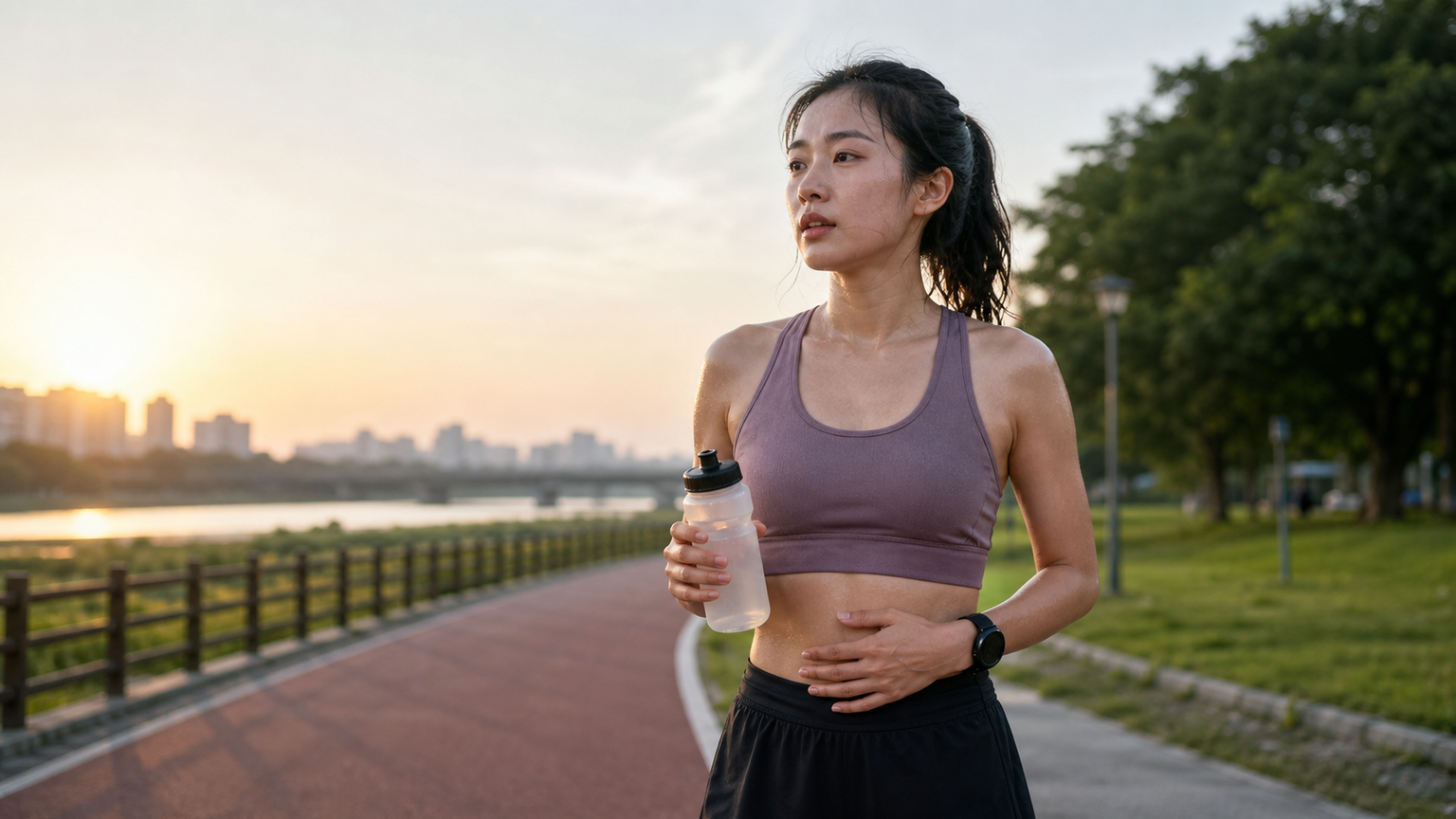
PMS Is Not “All in Your Head”
Premenstrual Syndrome (PMS) affects approximately 75% of women, with 3–8% experiencing PMDD (Premenstrual Dysphoric Disorder) at a severe level. For athletes, PMS is not just “feeling down”—it is a physiological decline in performance.
Typical PMS Symptoms and Their Impact on Training
| Symptom | Physiological Mechanism | Impact on Training |
|---|---|---|
| Edema (weight gain of 1–2 kg) | Progesterone affects sodium retention | Reduced running economy, perceived pace feels slower |
| Breast tenderness | Estrogen affects mammary glands | Discomfort from running impact, requires high-support sports bra |
| Low mood, irritability | Serotonin decline | Reduced training motivation, decreased pain tolerance |
| Insomnia | Progesterone withdrawal affects GABA | Reduced recovery quality |
| Sugar cravings | Unstable blood sugar regulation | Difficulty with dietary control, compromised fueling strategy |
| Gastrointestinal discomfort | Prostaglandin effects | Increased gut-related risk on race day |
Pace Adjustments: Don’t Force a PB
Research shows that during PMS:
- Perceived exertion (RPE) at the same intensity increases by 1–2 levels
- 5K time trial performance drops by an average of 2–4%
- Tolerance for high-intensity intervals decreases significantly
Practical advice: If a Threshold run is scheduled during PMS (5–7 days before menstruation), run 8–12 sec/km slower than usual; if VO2max intervals are scheduled, reduce the number of sets by 1/3. This isn’t backing down—it’s smart training.
Mental Coping Strategies
1. Normalization
Knowing “this is PMS, not a lack of strength” can relieve most of the anxiety. Mark your expected PMS window on the calendar and prepare mentally in advance.
2. Cognitive-Behavioral Adjustments
Avoid doing training reviews or setting new goals during the PMS phase—emotions can distort your judgment. Save these for the follicular phase.
3. What If Race Day Falls During PMS?
- Arrive 10–15 minutes early to warm up, giving your body more time to adapt
- Don’t try new fueling strategies
- Preset heart rate zones 5% lower
- Accept that it may not be a PB day, but you can still finish
Nutritional Interventions
- Calcium 1200 mg/day + Magnesium 300 mg/day: Studies show this can reduce PMS symptoms by up to 48%
- Vitamin B6 50–100 mg/day: Improves mood-related symptoms
- Omega-3 EPA 1–2 g/day: Anti-inflammatory, reduces breast tenderness
- Avoid: High-sodium foods (worsens edema), alcohol, excessive caffeine
When to Seek Medical Intervention
If PMS severely impacts daily life and training:
- SSRI antidepressants: Effective when used during the luteal phase
- Combined oral contraceptives: Stabilize hormones, but the impact on performance must be assessed
- It is recommended to consult an OB-GYN or sports medicine physician familiar with female athletes
One Key Concept
The biggest variable in the relationship between PMS and athletic performance is not the severity of symptoms, but “whether it is anticipated and accepted.” Build it into your training plan—don’t treat it as an unexpected event.
Related Reading
- Female Runners: Menstrual Cycle and Training Alignment—A Hormone-Guided Personalized Plan
- Special Considerations for Female Runners: Menstrual Cycle and Training Adjustments
- Menstrual Cycle Training Adjustments for Female Runners: Intensity Recommendations by Phase
- Periodized Training for Female Cyclists: The Relationship Between Hormones and Performance
西進武嶺 免費訓練分析服務 Intervals | 練不夠還是練過頭?你哪一種類型選手?AI模型告訴你! | 備戰神器 | 公路車 訓練 | CT Yeh
4 年前
西進武嶺 自製新版AI配速表產生器 x 賽前攻略 抱佛腳! 沒有功率計也可以產生配速表嗎?有什麼其他眉角賽前要注意的呢? | 西進武嶺 / 東進武嶺 KOM 攻略 | 公路車 | CT Yeh
4 年前
FTL 與 SYB 車隊專訪 西進武嶺 實用攻略分享! 2小時 如何練?!你不知道的眉角!新手準備武嶺必看 EP1 | 實力派女車友 | 精華版 | 公路車 | CTYeh
4 年前
[教學] Premiere 影片 手震 修正 教學 防抖 單眼 影像 GoPro 穩定 Video Stabilization
8 年前
一日北高/長距離團騎 常見問題補充篇 / 組團或跟團的眉角 / 壯車友容易被瘦車友慢性拉爆 / 原來屁股痛可能是這個原因...? / 風場配速法 / 公路車 / CT Yeh
2 年前
西進武嶺配速器 3.0更新 / NEW 免功率FTP估算! / 大數據xAI體能模型 / 如何模擬人止關前集團效應 / 配速儲存功能 / AI全台自行車賽事行事曆 / 公路車 / CT Yeh
1 年前
#公路車 #Fitting 靠人工智慧APP 幫你調整單車
6 年前
2016 桐花飛舞 單車挑戰 精華片段
10 年前