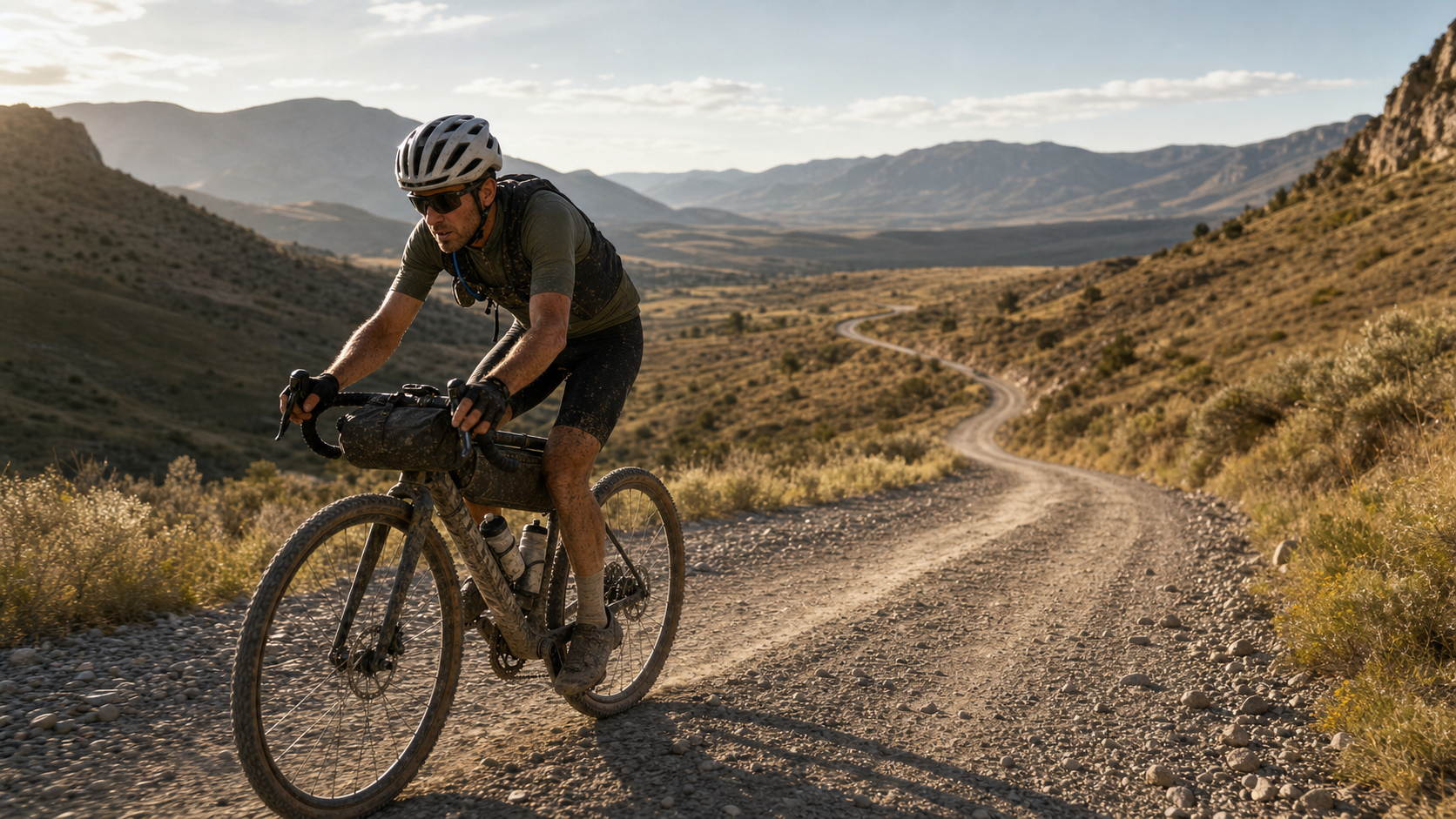
Gravel Race Strategy: Pacing and Nutrition Planning for 200km+ Gravel Races
Gravel races over 200 kilometers are among the most brutal tests in cycling. They are not just a battle of physical strength, but a comprehensive test of strategy, judgment, and mental resilience. A mistake in any single aspect—starting too fast, insufficient nutrition, underestimating weather changes—can undo months of preparation. In recent years, Taiwan has gradually seen several gravel races over 200km, and the DNF (Did Not Finish) list after each event consistently reveals lessons from inadequate preparation.
This article systematically organizes the core strategies for 200km+ gravel races, divided into pre-race planning and in-race execution.
Energy Demand Assessment for 200km+ Gravel Races
First, let’s establish a quantitative understanding of the race’s energy demands.
A rider weighing 70kg completing a 200km gravel race (with approximately 3,000 meters of climbing) will need approximately:
- Total riding time: 10–14 hours (depending on individual ability)
- Estimated calorie expenditure: Approximately 4,500–6,500 kcal
- Carbohydrate requirements: Approximately 500–700 grams (1,500–1,800 kcal from carbohydrates)
- Hourly carbohydrate intake target: 50–80 grams/hour (higher than regular training)
The practical meaning of these numbers: you need to fuel continuously and consistently throughout the race, not waiting until you’re hungry, but rather before you get hungry.
Pre-Race Planning: Route Segmentation Strategy
A 200km+ gravel race route can typically be divided into several meaningful segments. Before the race, you should at minimum do the following:
Complete Route Information Gathering:
- Download the full GPX file and store it offline on your Garmin/Wahoo or phone
- Mark all aid station locations and their contents (drinks, solid food? What exactly is provided?)
- Identify “critical sections”: the steepest climbs, the most technical gravel sections, and the longest stretches without support
Three-Phase Pacing Strategy:
| Segment | Distance Ratio | Pacing Target | Mental Strategy |
|---|---|---|---|
| Early (first 1/3) | 0–70km | 10% below target pace | Resist the urge, don’t get carried away by the group |
| Middle (middle 1/3) | 70–140km | Target pace ±5% | The most critical execution phase |
| Late (final 1/3) | 140–200km+ | Judge based on remaining energy | Intensity can increase, but not recklessly |
The core logic of this strategy: fatigue in the latter stages of a gravel race is more severe than in road racing, because technical sections deplete not just muscle energy but also nervous system energy. Going out too hard too early reduces your reaction capability in later technical sections, ultimately making your overall finish time slower—or even resulting in a DNF.
Pacing Monitoring Tools and Methods
If you have a power meter:
Use power data to control riding intensity. Recommended power targets for a 200km gravel race:
- First 1/3: Do not exceed 75% of FTP
- Middle 1/3: Maintain 70–80% of FTP
- Final 1/3: Based on feel, at most do not exceed 85% of FTP
If you don’t have a power meter:
Use the “talk test” to gauge intensity:
- Can speak full sentences (not short phrases) = too easy
- Can only speak short phrases (3–5 words) = correct intensity
- Can’t speak at all = too hard, need to slow down
Nutrition Strategy: Timing, Content, and Calculation
Nutrition is the aspect most easily overlooked by beginners in long-distance gravel racing. A common mistake is “fueling by feel”—by the time you feel hungry or thirsty, you’re already in a deficit.
Fluid Intake Calculation:
- Baseline: 500–750ml per hour (Taiwan’s summer may require 750–1000ml)
- Electrolytes: After 2 hours, plain water alone can cause hyponatremia; electrolytes need to be added
- Goal: Drink every 20 minutes, rather than waiting until thirsty
Solid Food Strategy:
- First 2 hours: Energy gels can be the primary source (fast digestion)
- 2–6 hours: Mix in energy bars, bananas, sandwiches, and other solid foods (to maintain satiety)
- After 6 hours: Digestive capacity declines, return to easily digestible carbohydrates as the primary source (white rice balls, jelly)
Taiwan-specific gravel race nutrition notes:
- Some aid stations in Taiwan’s mountainous areas are staffed by local indigenous communities and may offer hot food such as indigenous rice dishes or sweet potatoes—feel free to eat them (real food can improve late-race mental state far better than energy gels)
- Self-supply calculation: Carry 200–250 kcal of solid food for each riding hour between aid stations, plus fluids
In-Race Mental Management
In the middle-to-late stages of a 200km+ gravel race, you will encounter a mental low point that nearly every rider faces, typically occurring between 120–160km.
Practical Strategies for Facing the Low Point:
- The 10-Minute Rule: When you want to quit, tell yourself “ride 10 more minutes, then decide.” Most of the time, your condition will improve slightly after 10 minutes
- Fuel Immediately: Many mental low points are physiological responses to energy depletion—eat something first, then make judgments
- Segment Goals: Don’t think “80 kilometers to go”; change it to “ride to the next aid station” (which might only be 15–20 kilometers away)
- The Power of Riding Companions: If you have fellow riders with you, mutual encouragement during the low point has an exponential effect
Weather Response: The Unique Challenges of Taiwan Gravel Races
Taiwan gravel races are mostly held from April to October, and the weather challenges during this period include:
- Sudden afternoon thunderstorms: Carry a lightweight wind/rain jacket (100–150g). Afternoon rain in mountainous areas can drop temperatures by 8–10°C within 20 minutes
- Intense UV radiation: Even on cloudy days, UV index in Taiwan’s mountainous areas can be very high; reapplying sunscreen is essential
- High temperatures affecting hydration needs: In summer races, fluid requirements are 30–50% higher than in spring or autumn
Conclusion
Completing a 200km+ gravel race is a systematic undertaking, not something you can simply power through on physical strength alone. Conservative pacing in the early stages, disciplined execution of nutrition plans, and strategic persistence through mental low points are the common success factors among every finisher. Thinking through your strategy clearly before the race and executing it with discipline during the race—that is the true essence of Gravel wisdom.
Related Reading
- The Complete Gravel Race Preparation Guide: From Training Plans to Race-Day Strategy
- Self-Supported Nutrition Strategy for Gravel Races: What to Eat When There Are No Aid Stations
- The Rise of Gravel Racing: Pacing, Tire Width, and the Problem of Nutrition Islands in Unbound-Level Events
- Gravel-Specific Training: Dual Preparation of Fitness and Skills for Mixed Terrain
#公路車 #西進武嶺 配速配瓦實驗 坡度分析 四小時內攻略 建大盃 NeverStop #西進武嶺攻略
6 年前
半日 小台灣 極限單車路線挑戰實錄
7 年前
Live) 備戰2019彰化經典百K 賽前攻略 (已完賽請看新影片
7 年前
西進武嶺 免費訓練分析服務 Intervals | 練不夠還是練過頭?你哪一種類型選手?AI模型告訴你! | 備戰神器 | 公路車 訓練 | CT Yeh
4 年前
FTL 與 SYB 車隊專訪 西進武嶺 實用攻略分享! 2小時 如何練?!你不知道的眉角!新手準備武嶺必看 EP1 | 實力派女車友 | 精華版 | 公路車 | CTYeh
4 年前
2026 輪霸西濱200K 挑戰VLOG / 第一集團 / 首次參加..經驗不足、膀胱不足 /死守6H內 / AI戰鬥力顯示系統 / 公路車 / CT Yeh
4 個月前
台北闊瀨陡坡 騎旅 / 日本單車雜誌編輯車友臨時加入!/ 髮香才是最強的 / feat. 北迴歸線小隊 / 公路車 CT Yeh
6 個月前
#雙崎部落 單車挑戰賽 心跳破200 #公路車 Neko's Fun
6 年前