Periodization for Swimming Fitness: Transitioning Workouts Across Base, Specific, and Competition Phases
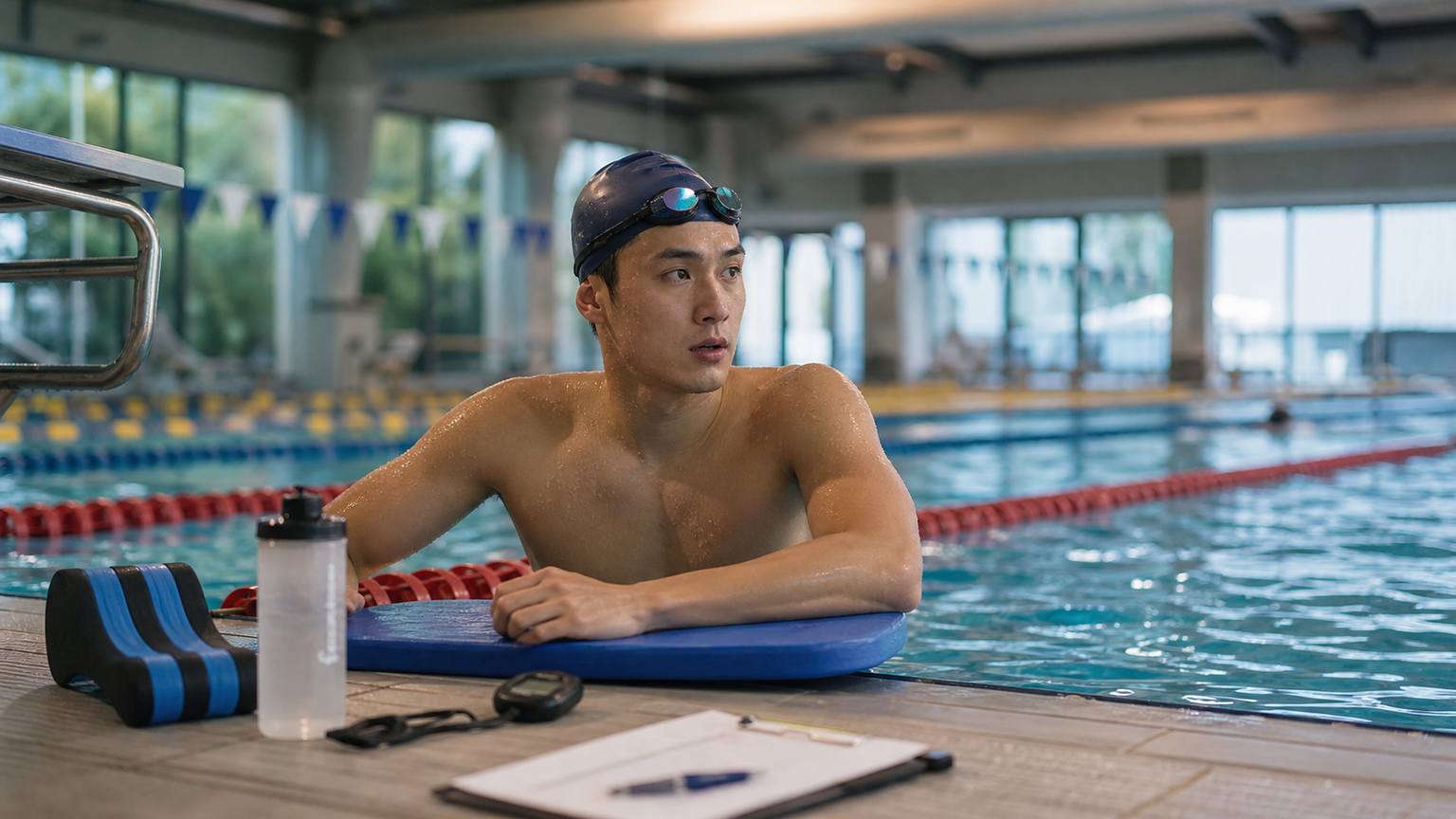
Introduction
Many amateur swimmers in Taiwan train “the same way day after day”—swimming similar distances at similar speeds every time they hit the water, only to find their fitness stagnating or even declining after a few months. The root cause of this problem is a lack of Periodization. Periodization refers to the systematic division of annual training into different phases, each with varying intensity, volume, and goals, allowing the body to receive continuous new stimuli and reach Peak Performance before key competitions.
The Three Main Phases of Swimming Periodization
Standard swimming periodization is typically divided into three main phases:
| Phase | English Name | Duration | Primary Goal |
|---|---|---|---|
| Base Period | Base Period | 8–12 weeks | Aerobic capacity, technique, muscular endurance |
| Build Period | Build Period | 6–10 weeks | Threshold speed, VO2max, event-specific fitness |
| Competition Period | Competition Period | 4–6 weeks | Speed sharpening, tapering, race performance |
Additionally, there is usually a Transition phase between major cycles, lasting about 1–2 weeks, used for complete recovery and re-evaluating goals.
Base Period: Building the Foundation
The Base Period is the bedrock of the entire training plan, with the goal of building broad aerobic capacity and correcting technical flaws.
Characteristics of the Base Period:
- High training volume (maximum total distance per week)
- Low intensity (80–90% in the aerobic zone, heart rate < 75% HRmax)
- Focus on long-distance continuous swimming and technical drills
- Very low proportion of HIIT or speed training (< 5%)
Example for an amateur swimmer in Taiwan (4 sessions per week):
| Day | Workout Content | Total Distance |
|---|---|---|
| Monday | Technical drills + Long aerobic (1×1000m continuous) | 2,000m |
| Wednesday | Mixed-stroke aerobic + Easy kicking | 2,200m |
| Friday | Aerobic threshold intro (3×400m, CSS + 10 seconds) | 2,400m |
| Saturday | Long-distance continuous swim (2,000m continuous) | 2,600m |
Build Period: Raising the Speed Ceiling
After completing the Base Period, the body has a sufficient aerobic base, allowing for the gradual introduction of higher-intensity training.
Characteristics of the Build Period:
- Training volume decreases slightly (10–15% less than the Base Period)
- Intensity increases (increased proportion of threshold and VO2max training)
- HIIT begins to appear regularly (1–2 times per week)
- Proportion of aerobic swimming drops to 65–70%
Example weekly workout for the Build Period:
- Monday: Aerobic base recovery swim (low intensity, 2,000m)
- Wednesday: Anaerobic threshold workout (4×400m CSS pace, 45s rest)
- Friday: VO2max intervals (10×50m all-out, 60s rest)
- Saturday: Race simulation (2×800m, target race pace, 5 min rest)
Competition Period: Sharpening the Blade
The goal of the Competition Period is to “convert” the fitness accumulated in the previous two phases into optimal race performance while allowing the body to fully recover.
Characteristics of the Competition Period:
- Training volume decreases significantly (30–40% less than the Build Period)
- Intensity is maintained or even slightly increased, but volume is low
- 1–2 race-pace simulations scheduled per week
- Sleep and recovery quality become the priority
Tapering strategy for the Competition Period:
- 2 weeks before the race: Total volume down by 20%, intensity remains the same
- 1 week before the race: Total volume down by 40%, retain a small amount of high-quality fast swimming (e.g., 6×50m all-out)
- 2 days before the race: Only a 400–600m warm-up swim, with a few fast starts
Annual Periodization Planning Example
For an amateur swimmer targeting the “National Amateur Swimming Championships in Autumn (around October)”:
| Month | Phase | Focus |
|---|---|---|
| Jan–Feb | Base Period I | Aerobic volume, technical correction |
| March | Assessment week + Recovery | CSS test, organize training plan |
| Apr–May | Base Period II | Long distance, aerobic threshold intro |
| Jun–July | Build Period I | Threshold, VO2max training |
| August | Transition + Fitness test | Re-test CSS, fitness assessment |
| September | Build Period II + Competition Period | Speed sharpening, tapering |
| October | Competition Period | Race, maintenance |
| Nov–Dec | Transition Period | Recovery, non-structured swimming |
Practical Advice
- Do not skip the Base Period: Jumping straight into high intensity is the most common mistake among amateur swimmers. The Base Period may seem boring, but it determines how far you can go in later phases.
- Re-test CSS before every major cycle as the basis for setting intensity for each phase.
- High temperatures in Taiwan: Summer vacation in July–August is the peak training period, but be mindful of the impact of outdoor temperatures on recovery; stay hydrated and prioritize sleep.
- Periodization is not mechanization: If you feel particularly fatigued in a certain week, allow for temporary adjustments; physical sensation takes precedence over planned numbers.
- Record fitness test benchmarks: Record your CSS and 400m personal bests before and after each phase so that the effects of periodization can be quantified.
Conclusion
Periodized training provides a traceable path for swimming fitness growth and allows swimmers to compete in their best state before important races. For amateur swimmers in Taiwan, a clear annual plan not only improves performance but also reduces the risk of injury and increases the sense of achievement in training. Start today by designing a three-phase periodization plan for yourself, and make every time you hit the water meaningful.
Related Topics
- Swimming Fitness Periodization: Milestone Planning for Preparation, Competition, and Recovery Phases
- Periodized Training for Swimmers: Workout Progression from Base to Competition
- Swimming Periodized Training: Workout Transitions for High-Volume, High-Intensity, and Peak Phases
- Swimming Periodized Fitness: Training Intensity Distribution for Pre-season, Mid-season, and Post-season
西進武嶺 免費訓練分析服務 Intervals | 練不夠還是練過頭?你哪一種類型選手?AI模型告訴你! | 備戰神器 | 公路車 訓練 | CT Yeh
4 年前
Live) 備戰2019彰化經典百K 賽前攻略 (已完賽請看新影片
7 年前
96聯賽 桃園市長盃 歷屆各路段大數據攻略 從菁英組到新手組的平均瓦數、均速、平均時間 x 賽前探路
5 年前
滑雪新手們慘摔學習全紀錄(請開字幕),滑雪好好玩 | Snowboard + Ski | 岩原 スキー場 | 滑雪APP使用 | GoPro Max
6 年前
一日北高常見問題大集合 | 攻略 | 路線 | 訓練 | 補給 | 自行車 單車 | 一日雙城 | 雙塔 | TWB北高360 | 屁股痛
6 年前
實景訓練台) 彰化經典百K 高強度喵團 90分鐘 跟著一起練功 2019 Indoor workout Changhua Classic 100 Taiwan
7 年前
一日北高/長距離團騎 常見問題補充篇 / 組團或跟團的眉角 / 壯車友容易被瘦車友慢性拉爆 / 原來屁股痛可能是這個原因...? / 風場配速法 / 公路車 / CT Yeh
2 年前
備戰 戀戀197 賽前關門點分析 西濱團練 #公路車 4K高畫質
6 年前