Swimming and Heart Health: Research on the Cardiovascular Benefits of Long-Term Aerobic Swimming
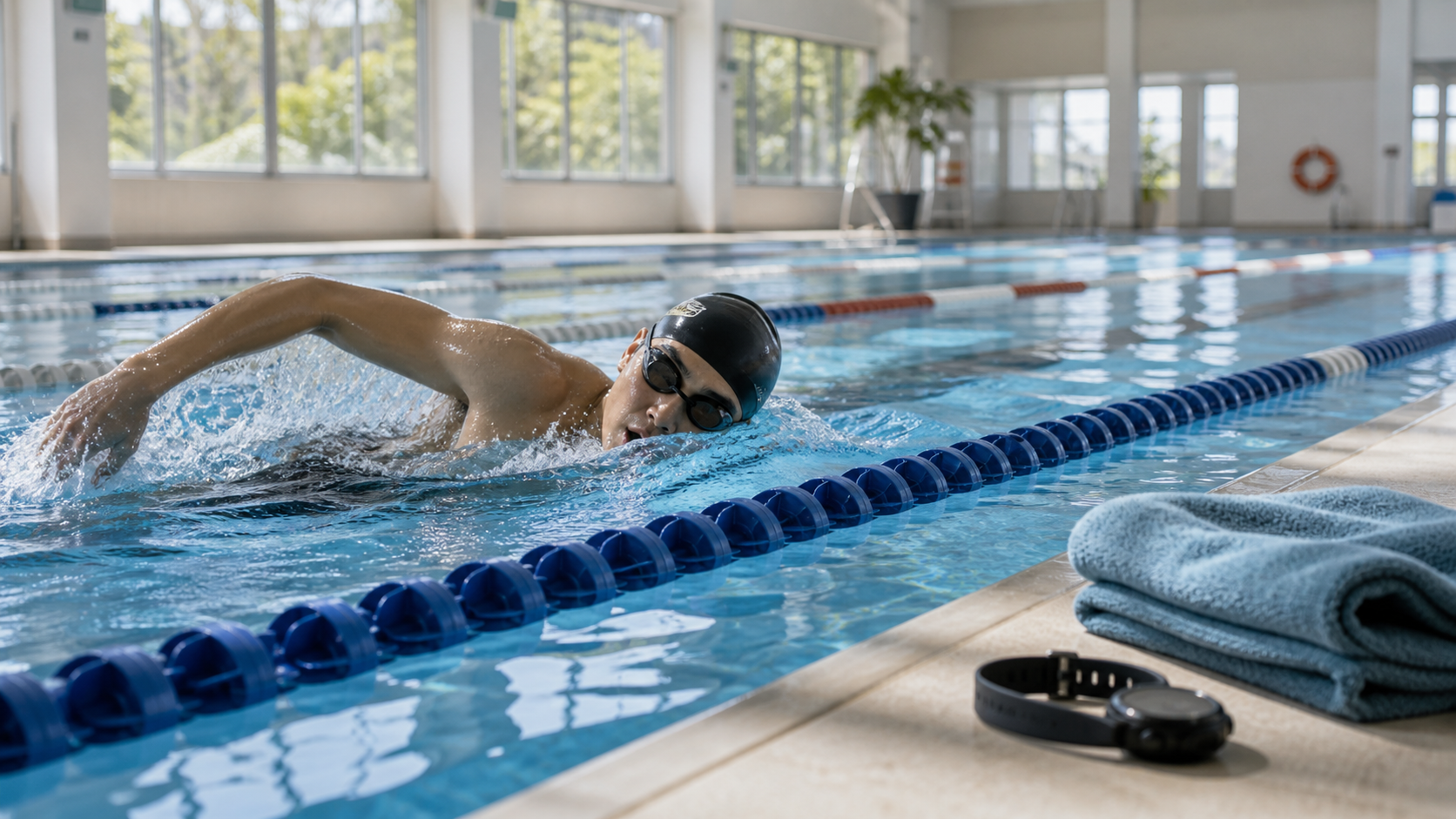
Introduction
Taiwan is a society with a high prevalence of cardiovascular disease. According to statistics from the Ministry of Health and Welfare, heart disease has long ranked as the second leading cause of death among Taiwanese people, and metabolic cardiovascular risk factors such as hypertension, hyperlipidemia, and arteriosclerosis are widespread. Among the many prevention strategies, regular aerobic exercise is one of the most cost-effective measures, and swimming is regarded by many cardiologists as one of the most heart-friendly forms of exercise.
Swimming’s unique advantages lie in the following: the buoyancy of water greatly reduces joint strain, water resistance provides balanced stimulation to all muscle groups, and the pressure effect of water acts like “wearing compression clothing,” aiding venous return. The combination of these three characteristics makes swimming the gentlest yet most effective form of aerobic training for the heart.
Cardiac Structural Adaptations to Swimming
Long-term regular aerobic swimming induces benign adaptations of the athlete’s heart, primarily manifested as follows:
Structural Changes in the Heart
- Increased left ventricular end-diastolic volume: The heart can eject more blood with each contraction (increased stroke volume)
- Moderately increased left ventricular wall thickness: Myocardial strength increases without exceeding the criteria for pathological hypertrophy
- Lower resting heart rate: Well-trained swimmers can have resting heart rates as low as 45–55 bpm, indicating extremely high cardiac efficiency
- Improved cardiac autonomic regulation: Increased parasympathetic tone and enhanced heart rate variability (HRV), associated with better prognosis
Key Research Evidence
| Study | Finding | Journal |
|---|---|---|
| University of South Carolina (2016) | Swimmers had a 53% lower all-cause mortality rate than sedentary individuals | IJSM |
| Australian Institute of Sport (2019) | 8 weeks of regular swimming reduced systolic blood pressure by an average of 7 mmHg | Hypertension |
| National Taiwan University Hospital Cardiology (2021) | Swimming improved 6-minute walk distance better than walking in heart failure patients | Asian Heart Journal |
| American Heart Association (2022) | Swimming was significantly associated with a 15–20% reduction in triglycerides | Circulation |
Specific Mechanisms by Which Swimming Improves Cardiovascular Health
Lowering Blood Pressure
Swimming-induced vascular adaptations include: vascular endothelial cells producing more nitric oxide (NO) to promote vasodilation; reduced renin-angiotensin-aldosterone system (RAAS) activity; and improved arterial compliance. Studies show that swimming 3 times per week for 30–45 minutes per session can effectively reduce resting systolic blood pressure by 5–10 mmHg within 8–12 weeks.
Improving Blood Lipids
Long-term aerobic swimming enhances lipoprotein lipase (LPL) activity, promoting the breakdown of triglycerides while increasing high-density lipoprotein cholesterol (HDL-C) concentrations, thereby improving the overall lipid profile.
Blood Sugar Control
Swimming increases insulin sensitivity in muscle cells and promotes glucose uptake, providing important adjunctive benefits for blood sugar management in type 2 diabetes. Given the high prevalence of diabetes in Taiwan, swimming is a highly recommended adjunctive exercise therapy.
Recommended Swimming Intensity by Population Group
| Population | Recommended Intensity | Frequency per Week | Duration per Session | Precautions |
|---|---|---|---|---|
| Healthy adults (prevention) | Moderate intensity (RPE 12–14) | 3–5 sessions | 30–45 minutes | Maintain ability to talk but feel slightly challenged |
| Hypertensive patients | Low-to-moderate intensity (RPE 11–13) | 3–4 sessions | 20–40 minutes | Avoid breath-holding maneuvers |
| Stable heart failure | Low intensity (RPE 10–12) | 2–3 sessions | 15–30 minutes | Requires cardiologist approval |
| Coronary artery disease rehabilitation | Low intensity, gradually increasing | 2–3 sessions | 15–30 minutes | Conducted under a cardiac rehabilitation program |
| Diabetic patients | Moderate intensity | 3–5 sessions | 30 minutes | Monitor blood glucose before and after swimming |
| Older adults (65+) | Low-to-moderate intensity | 2–4 sessions | 20–30 minutes | Pay special attention to warmth in the water |
Cardiac Safety Considerations for Swimming
Although swimming is generally very safe, the following situations require particular caution:
- Cold water swimming (water temperature < 15°C): May trigger cold urticaria or arrhythmias; cardiac patients without extensive swimming experience should avoid it
- Breath-hold underwater swimming: The diving reflex triggered by repeated breath-holding may precipitate arrhythmias
- Abruptly stopping after swimming: Suddenly coming to a halt may cause a sharp drop in blood pressure; it is recommended to cool down with 3–5 minutes of slow, easy swimming
- Overly warm pools (> 32°C): Heart failure patients may experience hypotension due to vasodilation
Practical Recommendations
- If you have uncontrolled hypertension (systolic blood pressure > 160 mmHg) or have recently experienced a cardiac event, be sure to consult a cardiologist before starting a swimming program
- Use heart rate monitoring tools (such as optical heart rate watches designed for swimming) to ensure you train within your target heart rate zone; waterproof heart rate watches are already available on the Taiwanese market
- If you experience chest pain, chest tightness, palpitations, or dizziness after swimming, stop immediately and seek medical attention
- Hospitals across Taiwan offer cardiac rehabilitation programs, some of which have incorporated swimming as a training component; those in need can inquire
- Combining swimming with a Mediterranean diet (olive oil, fish, vegetables) has a synergistic effect on cardiovascular protection
Conclusion
Swimming is one of the most worthwhile exercises to promote in Taiwan’s cardiovascular disease prevention strategy. Its gentleness allows high-risk populations to participate safely, and its comprehensiveness simultaneously improves aerobic capacity, blood pressure, blood lipids, and blood sugar. Whether you are a middle-aged adult hoping to prevent heart disease or a patient undergoing cardiac rehabilitation, swimming may be the most suitable exercise prescription for you. Getting into the water regularly is the best gift you can give your heart.
Related Reading
- The Long-Term Benefits of Swimming for Cardiovascular Health: What the Research Says
- The Scientific Benefits of Swimming for Cardiovascular Health
- The Scientific Benefits of Swimming for Cardiovascular Health: What the Research Says
- The Cardiovascular Benefits of Swimming: Scientific Evidence for Aerobic Capacity Improvement and Blood Pressure Control
CT暗黑廚房) 車友必備 宇宙無敵鮮蚵湯 幫助訓練恢復 天然食補 好市多 超肥鮮蚵 破PR
7 年前
#公路車 #Vo2Max #最大攝氧量 測驗 體驗 | 心肺測試
6 年前
一日北高/長距離團騎 常見問題補充篇 / 組團或跟團的眉角 / 壯車友容易被瘦車友慢性拉爆 / 原來屁股痛可能是這個原因...? / 風場配速法 / 公路車 / CT Yeh
2 年前
抖肩舞 台灣x日本交流版 (台灣 vs 前橋) 赤城山登山賽 coincidance
8 年前
[防寒衣體驗] 鐵人魂 三鐵 防寒衣試穿會 於松運 深水游泳池 鯨魚池
8 年前
靠單車減肥35公斤 心得分享與整理
7 年前
2023桃園團體繞圈賽 / 海鷗繞圈賽 | 全程空拍數據版 | 公路車 | CT Yeh
2 年前
西進武嶺 免費訓練分析服務 Intervals | 練不夠還是練過頭?你哪一種類型選手?AI模型告訴你! | 備戰神器 | 公路車 訓練 | CT Yeh
4 年前