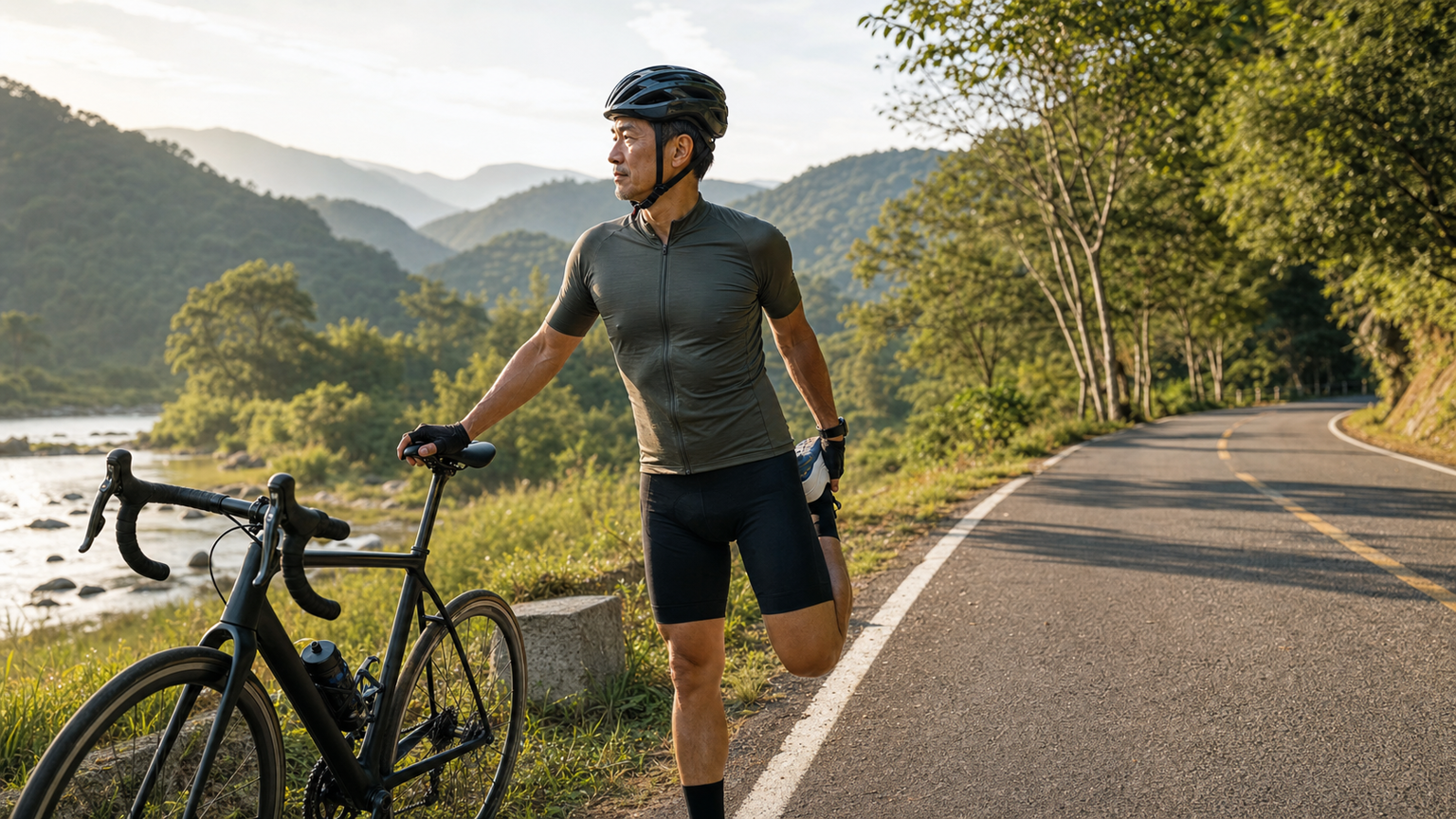
Training Adjustments After Forty: How to Smartly Extend Your Athletic Career
Introduction: Is Forty an Endpoint or a Turning Point?
In the cycling community, we often hear: “When you’re young, you can train however you want, but after forty, things change.” That statement is only half true. It’s true that the body undergoes a series of physiological changes after forty, but that absolutely doesn’t mean you have to give up high-quality training. On the contrary, the right adjustment strategies can keep you improving after forty, even reaching performance levels you’ve never achieved before.
Many world-class cyclists remain active in professional racing after forty. Their secret isn’t reversing time—it’s learning to listen to their bodies and training smarter.
Major Physical Changes After Forty
Loss of Muscle Mass
Starting from age thirty, the human body loses approximately 3-5% of muscle mass per decade, a process known as “sarcopenia.” For cyclists, this means:
- Decreased explosive power: Sprinting ability and short-duration high-power output will gradually weaken
- Changes in muscular endurance: The ability to sustain moderate-to-high intensity for long periods may be affected
- Lower metabolic rate: Basal metabolic rate declines as muscle mass decreases
Changes in Recovery Capacity
This is one of the most noticeable changes after forty. When you’re young, you might train twice a day and recover by the next day, but after middle age:
- Muscle repair takes 30-50% longer
- Nervous system fatigue takes longer to recover from
- The immune system is more vulnerable after high-intensity training
Joints and Connective Tissue
The elasticity of tendons and ligaments decreases with age, and cartilage gradually wears down. This means:
- Increased risk of overuse injuries
- Joint range of motion may be limited
- Longer warm-up times are needed
Core Principles of Training Adjustment
Principle One: Quality Over Quantity
The training philosophy after forty should be “less but better.” Rather than piling up junk miles every week, make sure every session has a clear purpose.
Before Adjustment (Younger Pattern):
- Monday: 2 hours aerobic
- Tuesday: 2 hours aerobic
- Wednesday: Interval training
- Thursday: 2 hours aerobic
- Friday: Interval training
- Saturday: 4-hour long ride
- Sunday: 3-hour group ride
→ Total: approximately 15-17 hours

After Adjustment (40+ Pattern):
- Monday: Rest or easy 30-minute recovery ride
- Tuesday: 1.5 hours with structured intervals
- Wednesday: Rest or yoga/stretching
- Thursday: 1.5 hours sweet spot training
- Friday: Rest
- Saturday: 3-4 hour long ride
- Sunday: 1.5 hours moderate intensity
→ Total: approximately 8-10 hours
Principle Two: Intensity Matters More Than Ever
Research consistently shows that high-intensity interval training (HIIT) is the most effective way to combat age-related declines in fitness. A study published in Cell Metabolism found that HIIT can reverse age-related mitochondrial dysfunction by up to 69%.
Recommended interval training formats:
| Training Type | Content | Frequency |
|---|---|---|
| Short Intervals | 30 seconds all-out / 30 seconds rest × 8-12 reps | Once per week |
| Sweet Spot | FTP 88-93% for 10-20 minutes × 2-3 sets | 1-2 times per week |
| Tempo Ride | FTP 76-85% for 20-40 minutes | Once per week |
Principle Three: Recovery Is Part of Training
This cannot be emphasized enough. After forty, recovery days aren’t laziness—they’re a necessary process that allows the body to adapt.
Effective recovery strategies include:
- Sleep: Aim for 7-9 hours; sleep quality matters more than any supplement
- Nutrition timing: Consume protein and carbohydrates within 30 minutes after training
- Active recovery: Low-intensity riding, walking, swimming
- Stress management: Meditation, breathing exercises, reducing life stressors
Principle Four: Strength Training Is Non-Negotiable
Many cyclists overlook strength training, but for riders over forty, it’s a non-negotiable necessity.
Strength training twice per week should include:
- Squats: Maintain leg strength and bone density
- Deadlifts: Strengthen the posterior chain and protect the lower back
- Single-leg exercises: Correct left-right imbalances
- Core training: Maintain stability in the riding position
- Upper-body training: Prevent shoulder and neck issues from long rides
Principle Five: Double Your Warm-Up and Cool-Down Time
When you’re young, you might hop on the bike and go all-out, but after forty you need:
- At least 15-20 minutes of progressive warm-up
- Start at very low intensity and gradually build up to training intensity
- 10-15 minutes of easy spinning after training
- 15-20 minutes of stretching or yoga daily
Adjusting Your Nutrition Strategy
Increased Protein Requirements
As we age, the body becomes less efficient at utilizing protein (known as “anabolic resistance”), so you need to consume more:
- Target intake: 1.6-2.2 grams of protein per kilogram of body weight
- Per-meal distribution: At least 30-40 grams per meal, especially from sources rich in leucine
- Pre-bedtime supplementation: 20-30 grams of casein protein supports overnight muscle repair
Anti-Inflammatory Diet
Chronic low-grade inflammation is the root of many age-related issues. Dietary strategies include:
- Eating plenty of fruits and vegetables (at least 5-7 servings daily)
- Increasing Omega-3 fatty acid intake (fish oil, flaxseed)
- Reducing refined sugar and processed foods
- Consuming moderate amounts of natural anti-inflammatory foods like turmeric and ginger
Hydration and Electrolytes
Older athletes may have a blunted thirst response, so hydration needs to be planned:
- Pre-hydrate with 500ml two hours before training
- Drink at regular intervals every 15-20 minutes during rides
- Add electrolyte supplementation in hot weather
Shifting Your Mindset
Don’t Compare Yourself to the Twenty-Year-Old You
Use power meters and heart rate data to track the progress of “the current you,” rather than obsessing over peak numbers from your youth. Set age-appropriate goals, such as:
- Pursuing better rankings within your age group
- Focusing on improvements in technique and efficiency
- Enjoying the fun and social aspects of riding
Embrace Periodized Training
After forty, strict periodization becomes even more essential, including clearly defined build, race, and recovery phases. Don’t maintain high intensity year-round—your body needs systematic rest and rebuilding.
Conclusion
Training after forty isn’t about fighting aging—it’s about learning to build a more mature relationship with your body. When you’re willing to listen to your body’s signals and replace brute force with science and wisdom, you’ll find that you can not only continue enjoying cycling but may even surpass your younger self in some ways.
Remember: How fast you can ride isn’t what matters most—how long you can keep riding is. Forty is just a midway point on a long cycling journey, with endless scenery ahead waiting for you to explore.
Related Reading
- Training Adjustments for 40+ Riders: Age-Related Physiological Changes and Coping Strategies
- Special Considerations for Middle-Aged and Older Cyclists: Training Adjustments and Health Maintenance After 50
- Age and Recovery Speed: How to Adjust Training-to-Rest Ratios After 40
- Training Adaptation for Older Riders: How to Maintain and Improve Riding Ability After 50
靠單車減肥35公斤 心得分享與整理
7 年前
#公路車 #Fitting 靠人工智慧APP 幫你調整單車
6 年前
單車AI教練!全新 ChatGPT4o 幫你分析訓練成果!排武嶺課表,分析騎車姿勢! 太神了! / 公路車 / CT Yeh / feat. 緯緯
2 年前
2025 自行車錶排行榜 兩萬車友大數據 / Garmin Bryton 排名會大洗牌嗎? / 全新的碼表前身分析 /公路車 / CT Yeh
1 年前
西進武嶺 免費訓練分析服務 Intervals | 練不夠還是練過頭?你哪一種類型選手?AI模型告訴你! | 備戰神器 | 公路車 訓練 | CT Yeh
4 年前
滑雪新手們慘摔學習全紀錄(請開字幕),滑雪好好玩 | Snowboard + Ski | 岩原 スキー場 | 滑雪APP使用 | GoPro Max
6 年前
一日北高常見問題大集合 | 攻略 | 路線 | 訓練 | 補給 | 自行車 單車 | 一日雙城 | 雙塔 | TWB北高360 | 屁股痛
6 年前
[教學] Premiere 影片 手震 修正 教學 防抖 單眼 影像 GoPro 穩定 Video Stabilization
8 年前