Two and a Half Kilometers of Tofu and Sweat: Shennan Road, a Taste Memory Hidden in the Hills Behind the Old Street
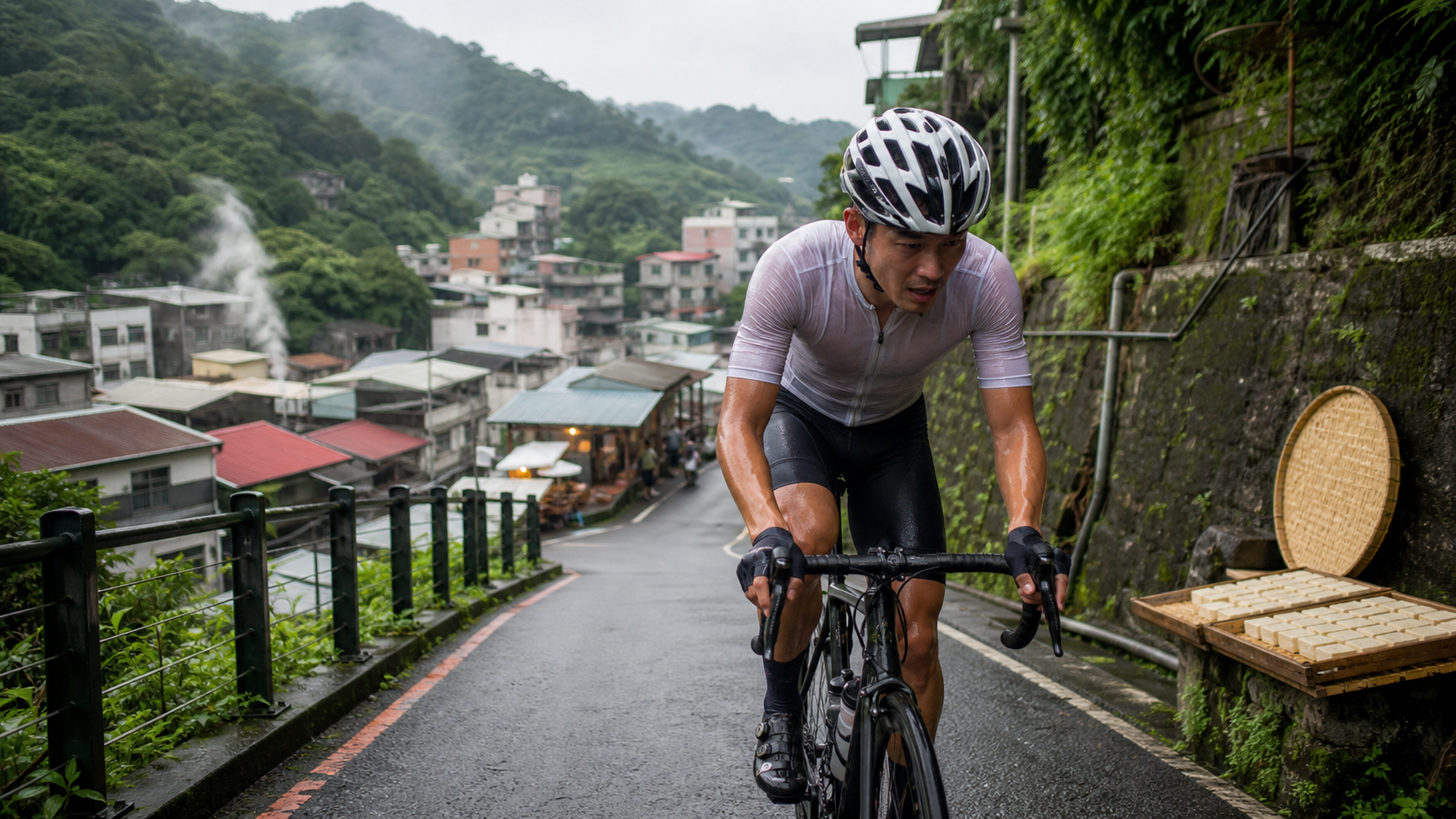
Two and a Half Kilometers of Tofu and Sweat: Shennan Road, a Taste Memory Hidden in the Hills Behind the Old Street
“Sometimes the shortest road is the one that makes you remember every single breath.”
Shenkeng, a Mountain Town Named After Its Terrain
Shenkeng, formerly known as “Shenkengzi,” tells the story of this place’s geography in its very name—surrounded by mountains on all sides, the terrain forms a deep, bowl-like valley. During the Qing Dynasty, this land belonged to Chuanshan Fortress, and was renamed Wenshan Fortress during the Japanese colonial period. It was first cultivated by the early settler Xu Zongqin, followed by waves of immigrants from Anxi, Fujian, who gradually established a complete farming settlement. Today, Shenkeng District sits at the center of New Taipei City, bordered by Nangang and Wenshan Districts of Taipei City to the north, west, and south, and Shiding District of New Taipei City to the east. Though its area is only 20.58 square kilometers with a population of about 23,000, its proximity to the Taipei metropolitan area, combined with its distinctive tofu industry and old street character, has made it one of the most well-known suburban getaway destinations in northern Taiwan.
The Shennan Road we’re about to savor in detail is precisely a short, high-intensity climbing segment within Shenkeng District. According to Strava segment records, it spans 2,596.5 meters with a total elevation gain of 220.1 meters and an average gradient of 6.5%. This combination of numbers is hardly surprising when viewed within the broader topographical context of the Shenkeng mountain town—Shenkeng itself is a valley embraced by rolling hills, and virtually any road connecting the valley-bottom settlement to the surrounding plateaus cannot avoid gradients. Shennan Road can be said to be the most direct embodiment of this mountain town’s topographical character.
This inherent topographical constraint, to some extent, also shaped the early lifestyle of Shenkeng’s inhabitants. Imagine the early Qing Dynasty settlers arriving to face this valley terrain surrounded by mountains on all sides—to carve out land suitable for farming and dwelling, they inevitably had to wrestle with the steep, hilly landscape first. The exertion today’s riders feel when pushing the pedals up Shennan Road is, in a sense, a dialogue across time and space with the most primitive topographical character of this land. As you gasp for breath on the steep slopes, perhaps you can imagine that two or three hundred years ago, the settlers also conquered these same hills that refused to yield easily, step by step, in their own way.
The Tofu Legend Nurtured by Mountain Spring Water
To understand Shenkeng, one cannot overlook its most famous specialty—tofu. The key to Shenkeng’s development of a renowned tofu industry lies in this land’s complete forest cover and its sweet, clear water quality. In the early years, residents used this excellent groundwater to grind soybeans and make tofu, initially as a household craft shared among family and neighbors. Over time, it gradually developed into a signature local industry. Later, with the successive openings of National Highway No. 3 and National Highway No. 5, travel time between the Taipei metropolitan area and Shenkeng was greatly shortened, attracting large numbers of visitors who came specifically to taste the tofu. The tofu industry has since become an indispensable pillar of Shenkeng’s local economy, and also spurred the subsequent promotion and development of the “Tofu Street Revitalization Project.”
When cycling through downtown Shenkeng, a faint aroma of soybeans occasionally drifts through the air—the distinctive scent of tofu being made fresh in the old street shops. This olfactory memory forms a curious contrast with the sweat-soaked physical sensation of climbing Shennan Road—the former is warm and rustic, the latter intensely burning, yet both authentically belong to the everyday scenery of this land. After conquering Shennan Road, the first thing many cycling enthusiasts do is ride back into town, find a seat at an old street tofu shop, and reward their just-depleted energy with a plate of freshly fried stinky tofu or fried tofu. This ritual of sweetness after bitterness has become an unspoken understanding among local riders.
Tofu making may seem simple, but it is actually a craft that requires patience and accumulated experience. From selecting and soaking the soybeans, to grinding, coagulating, and molding, every step tests the master’s delicate mastery over water quality, temperature, and timing. This almost obsessive insistence on quality bears a striking resemblance, in some ways, to a cyclist’s dedication to pacing, gear ratios, and gradient management—both involve refining one’s unique insights through repeated practice and accumulated experience within seemingly ordinary daily actions. Perhaps it is this shared artisan spirit that allows Shenkeng’s tofu and the climbing challenge of Shennan Road to resonate with each other in this mountain town in some subtle, unexpected way.
This artisan spirit is also reflected in the resilience of Shenkeng’s tofu industry, which has stood firm through changing times. From simple homemade production in the early years, to the scaled-up, branded business models developed in response to tourist influx, Shenkeng’s tofu shops have always sought a delicate balance between traditional craftsmanship and modern commerce. This commitment to keeping pace with the times without losing sight of their roots is worth savoring for every traveler who visits this mountain town.
Traces of Time Beneath the Old Street’s Red Brick Arcades
Shenkeng Old Street is the most iconic tourist core of this area, located along Shenkeng Street. In 2008, the Taipei County Government (predecessor of today’s New Taipei City Government) designated this district as a Historic Preservation Zone, aiming to recreate the splendor of the red brick arcade architecture from the Taisho era of the Japanese colonial period. Walking along the old street, the tightly packed red brick arcade shopfronts on both sides tell of this settlement’s prosperous history as a local commercial center. Today, this street has long been renowned for its high concentration of tofu snack vendors, becoming a regular weekend itinerary for many Taipei metropolitan residents.
Scattered around the old street are several heritage sites and attractions worth visiting, including the city-designated historic buildings Yong’an Residence and Xingshun Residence. These two traditional Min-style buildings are relatively well preserved, bearing witness to the daily lives and architectural craftsmanship of Shenkeng’s early settler families. Additionally, Su Wang Temple serves as the local religious center, while attractions such as Paozilun Waterfall and White Horse General Cave add natural and cultural dimensions, making Shenkeng’s tourism offerings far more diverse than the single impression of “eating tofu.” It is a composite small town encompassing history, faith, and natural scenery. For riders who have finished Shennan Road and still have energy to explore the surroundings, these sites are worthwhile extended options to visit along the way.
The most fascinating aspect of traditional Min-style buildings like Yong’an Residence and Xingshun Residence lies in their construction methods and spatial layouts, which often embody the settlers’ comprehensive considerations of feng shui, family ethics, and defensive needs. Thick rammed-earth walls, meticulously crafted swallowtail ridges, and the layered progression of courtyard configurations—every detail tells the story of a family’s arduous pioneering journey and eventual flourishing. Standing before these century-old buildings, it is hard not to feel a sense of reverence across time for this land of Shenkeng—today we ride lightweight road bikes, wear breathable, moisture-wicking professional cycling kits, and enjoy relatively convenient transportation and resources to challenge these slopes, while in earlier eras, the residents here relied on their own two feet and carrying poles, step by step, to make a living and build their homes on this hilly terrain.
Su Wang Temple, as the local religious core, has long united the spiritual aspirations of Shenkeng’s residents, and the plaza before the temple is frequently used for local festival events. If your itinerary allows, consider stepping into the temple after your ride to experience the atmosphere of this local faith culture. Even for non-believers, the serene and solemn spatial quality can add a moment of spiritual calm to a busy, compact getaway.
A Short Yet Unforgettable Memory of Reaching the Summit
My first attempt at Shennan Road, to be honest, started with a rather dismissive attitude. “It’s only 2.6 kilometers—how hard can it be?” That thought lingered confidently in my mind as I pushed down on the pedals for the first revolution. But within less than a kilometer, my legs began sending clear burning signals, and my breathing shifted from steady to rapid within just a few minutes. The intensity hit far more swiftly and directly than on longer climbing routes.
Shennan Road offers little room for recovery or adaptation; it pushes the body to its limits in an almost brutal, direct manner. Every pedal stroke is accompanied by protesting muscles, and the question “how much farther?” keeps surfacing in the mind. But precisely because the distance is short, this struggle feels unusually concentrated and pure—no prolonged agony of drawn-out suffering, only the dense, explosive pain of a short burst and the rapid relief that follows. At the moment I reached the summit, my heart was nearly pounding out of my chest, and my legs trembled slightly from accumulated lactic acid. Yet that exhilarating sense of “I finally made it” was etched into my memory with remarkable clarity, far more unforgettable than many longer rides that took far more time.
Pausing to catch my breath after stopping, I looked back at the mere two-plus kilometers I had just ridden, hardly believing I had just endured such an intense physical ordeal. This contrast between distance and perceived effort—where the felt intensity is wildly disproportionate to the length—is precisely what makes Shennan Road so addictive. It condenses, in the most economical form, the full emotional arc of a complete climbing challenge: doubt, struggle, persistence, and ultimately, release.
I subsequently challenged this route several more times, and each experience was slightly different. Sometimes the weather was clear and the wind gentle, making the pedaling relatively easier; other times it was a humid, sweltering afternoon, and I was drenched in sweat before even reaching the halfway point, my legs feeling as if they were filled with lead. On one occasion, I deliberately chose to tackle it in the early morning after a light rain, when the moist air carried the scent of earth and vegetation—that sensory experience was especially vivid. These seemingly minor weather differences can make the same 2.6-kilometer route present completely different riding stories. This is perhaps the unique charm of short routes—because they are short enough, every subtle variation is amplified and felt, becoming a distinct memory fragment worth savoring.
On one of those attempts, I encountered a local rider also climbing the slope. After a brief conversation at the summit, I learned he challenged this route several times nearly every week, having long integrated Shennan Road into his daily routine. He said with a smile that although the road is short, it serves as the most honest thermometer for testing his physical condition—if a particular day’s ride felt especially grueling, it usually meant his recent sleep schedule or stress levels were off, signaling it was time to adjust his lifestyle. This life wisdom of internalizing a route as a health-monitoring tool gave me a deeper respect for Shennan Road, this seemingly unremarkable short climb.
The Mountain Town’s Four Seasons and Microclimate
Shenkeng sits in a hilly valley, and the changing seasons manifest in unique ways across this mountain town. In spring, the mountain forests come back to life, and the vegetation along Shennan Road gradually turns green, with occasional wildflowers adding soft touches of color to the climbing route. The mild climate of this season makes it ideal for leisurely challenges and for finely appreciating the terrain’s variations. Summer is Shenkeng’s busiest tourist season. Afternoon thunderstorms frequently arrive without warning, as the valley terrain tends to concentrate convective cloud systems. When riding a high-intensity short climb like Shennan Road, it’s advisable to schedule the ride in the early morning hours—this both avoids the heat and ensures you finish before the afternoon rains arrive.
In autumn, Shenkeng’s weather gradually stabilizes into comfortable, crisp conditions, making it the best season for a short trip combining exercise and gastronomy. After finishing Shennan Road at this time of year, sitting at a shopfront on the old street, ordering a steaming plate of tofu dishes, and letting the cool autumn breeze wash over you—that sense of satisfaction where both body and mind are properly cared for is Shenkeng’s unique way of hosting its guests. In winter, under the influence of the northeast monsoon, Shenkeng’s mountain areas occasionally experience cold, damp rain and fog, which raises both the difficulty and risk of riding. It’s advisable to carefully assess weather conditions before deciding to take on the challenge, or alternatively, to enjoy the mountain town’s winter charm through a leisurely stroll down the old street and sampling hot foods.
Shenkeng’s microclimate has another distinctive feature—because the entire settlement sits in a valley surrounded by hills, localized fog and mist can easily form under certain weather conditions. This is especially true in the early morning: if rain fell the previous night, the likelihood of a thin mist shrouding the valley the next day increases noticeably. While this spectacle adds a touch of mystery to the climbing challenge of Shennan Road, it also means visibility and road surface conditions may be affected, so riders must slow down and stay alert. On one early morning attempt at Shennan Road, I happened to encounter exactly this kind of misty scene. The entire mountain road seemed draped in a hazy veil, and when I looked out from the summit, even the outline of downtown Shenkeng appeared faint and elusive. That visual experience, suspended between reality and dream, became one of the most vivid images from that ride—far more worth remembering than the number on the clock.
Visiting Shenkeng in different seasons also reveals clear differences in tourist crowds on the old street. On weekends during spring and autumn, the old street is often bustling with an endless flow of visitors, and long queues in front of the tofu shops are a common sight. By contrast, on weekdays or rainy days, tourists are noticeably fewer, allowing for a more leisurely stroll through the district and casual conversations with shopkeepers about local stories. If you don’t mind skipping the lively atmosphere, visiting on a weekday might bring you closer to Shenkeng’s authentic character as a real living settlement, rather than just a superficial tourist impression.
From Tofu to Pedals: The Life Philosophy of Shenkeng’s People
What this land of Shenkeng has taught me, perhaps, is not just how to handle a steep climbing segment, but a simple yet resilient attitude toward life. The residents here have made their living from the mountains and water for generations—from the earliest homemade tofu to its later development into a nationally renowned local specialty, this journey itself is filled with stories of persistence and resilience. And Shennan Road, this short yet ferocious climb, echoes this “small but solid” local character in a way—no need for dozens of kilometers of long-distance trekking; a mere two and a half kilometers is enough to make one understand the true meaning of giving it your all and persevering to the end.
Riders who have conquered Shennan Road may find it difficult to put into words the instantaneous sensation of intensity hitting them, but once you’ve experienced it firsthand, you’ll understand why this seemingly unremarkable short climb has accumulated such solid reputation and challenge records in the cycling community. It doesn’t win by length, nor does it seek attention through grand scenery. It relies purely on its honest, ferocious gradient to test, time and again, every rider willing to take it on—and to give, time and again, the most genuine reward to those willing to see it through.
This unpretentious yet solidly powerful character is, to some extent, also reflected in how Shenkeng’s people run their tofu businesses. The shops here have no flashy marketing; they rely on craftsmanship passed down through generations and a commitment to quality to attract wave after wave of food enthusiasts from afar. Shennan Road and Shenkeng tofu—two things that seem completely unrelated—unexpectedly find a shared spiritual connection in the principle of “let results speak, don’t rely on gimmicks.” Perhaps this is why this mountain town of Shenkeng—whether in its terrain, its industries, or its cycling routes—exudes the same down-to-earth, unadorned temperament.
Suggested Side Trip: Exchange Your Sweat for Soy Aroma
After conquering Shennan Road, I strongly recommend extending your trip to Shenkeng Old Street and rewarding yourself with an authentic tofu meal. The old street is lined with numerous shops selling stinky tofu, fried tofu, tofu pudding, and various other soy-based snacks. Actual shop names and menu items may vary depending on the season and each shop’s operating conditions, so it’s best to rely on on-site conditions and the latest information from the shops themselves. Don’t hesitate to ask local residents or other visitors for seasonal recommendations—you’ll often discover the most authentic alleyway delicacies this way.
If you still have time to spare, consider setting aside half a day to visit heritage buildings such as Yong’an Residence and Xingshun Residence, experiencing traces of the lives of Shenkeng’s early settler families, or heading to Paozilun Waterfall to thoroughly wash away the fatigue and sweat accumulated from the climb in the cool, refreshing mist of the mountain forest. This kind of composite itinerary—combining athletic challenge, historical culture, and local cuisine—is precisely the most charming extended value of Shennan Road as a “small but refined” route. A mere two and a half kilometers of climbing can unlock an entire deep and rich mountain town getaway.
For riders living in the Taipei metropolitan area, another major advantage of Shenkeng is its transportation convenience. Whether riding directly from the city or driving with a bike rack, the travel time and cost are relatively manageable, making it ideal for arranging as a half-day or full-day light trip—no need to spend extensive time on round-trip transportation like you would for classic riding routes in central, southern, or eastern Taiwan. This “high return on investment” style of travel is also one of the key reasons Shenkeng has continued to attract cycling enthusiasts and general tourists alike in recent years.
Conclusion: Big Flavors Hidden on a Small Road
Shennan Road—2.6 kilometers, 220 meters of elevation gain, 6.5% average gradient. These numbers may not look as impressive as those classic long climbs spanning ten or twenty kilometers, but it condenses, in the most refined form, a complete and profound riding experience. From the sweat shed on the steep slopes to the soy aroma wafting through the old street, this mountain town of Shenkeng nourishes both a rider’s legs and taste buds in its own unique way.
If you’re also looking for a route that doesn’t take long yet delivers solid satisfaction, and allows you to arrange a food-focused side trip along the way, why not pick a clear day, point your handlebars toward Shenkeng, and experience for yourself this short but far-from-simple Shennan Road. I’m confident that the moment you reach the summit, you too will join the many who have ridden this road in sincerely understanding—some roads, just two and a half kilometers long, are enough to stay with you for a lifetime.
And when you later sit in a tofu shop on the old street, savoring the memory of that breathless intensity on the steep slope while chewing on the smooth, delicate tofu dishes, you might suddenly realize that what this mountain town of Shenkeng truly wants to tell every visitor has never been about how steep the gradient is or how short the time is—but rather that this experience of sweetness after bitterness, of trading sweat for flavor, is the most moving essence of both travel and cycling. May you also find your own profound memory on this short two-and-a-half-kilometer mountain road.
Related Reading
- Shennan Road in Shenkeng: A Practical Guide to the Brutal 2.6km, 220m Climb
- The Taipei Muzha-Shenkeng-Maokong Triangle Route: The Perfect Combination of Suburban Climbs and Coffee Stops
- Riding into Xindian’s Mountains and Waters: The Southern Side of Shitou Mountain, a Climbing Memory Alongside the Xindian River
- Rolling Hills in the Aroma of Coffee: A Cyclist’s Private Memory of the Dongshan Coffee Road
台北闊瀨陡坡 騎旅 / 日本單車雜誌編輯車友臨時加入!/ 髮香才是最強的 / feat. 北迴歸線小隊 / 公路車 CT Yeh
6 個月前
大武山20%魔王陡坡【JJSC南台灣遊騎Day2】!屁股真的要裂開了...凡士林抹滿也沒用?神秘金教堂還有超便宜夜市
3 個月前
單車 一日北高 ( 雙城 ) 肥宅雙人瘋狂行 紀錄片 REACTO
10 年前
#北橫 + #北進武嶺 最硬的員工旅遊 EP1 | #公路車 #拉拉山 | 明池 | 武嶺 | 武陵農場 | 雲海 | Taiwan Cycling Route Wulin
6 年前
新竹羅平 x 天湖部落 大禹嶺級變態陡坡! 4K超高畫質 空拍 | 公路車
5 年前
一定要騎一次!阿里山最深處:里佳部落!單車旅行 | 2800m爬升 | 深度部落體驗:嗨翻晚會、螢火蟲、銀河 | feat. JJSC & 廢物伙伴 | 公路車 CT Yeh
10 個月前
大武山後門26%歡樂陡坡!JJSC南台灣單車行Day2 / 被颱風追著跑 / 公路車 / CT Yeh
2 年前
嘉義布袋&台南北門 / 好美里、井仔腳鹽田 鮮蚵吃到飽 / CT Yeh / 公路車
4 個月前