Stop Treating Sport and Work as Opposites
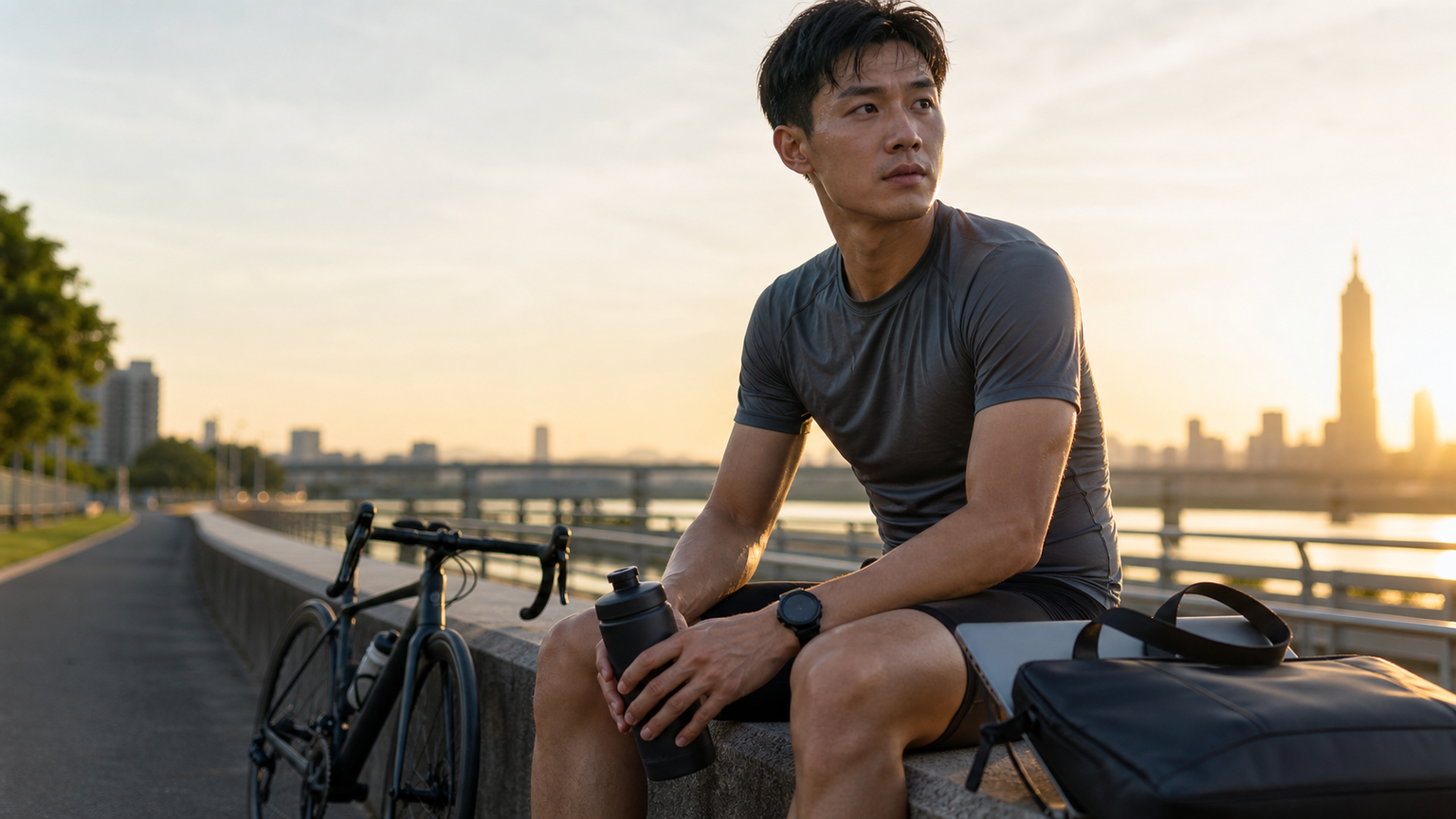
Office workers often agonize over this: does spending time exercising crowd out work and promotions? But more and more high performers who train long-term prove that training is not an opponent of work—it’s an invisible career asset. The question isn’t “should I choose work or sport,” but “how can the two complement each other.”
How Sport Strengthens Work in Reverse
| Traits Gained from Training | Workplace Translation |
|---|---|
| Consistently executing monotonous training plans | Discipline and endurance for long-term projects |
| Pushing through pain without giving up | Stress tolerance, resilience in the face of adversity |
| Adjusting training based on data | Objective review, goal-oriented thinking |
| Regular exercise improving sleep/mood | Focus, emotional stability, decision quality |
Sport trains more than just the body—it builds an entire set of “transferable” mental skills.
Mechanism One: Discipline Transfers
Someone who can complete a training plan on a cold, exhausting morning with no one watching is essentially practicing “delayed gratification” and “being accountable to commitments” over and over. Once internalized, this ability naturally seeps into work: when facing long-term projects with no immediate payoff, you can hold on longer.
Mechanism Two: Stress Tolerance Is Built
Endurance training is essentially “actively and regularly placing yourself in controllable discomfort and learning to coexist with it.” Over time, your brain’s tolerance threshold for “stress and discomfort” rises. In high-pressure workplace moments, while others panic, you can keep functioning relatively well—this isn’t innate; it’s fed by training.
Mechanism Three: Physical Condition Determines Cognitive Ceiling
Sleep, cardiovascular fitness, and emotional stability directly determine your daytime focus, memory, and decision quality. People who don’t exercise long-term and sleep poorly are essentially working with a “discounted brain” every day. Regular exercise is an investment in “cognitive capacity,” not a drain.
Mechanism Four: Exercise Is the Best Outlet for Stress Metabolism
Long-term work stress without an outlet will erode your health and judgment. Regular training provides a physiological channel for stress metabolism, letting you return to work in a “reset” state rather than pushing through with accumulated tension.
How to Design It So Neither Side Suffers
- Fix your training time slots, scheduling them into your calendar like important meetings, rather than “training only when you have time”
- During peak work periods, switch to “maintenance” training (not chasing progress, just keeping the chain unbroken and preserving mental benefits)
- Don’t steal sleep to train—sleep deprivation destroys both training and work
- Make good use of commute training, turning “pure time loss” into “double-output time”
A Reminder for Career-Driven People
In the short term, exercising less and working overtime more may look more dedicated; in the long term, those whose bodies and minds collapse first won’t go far. People who sustain high-pressure careers for twenty years almost all have a pillar that maintains their body and mind—for many, that pillar is sport.
Sport won’t steal your career; it will quietly return your focus, resilience, and judgment in places you can’t see. Truly smart effort isn’t burning your body for results—it’s letting training become the foundation that lets you push harder, for longer.
Related Reading
- An Endurance Sport Life After Retirement: How to Plan Training, Socializing, and Avoid Overtraining When You Have More Time
- The Dilemma of Work and Training: How to Maintain Exercise Habits in Early Mornings, Late Nights, and During Business Trips
- Neural Adaptations in Endurance Sports: How Training Changes the Brain and Nervous System
- Backpacks and Running Shoes: How Teenagers Balance Academics and Athletic Training
西進武嶺 免費訓練分析服務 Intervals | 練不夠還是練過頭?你哪一種類型選手?AI模型告訴你! | 備戰神器 | 公路車 訓練 | CT Yeh
4 年前
一個測試有沒有認真練車的方法😂 #公路車
10 個月前
福隆鐵人團練隨拍
8 年前
全台首發神車錶! iGPSPORT iGS630 兩趟一日北高的續航! 超強導航、功率訓練、超人性APP! Garmin & Bryton 有對手了嗎? | 公路車 |CT Yeh
3 年前
靠單車減肥35公斤 心得分享與整理
7 年前
昇陽SYB車隊 & Fuji 菁英選手們的趣味經驗分享,長知識了!市民車友必看~ 一路被拉爆後才給問 | 戀戀197 武嶺 凸台經驗分享 | 公路車 | CT Yeh
4 年前
多機位拍片神器 DJI Action 2 拍出速度張力感 | 類空拍機視角 4陣列麥克風超強降風噪 實測! | 公路車 | CT Yeh
3 年前
[教學] Premiere 影片 手震 修正 教學 防抖 單眼 影像 GoPro 穩定 Video Stabilization
8 年前