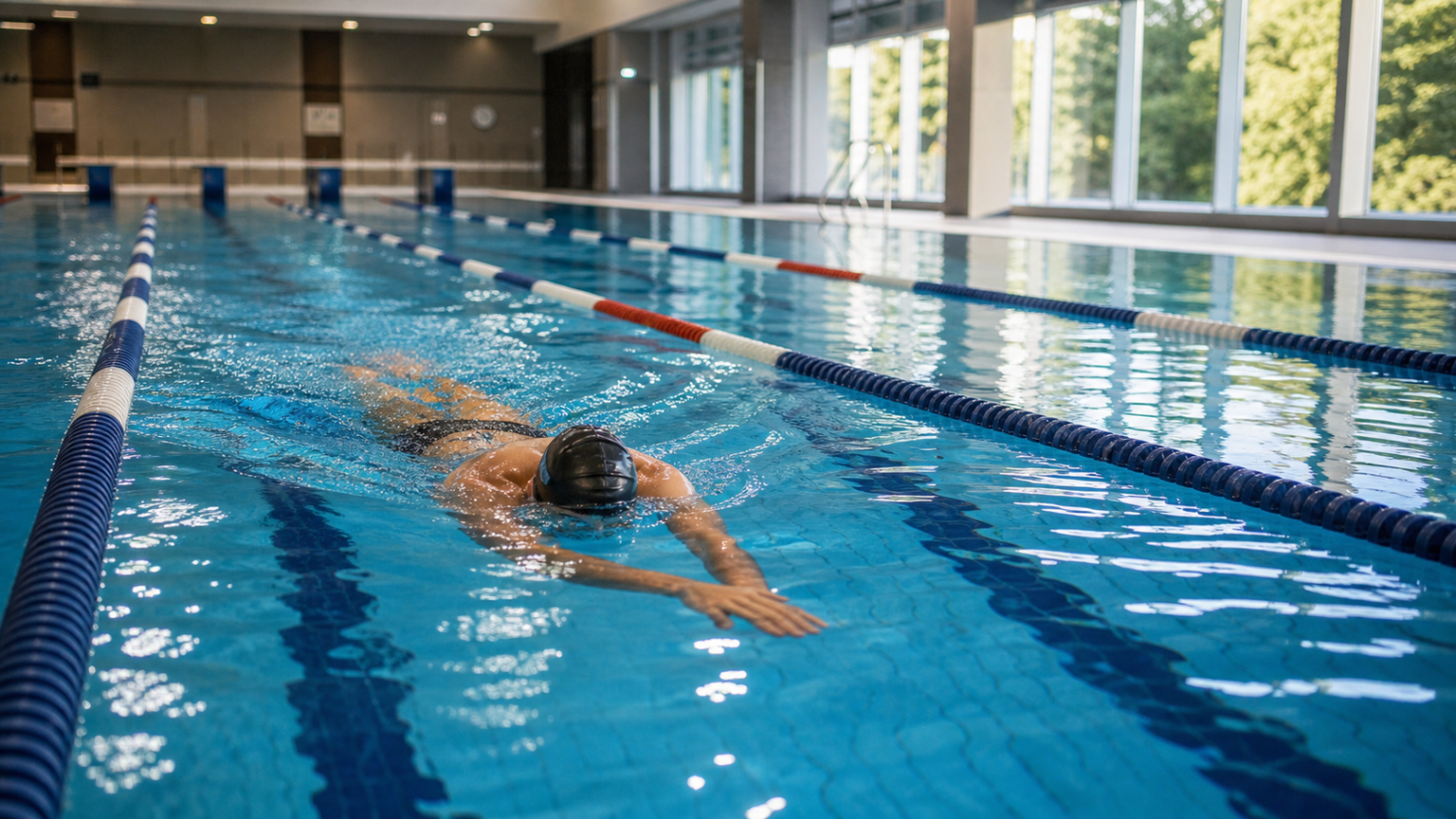
Why You Need a Cool-down
After high-intensity training, the body is in a state of:
- Lactate accumulation: acidic environment in the muscles
- Elevated heart rate: 80-90% of maximum heart rate
- Blood pooled in muscles: difficulty with venous return
- Elevated core temperature: in the process of cooling down
- Nervous system excitation: sympathetic nervous system dominance
Suddenly stopping exercise can cause:
- Delayed lactate metabolism
- Blood pooling in the lower limbs
- Dizziness and lightheadedness
- Increased next-day muscle soreness (DOMS)
- A sudden shift in cardiovascular stress
The cool-down is the bridge that allows the body to transition in an orderly way from high activity back to a recovery state.
The Physiological Significance of the Cool-down
1. Accelerates Lactate Metabolism
Sustained low-intensity activity can:
- Maintain blood circulation to remove lactate
- Speed up lactate oxidation within the muscles
- Reduce lactate by 60% within 30 minutes after high-intensity effort
2. Prevents Blood Pooling
The lower limb muscles are an important “venous pump”:
- During training, muscle contractions help blood return to the heart
- Sudden cessation → blood pools in the lower limbs
- Can easily cause postural hypotension
3. Gradually Lowers Core Temperature
- Body temperature can reach 38.5°C after training
- The cool-down allows core temperature to drop slowly
- Avoids getting chilled after leaving the pool
4. Nervous System Transition
- Shifts from sympathetic (active) to parasympathetic (rest) dominance
- Reduces post-training anxiety
- Improves sleep quality
5. Psychological Recovery
- Processes the day’s training experience
- Stabilises mood
- Boosts motivation for the next day’s session
The Complete Cool-down Protocol
Phase 1: In-Water Cool-down 400-600m (10-15 minutes)
Segment 1: 200m Freestyle + Backstroke Alternation
- Alternate 50m freestyle + 50m backstroke
- Pace: T-pace + 30-40 seconds per 100m
- Heart rate: 60-70%, gradually dropping to 55-65%
- Breathing: bilateral, breathing every 3 strokes
- Focus: completely relaxed, no timing, no pace chasing
Segment 2: 100m Breaststroke or Backstroke
- Slow breaststroke or backstroke
- Pace: very easy
- Focus: relax the shoulders, thoracic spine, and lower back
- Breaststroke is especially helpful for opening the hips and stretching the pectorals
Segment 3: 100m Kickboard
- Backstroke kicking with a board
- Pace: slow
- Focus: relax the legs, mobilise the ankle joints
- The supine position helps venous return from the lower limbs
Phase 2: Static Stretching at Poolside (5-10 minutes)
The body still retains residual heat after the cool-down, making this the ideal time for static stretching.
1. Shoulder and Chest Stretch
- Clasp hands behind the back
- Slowly raise the arms
- Hold for 30 seconds
- Repeat 3 times
2. Rotator Cuff Stretch
- Bring one arm across the chest
- Use the other hand to pull the elbow toward the chest
- Hold for 30 seconds
- 3 times per side
3. Triceps Stretch
- Raise one arm overhead and bend the elbow
- Use the other hand to pull the elbow toward the opposite side
- Hold for 30 seconds
- 3 times per side
4. Pectoral Stretch
- Place the arm against a wall at 90 degrees
- Rotate the body in the opposite direction
- Hold for 30 seconds
- 3 times per side
5. Latissimus Dorsi Stretch
- Grip something high (wall, bar) with both hands
- Sit the hips low and let the body sink
- Hold for 30 seconds
- Repeat 3 times
6. Calf Stretch
- In a lunge position, keep the rear heel flat on the ground
- Hold for 30 seconds
- 3 times per side
7. Hamstring Stretch
- Seated, extend one leg straight and fold forward
- Hold for 30 seconds
- 3 times per side
8. Quadriceps Stretch
- Standing, grab the ankle with one hand and pull it toward the glutes
- Hold for 30 seconds
- 3 times per side
9. Hip Flexor Stretch
- In a lunge position, drop the rear knee to the ground
- Push the pelvis forward
- Hold for 30 seconds
- 3 times per side
Phase 3: Recovery Actions Within 30 Minutes After Leaving the Pool
1. Rehydrate Immediately (within 5 minutes of exiting the pool)
- 500ml of an electrolyte drink
- Avoid ice-cold drinks
- Drink slowly
2. Refuel (the 30-minute golden window)
- 20-30g protein (for muscle recovery)
- 60-90g carbohydrates (to replenish glycogen)
- A ratio of roughly 1:3
Suggested foods:
- Protein shake + banana
- Chicken sandwich
- Tuna rice ball + soy milk
- Greek yoghurt + honey + nuts
3. Rinse and Shower
- Rinse with warm water (avoid hot water)
- Clean off the chlorine thoroughly
- Gently massage the muscles while rinsing
4. Change Clothes and Stay Warm
- Change into dry clothes immediately
- Avoid cold drafts
- In winter, add a scarf to keep the neck warm
Adjusting the Cool-down for Different Training Types
After High-Intensity Interval Training
- Extend the cool-down to 600-800m
- Lactate accumulation is most severe and needs longer to metabolise
- Static stretching can be extended to 15 minutes
After Long-Distance Aerobic Work
- A 400m cool-down is sufficient
- Focus on stretching
- Refuelling is more important
After a Technique Session
- A 200m cool-down is enough
- The main set wasn’t very taxing anyway
- Keep stretching brief
After a Race
- The cool-down is especially important after racing
- At least 600m
- Prevents severe soreness the next day
- Affects performance in subsequent races
Common Cool-down Mistakes
Mistake 1: Leaving the Pool Immediately
The most common mistake. Reasons:
- The training session was already long
- Want to get home quickly
- Think “it’s not necessary”
Consequences:
- Severe soreness the next day
- Affects the quality of the next training session
- Unnecessary cardiovascular strain
Mistake 2: Cool-down Intensity Too High
- Heart rate should not exceed 60-70%
- Should not feel “tired”
- It is not “a few more sets”
Mistake 3: Overdoing Static Stretching
- Stretch only to mild tension
- It should not hurt
- No ballistic bouncing
- Enter and exit the stretch slowly
Mistake 4: Cold or Hot Water Immediately After the Cool-down
- Do not jump into an ice bath immediately
- Do not take a hot bath immediately
- Change temperature gradually
Advanced Recovery Strategies
After completing the cool-down, amateur to competitive swimmers can add:
1. Cold Water Immersion (10-15°C, 10-15 minutes)
- After high-intensity training
- Reduces muscle inflammation
- But do not use daily (it can suppress muscle adaptation)
- 2-3 times per week is sufficient
2. Foam Rolling (10-15 minutes)
- Front and back of the thighs
- Latissimus dorsi
- Calves
- Roll slowly, pausing on tender points
3. Compression Socks
- Wear for 2-4 hours after training
- Promotes venous return from the lower limbs
- Especially effective after long-distance work
4. Active Recovery Day
- Do low-intensity activity the next day
- A 30-minute easy swim or a walk
- More effective for recovery than complete rest
The Long-Term Impact of the Cool-down on Training Performance
Research shows that swimmers who consistently perform a cool-down:
- Experience 30-40% less DOMS the next day
- Maintain consistent performance on consecutive high-intensity days
- Have a 20-25% lower injury rate
- Maintain better training motivation
- Progress faster in the long run
Cool-down Needs for Children
Young swimmers:
- Still need a cool-down, but it can be shortened
- 200-300m is sufficient
- Don’t force static stretching
- Focus on building the habit
Conclusion: The Cool-down Is Part of Training
Amateur swimmers are the most likely to skip the cool-down, yet it is the key that separates long-term progress from short-term burnout.
The next time your main set ends, don’t leave the pool immediately. Swim another 400m, stretch for another 10 minutes—this 20-minute investment pays back in next-day training quality and years of training longevity.
Related Reading
- Swimming Warm-up 400m Standard Protocol: The Essential Ritual Before Every Session
- Swimming Cool-down and Recovery Sets: The Unmissable Recovery Component After Training
- Warm-up and Cool-down for Swimmers: The Pre- and Post-Session Protocol to Maximise Training Results
- Cooling Down After Speed Work: A Recovery Protocol of Static Stretching and a 10-Minute Jog
2016/05/13 單車 冷水坑下滑
10 年前
滑雪新手們慘摔學習全紀錄(請開字幕),滑雪好好玩 | Snowboard + Ski | 岩原 スキー場 | 滑雪APP使用 | GoPro Max
6 年前
西進武嶺 免費訓練分析服務 Intervals | 練不夠還是練過頭?你哪一種類型選手?AI模型告訴你! | 備戰神器 | 公路車 訓練 | CT Yeh
4 年前
實景訓練台) 彰化經典百K 高強度喵團 90分鐘 跟著一起練功 2019 Indoor workout Changhua Classic 100 Taiwan
7 年前
教學) 如何做出專業 慢動作 影片 Slow Motion 120fps GoPro 7 ActionCam AX700 A99II
7 年前
靠單車減肥35公斤 心得分享與整理
7 年前
Garmin Edge 1040 重大韌體更新!! / 1050功能全下放!? / 坡度反應變快了嗎?/ 快速對比實測 / 公路車 / CT Yeh
1 年前
4K 東眼山 x 水蜜桃冰沙 百人單車約騎! 操完再吃冰 多爽快
7 年前