Training Hard but Eating Wrong Is Training in Vain
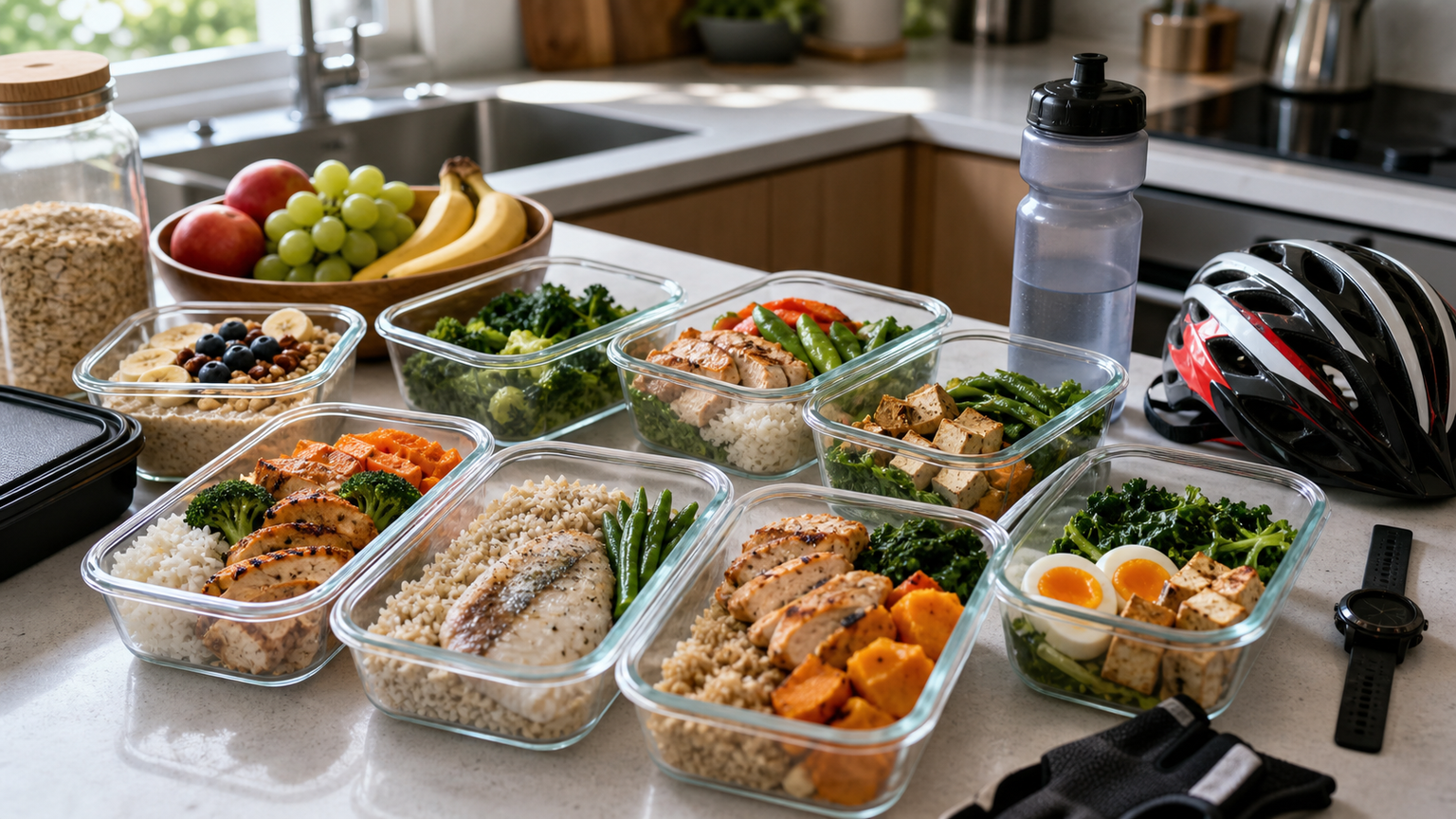
A high-training-volume body is like a high-output engine. If you don’t eat enough or eat the wrong things, you’ll see poor recovery, muscle loss, a weakened immune system, and stalled progress. But cooking fresh every day isn’t practical, and eating out makes it hard to control portions. The solution is “weekly meal prep”—turning nutrition into a system rather than relying on willpower at every meal.
The Three Pillars of an Athlete’s Diet
| Nutrient | Role | Meal Prep Approach |
|---|---|---|
| Carbohydrates | Primary training fuel, glycogen replenishment | Batch-cook (rice, sweet potatoes, oats), adjust portions based on training load |
| Protein | Repair and adaptation, muscle preservation | Distribute across every meal, rotate chicken breast/fish/eggs/soy products |
| Fats and produce | Hormones, anti-inflammation, micronutrients | Healthy oils plus plenty of dark-colored vegetables; don’t just eat white rice and white meat |
Carbs Aren’t the Enemy—They’re Fuel
The fitness world is often misled by the “low-carb” trend, but for high-training-volume athletes, insufficient carbohydrate intake will directly sabotage training quality and recovery, and burn muscle. When meal prepping, carbs should fluctuate based on “that day’s training load”: prepare more on heavy workout days, moderately reduce on rest days, rather than uniformly cutting them low.
Protein Should Be “Spread Out,” Not “Lumped Together”
Cramming a day’s protein into one meal is less efficient for absorption and muscle protein synthesis than distributing it evenly across three to four meals. When prepping, portion out protein sources (chicken breast, fish, eggs, tofu, Greek yogurt) to ensure every meal includes a serving—this is key to long-term muscle preservation and recovery.
A Practical Weekly Meal Prep Workflow
- One big grocery run per week plus one focused cooking session (about 2 hours)
- Batch-cook staples: brown rice/white rice, sweet potatoes, oats—portion and refrigerate or freeze
- Batch-process protein: boiled/baked chicken breast, marinated eggs, pan-seared fish—portion out
- Vegetables: prep longer-lasting ones first (carrots, broccoli), process leafy greens in batches to avoid spoilage
- Keep sauces separate (pour on top so they don’t get soggy), vary seasonings to avoid palate fatigue
Nutrient Timing Around Training
- Before training: focus on easily digestible carbs, avoid high-fat/high-fiber foods that cause bloating
- After training (the golden window): replenish carbs and protein together to speed up glycogen refill and repair
- The day after a heavy workout: don’t slash calories just because you “didn’t train”—recovery still needs raw materials
Don’t Let Meal Prep Become Another Source of Stress
The purpose of meal prep is to “lower decision-making costs,” not to force yourself into nutritional asceticism. Allow for flexible meals and eating-out days. What matters is “hitting the weekly average,” not perfection at every meal. A system you can sustain is a good system.
Don’t Overlook Hydration and Micronutrients
Heavy training depletes fluids and electrolytes, so drink enough water daily; the vitamins and antioxidants in dark-colored produce are an invisible force for long-term immunity and anti-inflammation.
Training determines how strong you can become; diet determines whether you can “cash in” that training as progress. The best meal prep isn’t the most refined cooking—it’s that boring but effective system that lets you eat enough and eat right, year after year.
Related Reading
- Athlete Meal Prep in Practice: A Complete Guide to Efficiency, Nutritional Balance, Storage, and Variety
- Sample Weekly Menu Design for Athletes: A Complete Practical Guide from Weekly Structure to Training-Day Adjustments
- Quick Cooking for Athletes: 15-Minute Nutritious Meals—Practical Recipes for Eating Right Even When Busy
- Meal Prep Guide for Busy Cyclists: Building a High-Performance Diet in Minimal Time
CT暗黑廚房) 車友必備 宇宙無敵鮮蚵湯 幫助訓練恢復 天然食補 好市多 超肥鮮蚵 破PR
7 年前
西進武嶺 免費訓練分析服務 Intervals | 練不夠還是練過頭?你哪一種類型選手?AI模型告訴你! | 備戰神器 | 公路車 訓練 | CT Yeh
4 年前
一日北高前的高裝檢 | 北高 360 | 挑戰11小時的裝備 | 一日雙塔 | 補給
6 年前
單車 一日北高 ( 雙城 ) 肥宅雙人瘋狂行 紀錄片 REACTO
10 年前
一日北高/長距離團騎 常見問題補充篇 / 組團或跟團的眉角 / 壯車友容易被瘦車友慢性拉爆 / 原來屁股痛可能是這個原因...? / 風場配速法 / 公路車 / CT Yeh
2 年前
一日北高常見問題大集合 | 攻略 | 路線 | 訓練 | 補給 | 自行車 單車 | 一日雙城 | 雙塔 | TWB北高360 | 屁股痛
6 年前
FTL 與 SYB 車隊專訪 西進武嶺 實用攻略分享! 2小時 如何練?!你不知道的眉角!新手準備武嶺必看 EP1 | 實力派女車友 | 精華版 | 公路車 | CTYeh
4 年前
西進武嶺 自製新版AI配速表產生器 x 賽前攻略 抱佛腳! 沒有功率計也可以產生配速表嗎?有什麼其他眉角賽前要注意的呢? | 西進武嶺 / 東進武嶺 KOM 攻略 | 公路車 | CT Yeh
4 年前